/search_thin.svg)

/currency.svg)
/heart.svg)
/user.svg)
/cart.svg)

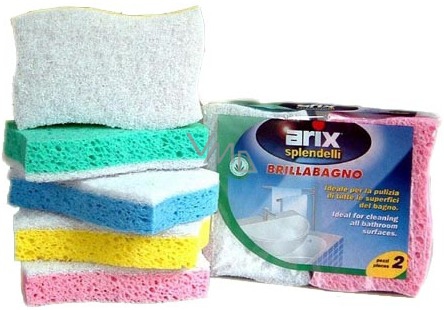
Arix Brillabagno cleaning sponge made of natural cellulose 2 pieces
Code: 73914
Čistící houba ze 100% přírodní celulózy s vrstvou hrubšího vlákna, která nepoškrábe. Ideální pro čišRead more
/heart.svg)
/compare.svg)
Choose a discounted package
Quantity discounts
/envelope.svg)
Query
/bell.svg)
Watch
/share.svg)
Share
PARAMETERS
Producer:
Code:
73914
ean:
8008990005069
Status:
Manufacturer:
Arix Polska Sp.z o.o.
Packaging:
20
Product type:
Natural product
Description Arix Brillabagno cleaning sponge made of natural cellulose 2 pieces
Čistící houba ze 100% přírodní celulózy s vrstvou hrubšího vlákna, která nepoškrábe. Ideální pro čištění veškerých povrchů především v koupelně.
Skvělý pomocník do kuchyně, který zaručí perfektní čistotu vašemu nádobí. Houbička je vyrobena z přírodního, biologicky odbouratelného materiálu. Obsahuje dvě vrstvy: první viskózní utěrka je vhodná na umývání sklenic, porcelánu a skla, je vysoce savá a jemná. Na druhé straně se nachází abrazivní vrstva s drátěnkou, která se postará o zaschlou špínu a připáleniny z vašich hrnců a pánví. Vaše nádobí tak bude dokonale čisté za všech okolností. Ušetřete čas i peníze za zbytečný nákup pomůcek na mytí nádobí a opatřete si tuto jedinečnou houbičku Arix Brillabagno
- Houbička na nádobí složená ze dvou částí
- Na jedné straně se nachází houbička pro šetrné mytí
- Druhá abrazivní vrstva obsahuje drátěnku
- Ergonomický tvar pro pohodlné uchopení
- Vhodná do každé domácnosti
- Své uplatnění najde při každodenním úklidu
- Houbička je složena z přírodních materiálů
Rozměry: 11x6,7x 2,5 cm
balení: 2 kusy
různé barvy
Výhody výrobků z celulózy:
- Tyto produkty z přírodního materiálu jsou 100% biologicky rozložitelné v půdě i vodě.
- Neobsahují žádné chemikálie, alergeny, ani problematické látky pro životní prostředí.
- Výrobky jsou bezpečné, přírodní a pocházejí z obnovitelných surovin, nejsou tak zátěží pro planetu jako ropa, uhlí, těžké kovy atd.
- Produkty z celulozy jsou pevné, odolné vůči teplotám, chuťově neutrální a certifikovány pro použití v potravinářství a hygienicky nezávadné.
| Product type: | Natural product |
Remove the cloth from the pack and use detergent to wash your dishes.
Interesting fact about cellulose in conclusion:
Recently, it has been increasingly added to conventional plastic products, reducing the amount of oil needed to produce the product.
Many eco companies are also adding it to already recycled materials and trying to move more in the direction of green products.
Cellulose is found in all plants on earth and is their building block.
Cellulose is the most abundant biopolymer on Earth and is available in inexhaustible quantities, as millions of tons of this renewable material are produced by plants every year.
It is a sustainable, natural and environmentally friendly material for the production of a wide variety of products.
New products such as bamboo cellulose are even more environmentally friendly than conventional wood pulp.
The cellulose is most often obtained from trees during forest thinning, which allows forests to breathe better and trees to grow. The most environmentally friendly option is FSC-certified thinning - a monitored and controlled method of thinning in harmony with nature and the environment.
The trees are then shredded and the pulp itself is isolated, which is then further processed and pressed into rolls or sheets, or bleached or cleaned.
The rolls or sheets are then further processed according to the use to which they are to be put, for example, trimmed, pressed into moulds or crushed as admixtures.
From this prepared material, it is possible to produce practically anything, from cups for hot drinks, food boxes, packaging, as an admixture for other materials, etc.
review Arix Brillabagno cleaning sponge made of natural cellulose 2 pieces
100%
5 reviews
5
Not rated
Not rated
Not rated
Not rated
Hana C.
Dobře se drží v ruce a zatím je vše na svém místě, neodlupuje se.
Review verified by Heureka
Zuzana F.
dobrá houbička na mytí nádobí
Review verified by Heureka
Dana Š.
Dobře saje.
Review verified by Heureka
Verified customer
Koupila jsem si houbičky do zásoby .Zatím je nemám vyzkoušené.
Review verified by Heureka
Verified customer
Super na umývadla, vanu apod. Na nádobí nic moc
Review verified by Heureka