


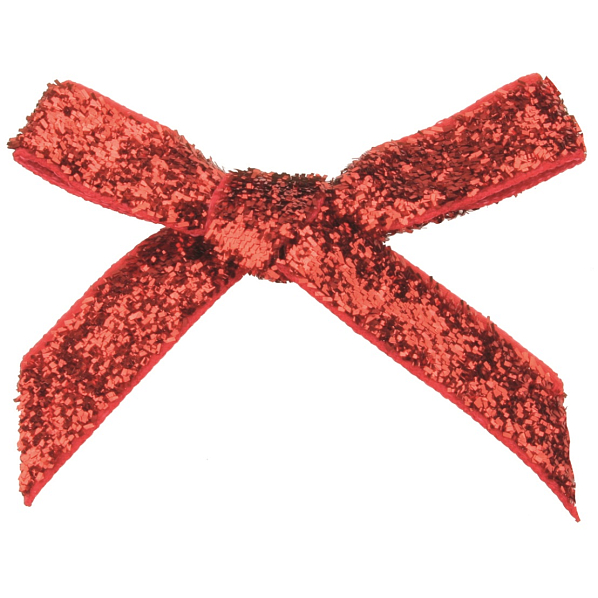
Product description Velvet Bow Narrow Red Sparkling 8 cm 12 pieces
| Manufacturer | Made in PCR |
| Color | Red |
| Packaging | 12 |
Velvet Bow Narrow
- red
- sparkling
- 8 cm
- 12 pieces
Christmas trees had a protective function. Decorated branches were also given by carolers. According to tradition and also based on the first mention, the tree was also hung above the Christmas Eve table, but upside down.
The tradition of decorating the tree, as we know it today, comes from German cities. Initially, it was not decorated with candles. One of the first reports of a decorated lit tree in a room is in the Bremen Chronicle from 1570. Initially, we would find it in guild and artisan houses. It began to penetrate into private spaces only in the mid-17th century. It left the German environment in the 19th century. It first took hold in cities, then in rural areas, mostly being adopted earlier by Protestants than by Catholics.
The Catholic Church initially considered decorating trees to be a pagan custom. In many ways, it was right. Germanic tribes supposedly used to honor the god Wotan at the winter solstice in this manner. Similarly, the Celts honored the sun god with decorated trees or branches.


