/search_thin.svg)
/currency.svg)
/heart.svg)
/user.svg)
/cart.svg)

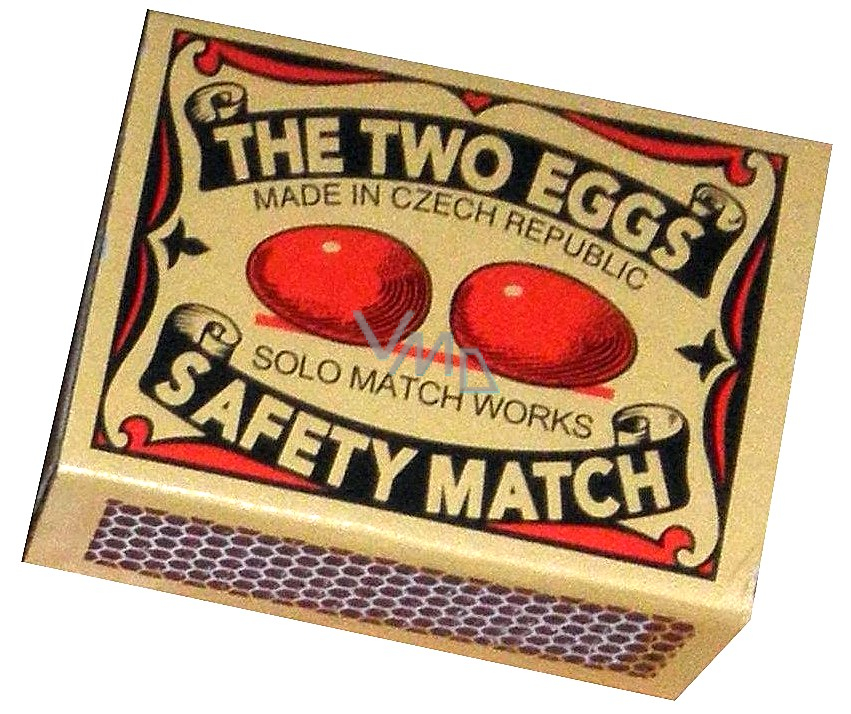
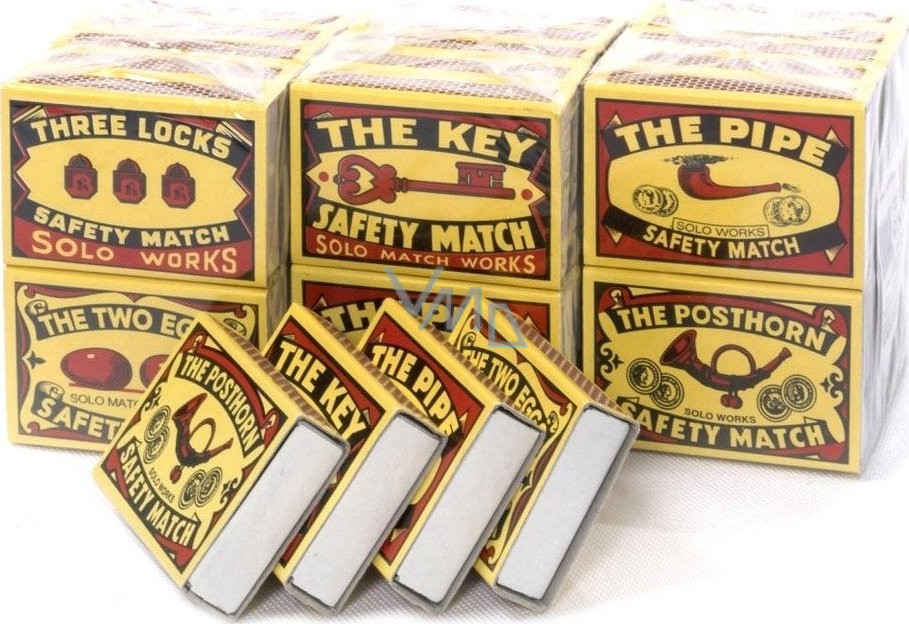
Solo Matches in a box of 38 pieces 1 pack
Code: 58890100%
1 review
VYPRODÁNO
Date and method of delivery

V krabičce 38 kusů zápalek - sirek. Read more
Choose a discounted package
Quantity discounts
/envelope.svg)
Query
/bell.svg)
Watch
/share.svg)
Share
PARAMETERS
Producer:
Code:
58890
ean:
8595025701374
Status:
Manufacturer:
Solo Matches & Flames, Inc. Czech Republic
Packaging:
10/100/1000k
Species:
matches
Description Solo Matches in a box of 38 pieces 1 pack
- V krabičce 38 kusů zápalek - sirek.
| Species: | matches |
Matches (also known as safety matches) are elongated pieces of wood, for example. aspen, spruce, or poplar, less commonly from cardboard with an ignitable substance on one of its ends, used for starting a fire. The sticks are further partially or completely saturated with a substance that facilitates burning. The flammable substance at the end of the stick, known asheader, catches due to friction.
Ignite at a safe distance from the body.
To start a fire, our Stone Age ancestors used two suitable sticks, which were rubbed together for so long until the friction surfaces reached a sufficient temperature.
Then they added tinder to it and kindled the fire by blowing. This system is still used by primitive nations today. Later, people managed to develop a flintlock, where the struck spark ignited the tinder. Then people invented chemical lighters and matches.- Currently, most matches ignite exclusively as a result of a sufficiently energetic strike of the head against a specially prepared surface - the striker.
- This solution practically eliminates the spontaneous or uncontrolled ignition of the match by accidental friction against another surface.
- Before that, phosphorus matches were used for a long time, which ignited when struck energetically against any dry and rough surface (e.g. about the shoe sole).
The match head now consists mainly of potassium chlorate, antimony sulfide, sulfur, dye, and ground glass, which gives the head roughness to increase friction. Matchsticks are saturated with liquid paraffin, which facilitates burning, and sodium phosphate, which prevents the match from smoldering after the flame is extinguished. The striking surface contains red phosphorus, ground glass, and a binder. Striking a match against the striking surface generates a temperature of about 200 - 1100 °C at the contact point, which is sufficient to ignite the match head and subsequently the stick. This type is called safety matches.
They were invented in 1848 by the Frankfurt professor of chemistry Rudolph Christian Boettger (1806-1861).
There was no interest in the invention in Germany, so the Swedes bought it. The Swede Johan Edward Lundström improved matches, equipped them with a sliding box, and began industrial production in 1855. At the turn of the 19th a 20. century, the heads were made of a material that contained toxic white phosphorus or phosphorus sulfide. White phosphorus was banned for match production in 1903.review Solo Matches in a box of 38 pieces 1 pack
100%
1 review
1
Not rated
Not rated
Not rated
Not rated
Verified customer
Review verified by Heureka
Related products
AKCE


Code:
2505497
1.86 EUR
In stock
/heart.svg) Favorite
Favorite/compare.svg) Compare
CompareUniversal lighter with a flexible neck. Piezo refillable lighter with a child safety lock.
AKCE
Code:
2505496
1.62 EUR
In stock
FavoriteCompareCompact yet large. Refillable piezo lighter with a child safety lock.

Code:
2309328
1.40 EUR
0.03EUR/1ks
In stock
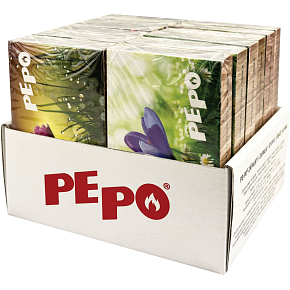
FavoriteCompareLong PE-PO matches, 95 mm long, are ideal for safe and convenient lighting of fireplaces, stoves, grills, candles, or fires.

Code:
04511
100%
2.04 EUR
25.5EUR/1l
In stock
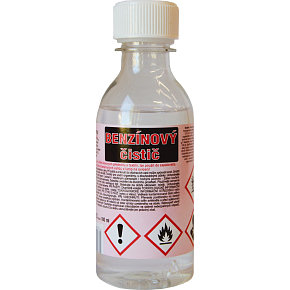
FavoriteCompareIt is designed for cleaning metal objects and textiles, and can be used in lighters. Do not use as fuel for stoves and pressure lamps!
AKCE
Firestarter Solo wooden match, 20 fire starters
Code:
2506376
1.13 EUR
0.06EUR/1ks
In stock
FavoriteCompareWooden fire starter with a striker. Average burning time 8 – 10 minutes.
AKCE
Code:
1809013
80%
0.24 EUR
0.01EUR/1ks
In stock
FavoriteCompareLarger household safety matches measuring 55 mm suitable for everyday use.
AKCE
Code:
2106433
100%
1.93 EUR
In stock
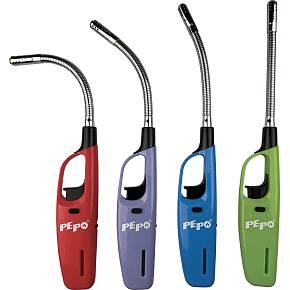
FavoriteCompareRefillable flexi lighter with adjustable flame height and TURBO function – windproof flame. Suitable for lighting primarily outdoor grills, fire pits, etc.
AKCE
Code:
2506707
1.48 EUR
In stock
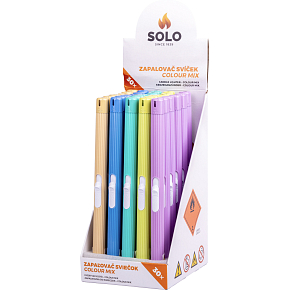
FavoriteCompareThe solo candle lighter is a practical and safe tool designed for lighting candles, gas appliances, garden grills, fireplaces, and stoves.
Code:
61902
100%
3.84 EUR
5.49EUR/1l
In stock
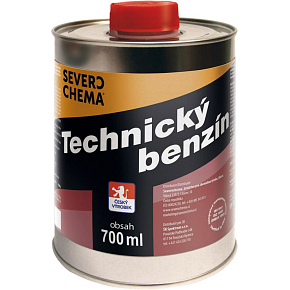
FavoriteCompareThe product is intended for cleaning metal objects and textiles and for degreasing.

Code:
2501750
0.04 EUR
In stock
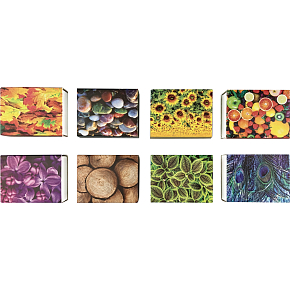
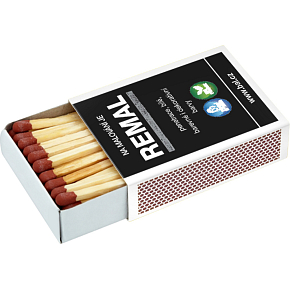
FavoriteCompareMatches, also known as wooden matches, are elongated pieces of wood with an ignitable substance at the end of the stick, which ignites due to friction. Matches featuring the design BARVY A LAKY HOSTIVAŘ.
AKCE
Code:
2304865
0.28 EUR
0.01EUR/1ks
In stock
FavoriteComparePocket matches, raster striker, packaging of 36 boxes. Average content of matches 100 pcs in a box. Length of match 55 mm.
Code:
2505435
1.83 EUR
6.1EUR/1l
In stock
FavoriteCompareUniversal butane refill for refilling lighters.
Variants of this product
AKCE
Code:
2506707
1.48 EUR
In stock
FavoriteCompareThe solo candle lighter is a practical and safe tool designed for lighting candles, gas appliances, garden grills, fireplaces, and stoves.
AKCE
Code:
2505442
1.48 EUR
0.05EUR/1ks
In stock
FavoriteCompareClassic solid fire starter based on petroleum. Average burning time 10 – 12 minutes.
Code:
2505441
8.41 EUR
0.08EUR/1ks
In stock
FavoriteCompare100 pieces of wooden rolls with paraffin in a practical mini pack. Average burning time 10 – 12 minutes.
Code:
2600335
0.95 EUR
0.08EUR/1ks
In stock
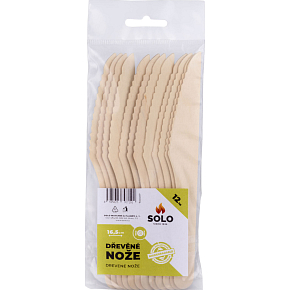
FavoriteCompareA healthy alternative to traditional plastic or metal cutlery. Disposable compostable knives made from 100% organic BIO bamboo, biologically degradable / decomposable in nature.
AKCE
Code:
2505444
1.30 EUR
0.13EUR/1ks
In stock
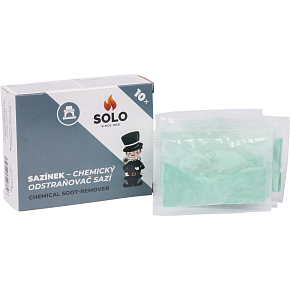
FavoriteCompareChemically removes dirt and deposits from the flue gas paths of stoves, fireplaces, and ovens.
AKCE
Code:
2506372
0.28 EUR
In stock
FavoriteCompareRefillable PIEZO lighter with child safety lock.
AKCE
Code:
2506392
4.12 EUR
In stock
FavoriteCompareFuel for bio-fireplaces and fondue,
AKCE
Code:
2304865
0.28 EUR
0.01EUR/1ks
In stock
FavoriteComparePocket matches, raster striker, packaging of 36 boxes. Average content of matches 100 pcs in a box. Length of match 55 mm.
Code:
2506388
1.37 EUR
0.14EUR/1ks
In stock
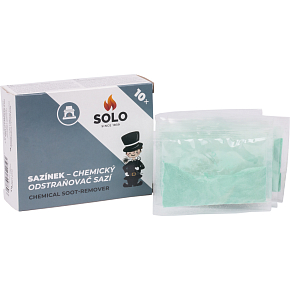
FavoriteCompareIt removes dirt and deposits from the flue paths of stoves, fireplaces, and furnaces through a chemical process.
AKCE
Code:
2505496
1.62 EUR
In stock
FavoriteCompareCompact yet large. Refillable piezo lighter with a child safety lock.
AKCE
Code:
2506386
5.59 EUR
In stock
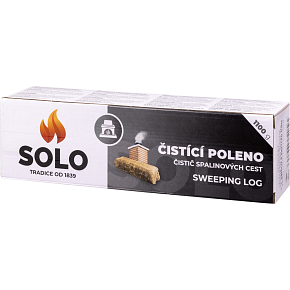
FavoriteCompareIt removes dirt and deposits from the flue paths of stoves, fireplaces, and ovens through a chemical process.
Code:
2505433
0.45 EUR
In stock
FavoriteCompareClassic stone non-refillable lighter, this package contains 50 pieces of lighters.
Recently visited products