/search_thin.svg)

/currency.svg)
/heart.svg)
/user.svg)
/cart.svg)

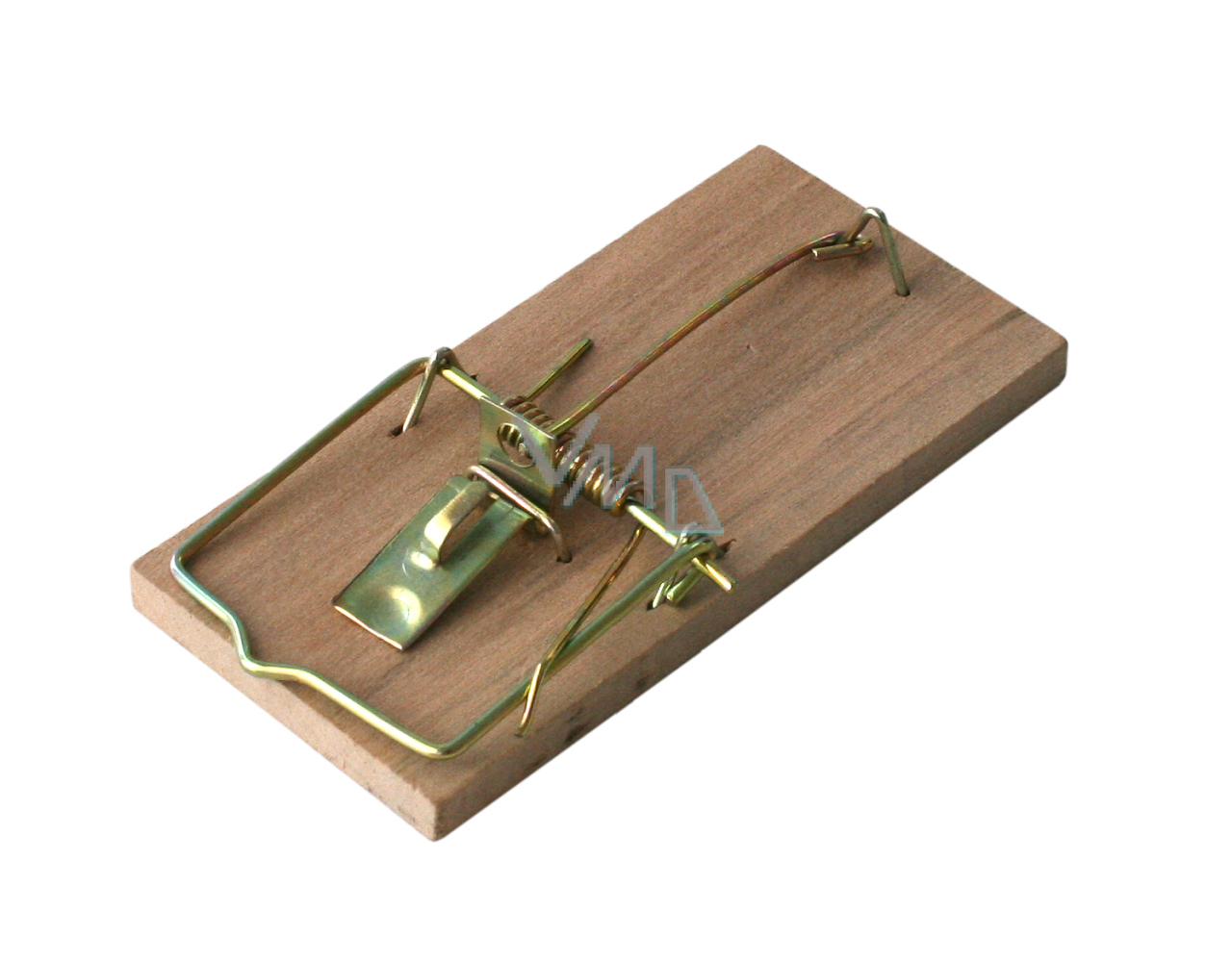
Bros Wooden Mousetrap 45 mm x 100 mm
Code: 59793
Klasická dřevěná pastička na myši. Návnada se napíchne na vyčnívající kousek plíšku, natáhne se pružRead more
Choose a discounted package
Quantity discounts
/envelope.svg)
Query
/bell.svg)
Watch
/share.svg)
Share
PARAMETERS
Description Bros Wooden Mousetrap 45 mm x 100 mm
Klasická dřevěná pastička na myši. Návnada se napíchne na vyčnívající kousek plíšku, natáhne se pružina a zajistí se drátem. Past umístěte v místě výskytu hlodavců, ale mimo dosah dětí a domácích zvířat.
- Snadné a rychlé nastavení pasti, stačí vložit návnadu a natáhnout sklápěcí mechanismus.
- Past je drobná, ale má silnou pružinu, která myš rychle a bez zbytečného trápení usmrtí.
- Pastičku lze použít opakovaně, základna z bukového dřeva je odolná.
- Výhodou je nízká přepravní hmotnost pouhých 0,03 kg
- z bukového dřeva
- Rozměry: 45 x 100 mm.
Place a suitable bait in the trap, ideally a piece of bread toasted with bacon or a piece of bacon itself.
Mice will not disdain a nut, even if you live in a strictly vegetarian household.Pull the folding spring mechanism to the farthest position, and while holding it with your finger, carefully rest the support pin into the recess in the bait plate. The less you insert the thorn into the groove, the more sensitively the trap will react. A properly set mousetrap should snap even with a light tap on the table. When handling a wooden trap, you do not need to use gloves; unlike rats, mice are not bothered by the human scent.
Lean the trap against the wall perpendicular to the floor. The mouse, while scurrying around, will run directly into the bait, and the snapping mechanism cannot miss.Regularly check the trap and reset it or replace the bait if necessary.
If you have any pets at home, you can place the set trap in a bait station to keep them from accessing it. The mouse takes the bait station as a hiding place where it feels safe.
Set traps in the late afternoon or evening. The mouse is a nocturnal animal, so you increase the chances of success if you set the trap before nightfall. In the dark, you might unnecessarily disturb the mouse.
Set the trap in places where mice are likely to appear. Place them along the walls where the mice most frequently scurry. They avoid open spaces and do not like to run across them. They usually emerge through cracks in the walls and floors.
You should place traps where mice might be searching for food sources. So not under the bed, but rather in the pantry or the kitchen. A suitable place to set traps can be traced by the tracks in the dust on the floor or by mouse droppings.
- Attention, never handle dead mice with bare hands. They can be carriers of diseases and infections. If you don't have gloves, use a plastic bag to catch the dead mouse.
review Bros Wooden Mousetrap 45 mm x 100 mm
80%
1 review
Not rated
1
Not rated
Not rated
Not rated
Verified customer
Review verified by Heureka
Related products

Code:
56676
1.77 EUR
In stock
/heart.svg) Favorite
Favorite/compare.svg) Compare
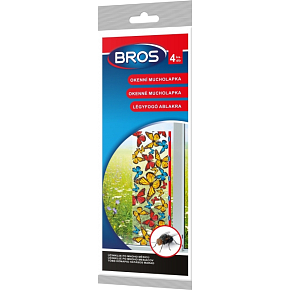
CompareOkenní mucholapka s lepidlem bez obsahu chemických insekticidů.
Code:
63375
3.36 EUR
8.4EUR/1l
In stock
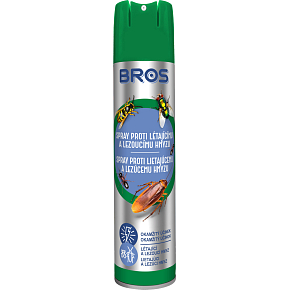
FavoriteCompareAerosol product designed to kill insects: flies, mosquitoes, moths, wasps, and other types of flying and non-flying insects, such as cockroaches, woodlice, and fleas. The product acts immediately upon application.
Code:
56669
100%
2.12 EUR
0.11EUR/1ks
In stock
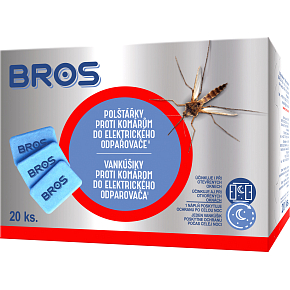
FavoriteCompareThe Bros replacement refill is designed for the electric vaporizer and provides effective protection against mosquitoes, flies, and other flying insects.
Code:
1804146
100%
1.41 EUR
14.1EUR/1kg
In stock
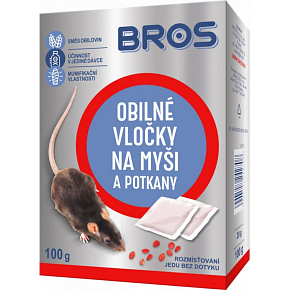
FavoriteCompareBROS oat flakes for mice, rats and vermin is a rodenticide in the form of flakes containing the active substance Bromadiolone, an anticoagulant from the group of hydrosylcoumarin derivatives.
Code:
71004
100%
3.54 EUR
14.16EUR/1kg
In stock
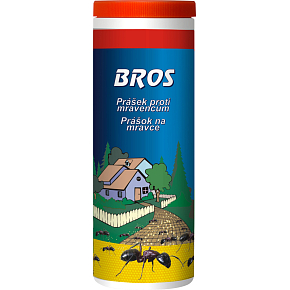
FavoriteComparePowder for ants for indoor spaces and their immediate surroundings: terraces, garages, driveways, paths, gazebos, etc.
Code:
56674
100%
1.95 EUR
19.5EUR/1kg
In stock
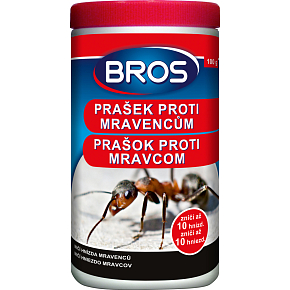
FavoriteCompareAn effective agent designed for the extermination of ants in enclosed spaces as well as in their immediate vicinity, mainly on terraces, in pavilions, on sidewalks, garden paths, and various other invasions, etc.
Code:
70785
100%
2.12 EUR
1.06EUR/1ks
In stock
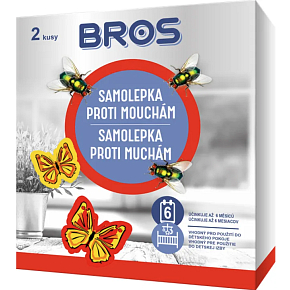
FavoriteCompareA special fly trap designed to be attached to the window. It contains an odorless active ingredient that releases into the air and has a very bitter taste, preventing accidental ingestion.
Code:
79029
3.72 EUR
248EUR/1l
In stock
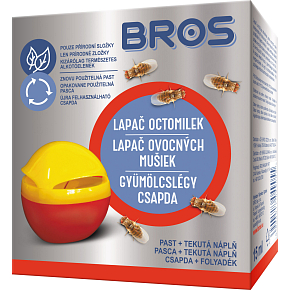
FavoriteCompareTrap for monitoring the presence of the common fruit fly. Insects are attracted into the trap by an attractant and, thanks to the trap's special design, remain inside.
Code:
63982
80%
4.43 EUR
8.86EUR/1kg
In stock
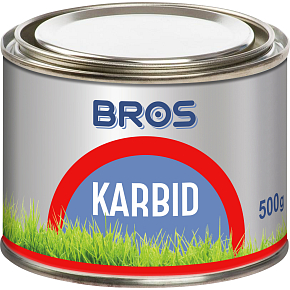
FavoriteCompareBROS KARBID or Calcium Carbide, which varies in color from light purple to brown to dark gray, is used in acetylene lamps.
Code:
1804145
97%
1.77 EUR
17.7EUR/1kg
In stock
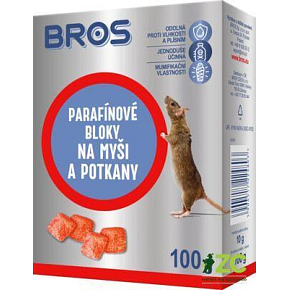
FavoriteCompareRodenticide formulated into a block against mice, rats, and other rodents. The high efficacy of the product is guaranteed by delayed action \/4-5 days after administration\/, which causes the rodents not to associate the administration of the product with the mortality of other individuals.
Code:
79030
100%
1.77 EUR
118EUR/1l
In stock
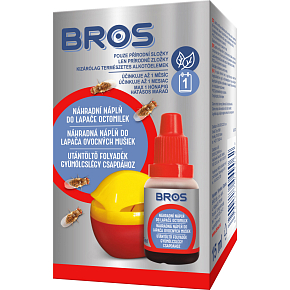
FavoriteCompareLiquid replacement refill for the fruit fly trap.

Code:
59289
98%
2.48 EUR
16.53EUR/1l
In stock
FavoriteCompareBros moth spray is an effective product designed to eliminate clothing moths, their eggs, and larvae.