/search_thin.svg)

/currency.svg)
/heart.svg)
/user.svg)
/cart.svg)

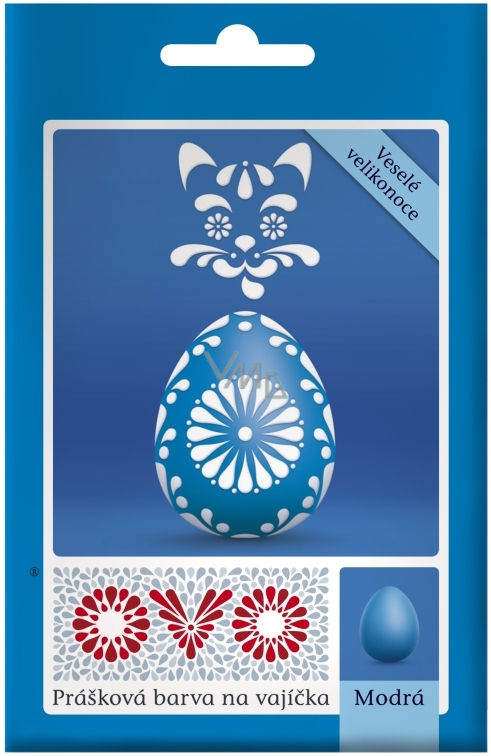
Ovo Blue Powder Dye 1 bag (5 g) = 10 - 15 eggs
Code: 55758In stock
Date and method of delivery
Producer:
Druchema, chemical manufacturing cooperative
:
Druchema Ovo® (web)

Intense food coloring intended for traditional dyeing of Easter eggs, 1 bag = 1 color. Symbol of Read more
Choose a discounted package
Quantity discounts
/envelope.svg)
Query
/bell.svg)
Watch
/share.svg)
Share
PARAMETERS
Producer:
Code:
55758
ean:
8594825003190
Status:
Končící produkty
Manufacturer:
Druchema, chemical manufacturing cooperative
Packaging:
20
Color:
Multicolored
Description Ovo Blue Powder Dye 1 bag (5 g) = 10 - 15 eggs
Intense food coloring intended for traditional dyeing of Easter eggs, 1 bag = 1 color.
Symbol of the egg
The egg contains the embryo of life, thus it is regarded as a symbol of fertility, vitality, the return of spring, safety (due to the shell), and resurrection. In Christianity, the egg is interpreted as a symbol of the closed tomb from which Christ rose, as a symbol of immortality. In connection with folk traditions, the custom of painting these eggs originated.
| Color: | Multicolored |
Dissolve the contents of the bag in 1/3 liter of hot water /approx. 70°C/ with 2-3 tablespoons of vinegar and place clean, degreased, and hard-boiled eggs for 2 - 5 min. Remove the colored eggs and let them dry. For deeper shades of color, use a smaller amount of water; by mixing individual colors, you can achieve different shades. To achieve a glossy finish, rub the egg with fat.
Safe for health. Only for decorative dyeing of eggs. Not intended for alternative use in food. After working, wash your hands and treat your skin with a regenerating cream. For decoration, you can use Ovo transfers.
Dyeing procedure
1. Place the eggs for 2 - 5 min.
2. Remove the colored eggs and let them dry.
Yield: 1 bag (5 g) = 10 - 15 eggs
The typical colors of Easter are yellow, green, red, reddish-brown, brown, and black. All these colors can be obtained from natural sources. At the end of the 19th century, they were replaced by chemical sources.
Dyeing eggs can be done using natural materials:
- yellow color - saffron (stigmas), oat straw, tea, linden flower. An egg bearer who brought home a full basket of yellow eggs had nothing to fear for the future. He had to pay close attention to his sharp tongue.
- yellow-green color - nettles (roots)
- yellow-brown color - from onion skins, tea
- green - Green eggs in a basket promised good health and a lot of work. Such a young man would receive a diligent and sensible girl as his wife, who would turn every penny twice in her hands before spending it.
- dark green color - from spinach, young nettles, parsley
- light green color - linden flower, caraway, or saffron
- red color - from beet juice. An egg bearer who brought home the most red eggs was promised wealth, happiness, and health in the future. It could also indicate that the boy would soon marry and receive a hard-working, smart, and kind wife with a large dowry.
- black color - alder bark, willow (roots)
- purple color - elderberry (dried fruits)
- white color - If the young man had most of the eggs as white as fallen snow, he was waiting for a marriage of pure love, but with a girl as poor as a church mouse.
- blue color - cornflower, blueberry fruits
- herb-wrapped egg - wrap a white egg with small leaves of yarrow, clover, dandelion, place it in a nylon stocking or cloth and wrap it up tightly. Pull firmly at both ends and dip it in dye or decoction. After boiling, unwrap the egg and remove the leaves. Polish the egg with lard for shine.
Related products

Code:
2503129
4.59 EUR
9.18EUR/1kg
In stock
/heart.svg) Favorite
Favorite/compare.svg) Compare
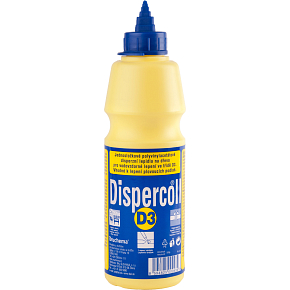
CompareDispercoll D3 is an adhesive for waterproof bonding in class D3 (exterior without permanent contact with water), creating elastic joints with high strength, does not affect the edges of machining tools.
Code:
2502867
8.31 EUR
In stock
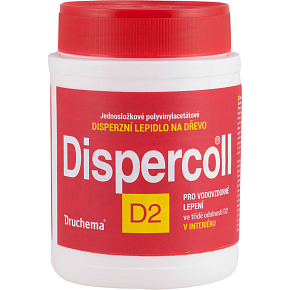
FavoriteCompareUniversal glue for waterproof bonding in durability class D2 (interior) with a favorable open time and drying speed. Used in packaging technology, model making, wood processing, and furniture industries.

Code:
04080
90%
3.71 EUR
30.92EUR/1kg
In stock
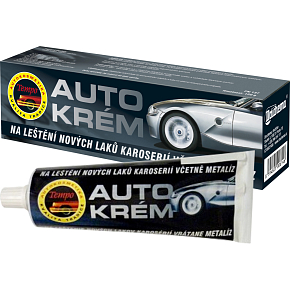
FavoriteCompareNon-abrasive, easily spreadable cream for polishing and preserving paints of car bodies, especially new ones including metallics. Made from natural and synthetic hard waxes that give the treated body a high and durable shine.

Code:
04013
100%
3.53 EUR
7.06EUR/1l
In stock
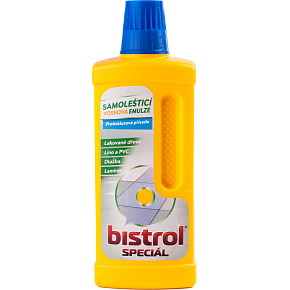
FavoriteCompareBistrol Speciál se používá k leštění a konzervaci nesavých podlahových krytin (guma, PVC, linoleum, dlaždice).
Code:
2206120
3.53 EUR
4.71EUR/1l
In stock
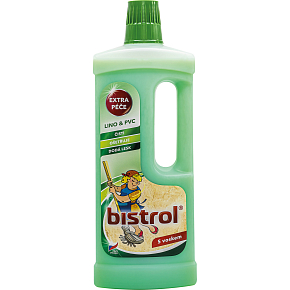
FavoriteCompareCleaning and polishing agent for all types of floors. It has anti-slip effects, dries quickly, and leaves no traces during application. Additionally, it has a pleasant scent.
Code:
53683
86%
4.59 EUR
15.3EUR/1l
In stock
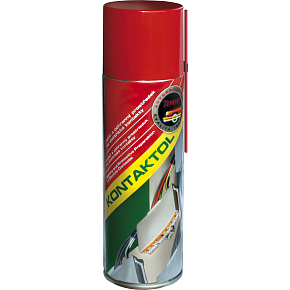
FavoriteCompareFor removing oxidized and sulfide layers from electrical contacts. Suitable for silver and silver-plated contacts as well as for contact materials made of non-ferrous metals, especially on moving contact surfaces.
Code:
54433
90%
3.71 EUR
12.37EUR/1l
In stock
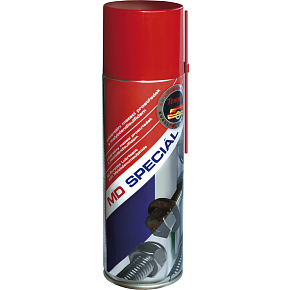
FavoriteCompareMD Special is used for loosening rusted screws and nuts, for lubricating all friction surfaces (door locks, door and window hinges, chains, springs, tools, etc.).
Code:
2206119
100%
3.53 EUR
4.71EUR/1l
In stock
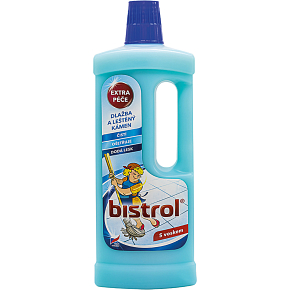
FavoriteCompareA preparation for easy maintenance of tiles and polished stone. Bistrol for tiles leaves no marks, dries quickly, and does not slip. The ecological composition ensures excellent cleaning effectiveness. Added polishing waxes give the floor a wonderful shine as if it were brand new.

Code:
04239
90%
3.71 EUR
7.42EUR/1l
In stock
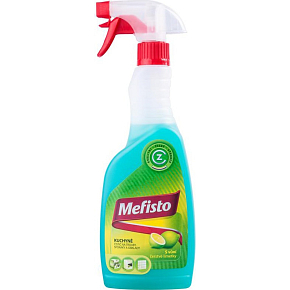
FavoriteCompareMefisto Degreaser for Ovens, Grills and Stoves, Spray. Cleans stainless steel, enamelled or glazed surfaces, such as stoves, ovens, grills, dishes and kitchen tiles. Contains a pleasant fresh lime fragrance.
Code:
2503567
33.06 EUR
8.27EUR/1kg
In stock
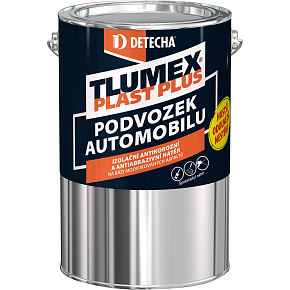
FavoriteCompareHighly durable asphalt anti-corrosion coating with insulating and damping properties. The coating is thixotropic, permanently elastic, and slightly sticky at higher temperatures. It is resistant to water, weather influences, UV radiation, and the effects of all abrasive materials.

Code:
02041
95%
11.53 EUR
11.53EUR/1kg
In stock
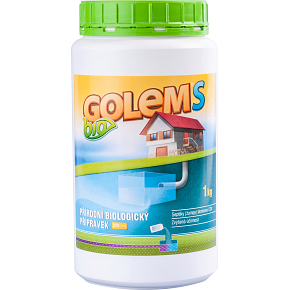
FavoriteCompareBiologically active, safe agent for the breakdown and deodorization of organic matter in dry toilets, waste pits, septic tanks, and household sewage treatment plants.
Code:
2502872
4.42 EUR
4.91EUR/1kg
In stock
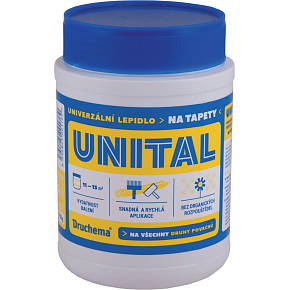
FavoriteCompareUniversal adhesive for sticking wallpaper to plaster, laminboard, varnished surfaces and other objects made of similar materials. Easy application.
Variants of this product

Code:
2600129
0.70 EUR
In stock
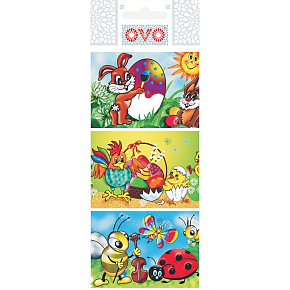
FavoriteCompareShrink film with designs for Easter eggs in the style of traditional Czech illustrations with spring motifs.
Code:
2600134
0.70 EUR
In stock
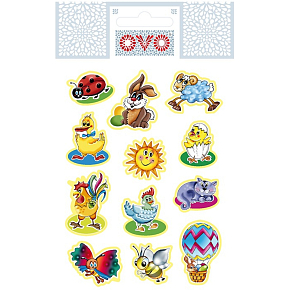
FavoriteCompareEgg transfers with various motifs are a beautiful and traditional technique for decorating Easter eggs.
Code:
2600148
0.70 EUR
In stock
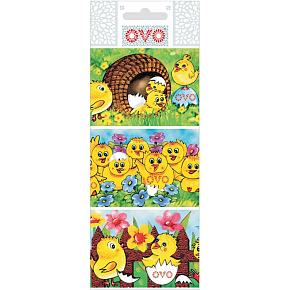
FavoriteCompareShrink film with designs for Easter eggs in the style of traditional Czech pictures with spring motifs.
Code:
2601209
0.70 EUR
In stock
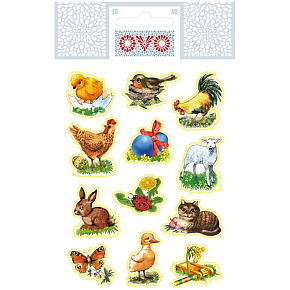
FavoriteCompareEgg transfers with various designs are a beautiful and traditional technique for decorating Easter eggs.
Recently visited products