/search_thin.svg)

/currency.svg)
/heart.svg)
/user.svg)
/cart.svg)

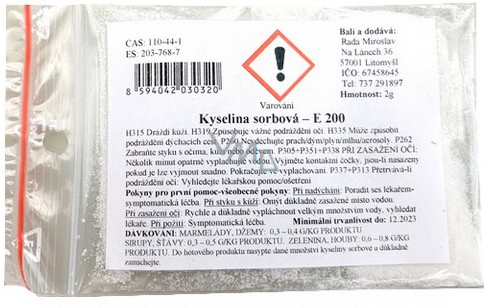
Sorbic acid E 200 for food 2 g
Code: 03686
Pro ovocné marmelády, šťávy, sirupy, džemy, nakládanou zeleninu, houby v octě aj. Používá se zejménRead more
Choose a discounted package
Quantity discounts
/envelope.svg)
Query
/bell.svg)
Watch
/share.svg)
Share
PARAMETERS
Producer:
Code:
03686
ean:
8594187700027
Status:
Končící produkty
Manufacturer:
not specified
Packaging:
100
Health hazard:
Health hazard
Description Sorbic acid E 200 for food 2 g
Pro ovocné marmelády, šťávy, sirupy, džemy, nakládanou zeleninu, houby v octě aj.
Používá se zejména
- V nápojích a sýrech k zabránění rozvoje plísní, kvasinek, bakterií.
- Ve víně může být přeměněna na látku, která dodává vůni po muškátech.
- V pekařských výrobcích, margarínech, balených sýrech, kečupech, čokoládových sirupech, čerstvých ovocných džusech, salátech, koláčích, koláčových náplních, uměle doslazovaných želatinách, apod.
- Má využití v kosmetice jako zvlhčovadlo nebo jako konzervační činidlo, v lécích, zubních pastách, krmivech a v dalších výrobcích.
| Health hazard: | Health hazard |
Dosage
marmalades, jams, jellies 0.3-0.4 g/kg of product
fruit syrups, juices 0.3-0.5 g/kg of product
vegetables, mushrooms in vinegar up to 0.6-0.8 g/kg of product
Pour the specified amount of sorbic acid into the finished product and mix thoroughly.
Sorbic acid prevents the growth of molds, yeasts, and some bacterial cultures that can be found in cheeses, juices, jams, jellies, wine, or dried fruit.
Traditionally, it is added to beverages, ketchups, mayonnaises, margarines, cheeses and other dairy products, bakery semi-finished products and confectionery, meat products, salad dressings and dressings, and pickled vegetables. However, its salts (E 201 – E 203 – sorbates) are more commonly used as additives because sorbic acid is poorly soluble in water.Sorbic acid is easily metabolized in the human body and is considered the least harmful preservative additive.
The same applies to its salts – sorbates. In doses of 5% in food, sorbic acid even caused accelerated growth and extended lifespan in male rats. This was mainly explained by the increased intake of calories, as sorbic acid provides the body with energy and actively strengthens the body against infections.Sorbic acid and its salts are also used as preservatives in cosmetics and pharmaceuticals.
Thanks to this, the effects of these substances on the skin were tested and it was shown that at a concentration of around 1%, they cause mucous membrane irritation and trigger hives in sensitive individuals. In foods, these substances most commonly appear in concentrations between 0.1% and 0.3%.In 1998, the Czech Agriculture and Food Inspection Authority (CAFIA) found sorbic acid in salads (Waldorf, Parisian, and others), in fine pastries, and breads, even though its use in these products is prohibited.
Moreover, sorbic acid must not be added to salads, as it could mask the presence of bacteria that cause food poisoning. In the Czech Republic, the use of sorbic acid is permitted only for selected types of food. Similarly, this is the case in the USA, where sorbic acid is designated as a GRAS substance (Generally recognized as safe, i.e. safe substance not subject to regulation).This is a white powder freely available in nature, for example. in the berries of mountain trees - rowans. It has a mildly pungent smell. Sorbic acid and its salts are the least harmful preservatives of all - they cause the fewest allergies. Its main task in food is to prevent the development of molds, yeasts, and bacteria. Production It is obtained from rowan berries or more often synthetically by chemical means from various compounds - e.g. from acetaldehyde, or from petroleum. Usage: It is mainly used in beverages and cheeses to prevent the development of molds, yeasts, and bacteria. In wine, it can be transformed into a substance that imparts a muscat aroma. It is also used in bakery products, margarines, packaged cheeses, ketchups, chocolate syrups, fresh fruit juices, salads, pies, pie fillings, artificially sweetened gelatins, etc. Furthermore, it is used in cosmetics as a humectant or as a preservative, in medicines, toothpastes, animal feeds, and other products. Side effects No studies have been able to demonstrate the toxicity of sorbic acid. In the human body, a complete metabolic transformation should occur. In sensitive individuals, however, it may cause allergic skin reactions (e.g. hives), especially when this substance comes into contact with the skin through cosmetic products. Additional information The substance has GRAS status (generally recognized as safe) - i.e. that it is considered safe by the American institution FDA. In the Czech Republic, the substance is allowed for limited types of food, while in the USA its use is possible.
Irritates the skin.
Causes serious eye irritation. It may cause respiratory irritation. Do not breathe dust/smoke/gas/mist/aerosols. Avoid contact with eyes, skin, or clothing. In case of contact with eyes, rinse cautiously with water for several minutes. Remove contact lenses, if present and easy to do. Continue rinsing. If eye irritation persists, seek medical advice/attention.First aid instructions-general instructions: in case of inhalation: consult a doctor-symptomatic treatment. In case of skin contact, thoroughly wash the affected area with water. In case of eye contact, rinse immediately and thoroughly with plenty of water and seek medical advice. In case of ingestion, symptomatic treatment.
Nebezpečnost pro zdraví - dráždivé látky
Nebezpečí
Může způsobit podráždění dýchacích cest. Může způsobit ospalost nebo závratě. Může vyvolat alergickou kožní reakci. Způsobuje vážné podráždění očí. Dráždí kůži. Zdraví škodlivý při požití. Zdraví škodlivý při styku s kůží. Zdraví škodlivý při vdechování. Rozkladem ozonu v horních vrstvách atmosféry poškozuje veřejné zdraví a životní prostředí.
Varování. Pokyny pro bezpečné zacházení
Zamezte vdechování prachu/dýmu/plynu/mlhy/par/aerosolů. Používejte pouze venku nebo v dobře větraných prostorách. Při vdechnutí: přeneste postiženého na čerstvý vzduch a ponechte jej v klidu v poloze usnadňující dýchání. Při požití: necítíte-li se dobře, volejte TOXIKOLOGICKÉ INFORMAČNÍ STŘEDISKO nebo lékaře. Používejte ochranné rukavice / ochranný oděv / ochranné brýle / obličejový štít. Při styku s kůží: omyjte velkým množstvím vody a mýdla. Při zasažení očí: několik minut opatrně vyplachujte vodou. Vyjměte kontaktní čočky, jsou-li nasazeny, a pokud je lze vyjmout snadno. Pokračujte ve vyplachování. Při používání tohoto výrobku nejezte, nepijte ani nekuřte. Uchovávejte mimo dosah dětí.
review Sorbic acid E 200 for food 2 g
100%
1 review
1
Not rated
Not rated
Not rated
Not rated
Marcela T.
Review verified by Heureka
Related products
Končící produkty

Code:
55755
0.12 EUR
24EUR/1kg
In stock
/heart.svg) Favorite
Favorite/compare.svg) Compare
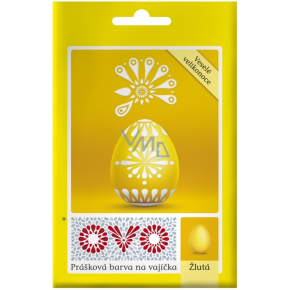
CompareIntense food coloring intended for traditional coloring of Easter eggs, 1 packet = 1 color. Symbo
AKCE

Code:
2600585
0.46 EUR
46EUR/1kg
In stock
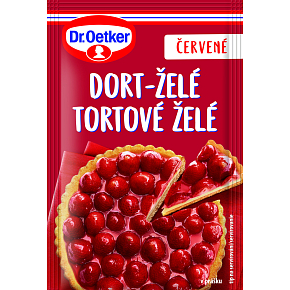
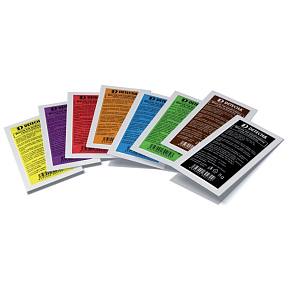
FavoriteCompareAn indispensable aid for fresh fruit cakes that is enough for 250 ml of liquid.
Code:
2601209
0.71 EUR
In stock
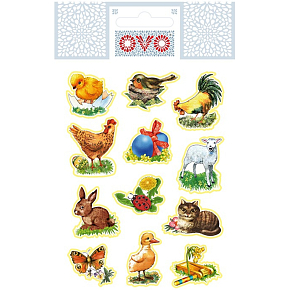
FavoriteCompareEgg transfers with various designs are a beautiful and traditional technique for decorating Easter eggs.

Code:
2501445
0.28 EUR
56EUR/1kg
In stock
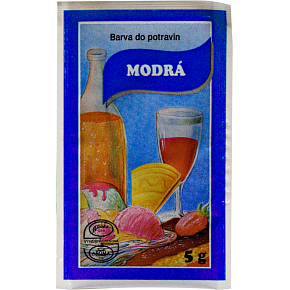
FavoriteCompareAroco food coloring is suitable for coloring your food. It is non-toxic and safe for consumption. Make your meals more colorful and fun. It will color your food blue.

Code:
36216
100%
0.34 EUR
340EUR/1kg
In stock
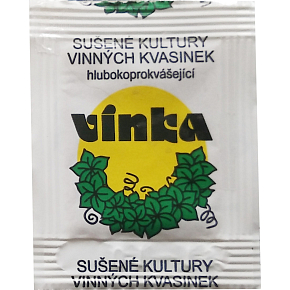
FavoriteCompareThe contents of one packet of yeast are sufficient for fermenting about 5 liters of fruit juice - for making 10 liters of wine. Universal for fruit wines.
Code:
2505930
1.53 EUR
61.2EUR/1kg
In stock
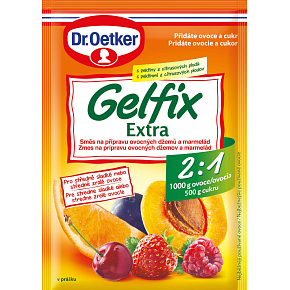
FavoriteCompareThis gelling mixture preserves the natural flavor of the fruit and simultaneously meets modern requirements for healthy nutrition.
AKCE

Code:
2500108
0.56 EUR
5.6EUR/1kg
In stock
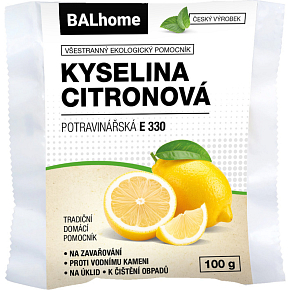
FavoriteCompareA versatile eco-friendly helper. Used as an ingredient for preservation and flavoring fruits, jams, vegetables, beverages, and syrups. Also for removing limescale and stains from clothing.
Končící produkty

Code:
64535
100%
0.39 EUR
78EUR/1kg
In stock
FavoriteCompareIt is used for confectionery products, frozen creams and ice creams, candies, overly sweet fruit, fr
Privos
Code:
2502084
1.14 EUR
114EUR/1kg
In stock
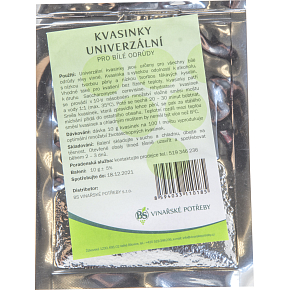
FavoriteCompareUniversal yeasts intended for all white grape varieties. A dose of 10 g of yeast per 100 liters of must produces an optimal amount of viable yeast.

Code:
2602303
0.39 EUR
9.75EUR/1kg
In stock
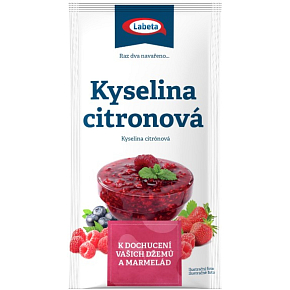
FavoriteCompareLabeta citric acid is suitable for canning, baking, and regular household use.
Code:
2602297
0.38 EUR
15.2EUR/1kg
In stock
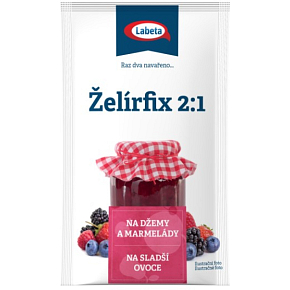
FavoriteCompareLabeta Želírfix 2:1 makes it easier to prepare homemade jams with a lower amount of sugar.
Code:
2602300
1.72 EUR
3.44EUR/1kg
In stock
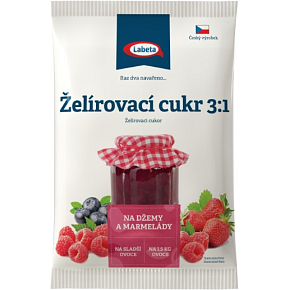
FavoriteCompareLabeta Gelling Sugar 3:1 allows the preparation of jams with a high fruit content and a lower amount of sugar.
Recently visited products