/search_thin.svg)

/currency.svg)
/heart.svg)
/user.svg)
/cart.svg)

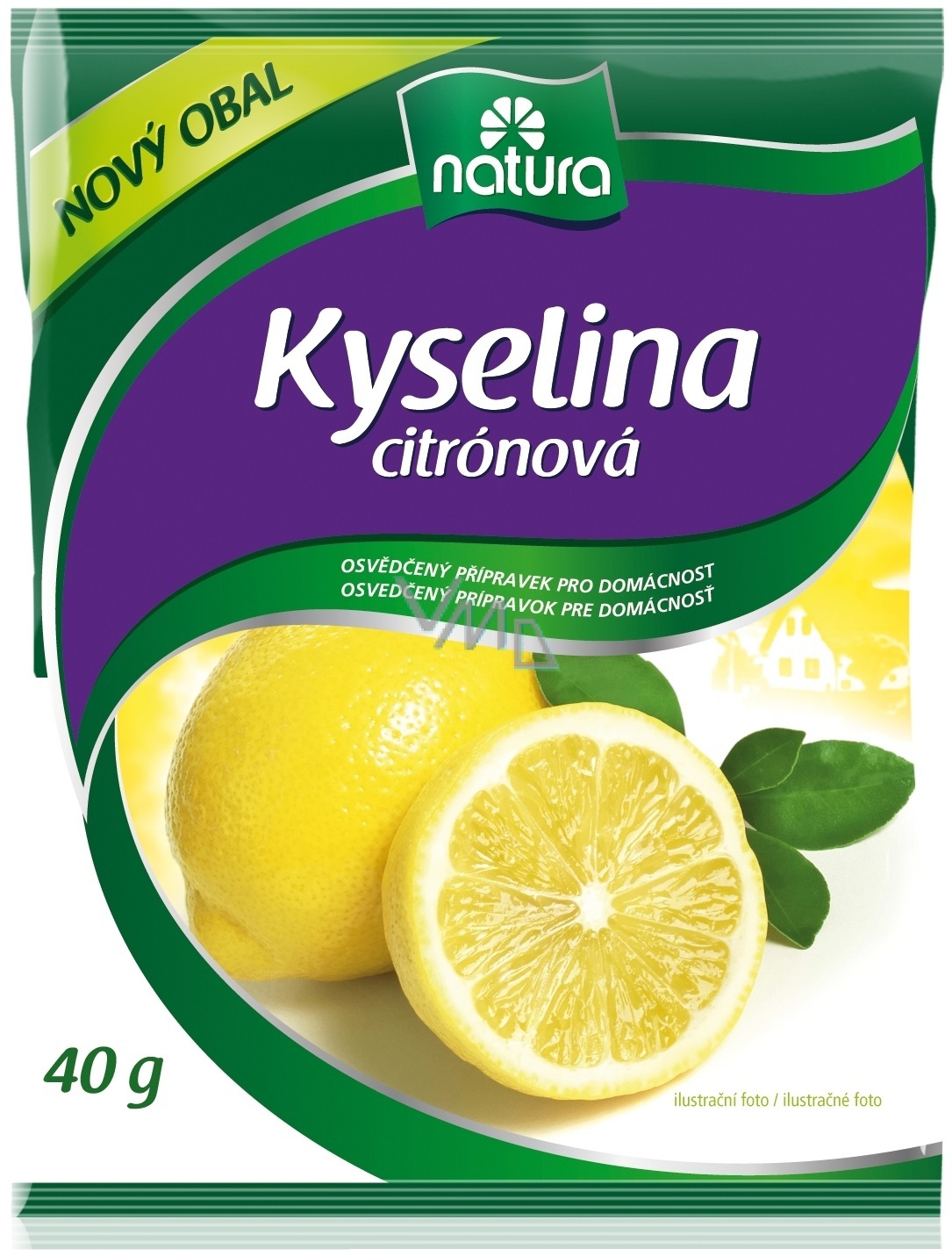
Natura Citric acid for food proven household product 40 g
Code: 03690
Kyselina citronová se používá jako přísada ke konzervaci a ochucení ovoce, džemů, marmelád, sirupů, Read more
Choose a discounted package
Quantity discounts
/envelope.svg)
Query
/bell.svg)
Watch
/share.svg)
Share
PARAMETERS
Description Natura Citric acid for food proven household product 40 g
Kyselina citronová se používá jako přísada ke konzervaci a ochucení ovoce, džemů, marmelád, sirupů, nápojů a zeleniny. Zpomaluje enzymové hnědnutí ovocných plodů (např. oloupaných jablek) a destrukci vitaminu C.
Kyselina citrónová pro potraviny v prášku. Hodí se na dochucení džemů, ovocných salátů a kompotů. Kyselina citronová podporuje želírovací proces a zvýrazňuje chuť ovoce i zeleniny při zavařování. Je vhodná na dochucení salátů, kompotů a nápojů. Dále je vydatným pomocníkem při odstraňování vodního kamene, např. v kávovarech a rychlovarných konvicích. Běžně používaná v potravinách – kódové označení E330 – jako regulátor kyselosti a současně jako složka prodlužující trvanlivost výrobků.
Není to konzervační látka, ale snížením pH zvyšuje trvanlivost části vitamínů a živin. Kyselina citronová je organická sloučenina ze skupiny hydroxykarbolových kyselin, získávaná chemickou syntézou nebo citronovou fermentací očištěného cukru nebo škrobového hydrolyzátu s pomocí plísňových kultur. Zmínky o jejím rakovinotvorném působení nenacházejí žádné potvrzení.
1. When preserving fruit and vegetables.
2. For flavouring fruit salads, compotes and salad dressings.
3. To support the gelling process in the production of jams, marmalades and jellies.
4. For flavouring drinks.
5. For descaling, e.g. in coffee machines, etc.
6. Prevents the growth of bacteria and mould
7. Antioxidant
It is mainly found in soft drinks, juices, wine, fats, instant drinks, marmalade, candied and frozen fruit, frozen dairy products, cheese spreads, mayonnaise, salad dressing and many other foods. Citric acid is also found in cosmetics, pharmaceuticals and chemical production.
Dissolve one teaspoon of citric acid in 1 litre of water and immerse the peeled fruit to be preserved in this solution. In this way we can conveniently treat the fruit before subsequent preservation, e.g. by drying or heating.
Citric acid can also be used for descaling, e.g. in kettles, coffee makers.
'
it is a weak acid from the carboxylic group. It occurs naturally in citrus fruits, especially lemons, limes, grapefruit, oranges and, to a lesser extent, other fruits and vegetables.
Citric acid monohydrate - food grade, E330
C3H4(OH).(COOH)3.H2O, CAS: 5949-29-1, EC: 201-069-1
Packed in PE bag.
Production
There are several methods of production. Citric acid can be obtained naturally from citrus juice by fermenting raw sugar.However, common industrial production uses the fungal culture Aspergillus niger and sucrose (mainly molasses, hydrolysed corn starch or other cheaply obtained sugars). The addition of calcium hydroxide (known as slaked lime) produces a salt from which sulphuric acid yields the final citric acid.Annual global production is estimated at 1.7 million tonnes, more than half of which is produced in China.
review Natura Citric acid for food proven household product 40 g
70%
2 review
1
Not rated
Not rated
1
Not rated
Verified customer
Review verified by Heureka
Verified customer
Cena
Množství
Review verified by Heureka
Related products
AKCE

Code:
2500069
4.61 EUR
4.61EUR/1kg
In stock
/heart.svg) Favorite
Favorite/compare.svg) Compare
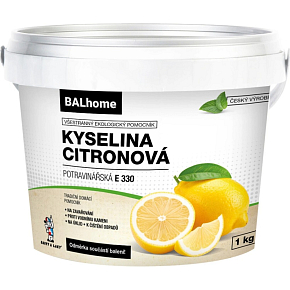
CompareA versatile eco-friendly helper. Used as an ingredient for preserving and flavoring fruits, jams, vegetables, beverages, and syrups. Also for removing limescale and stains from clothing.

Code:
2501413
1.24 EUR
6.2EUR/1kg
In stock
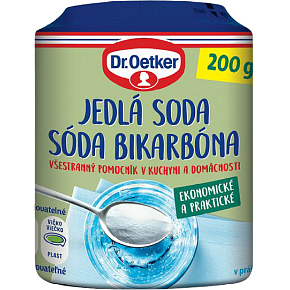
FavoriteCompareA versatile helper in the kitchen and household in a resealable practical container for repeated use.

Code:
2503741
1.24 EUR
124EUR/1l
In stock
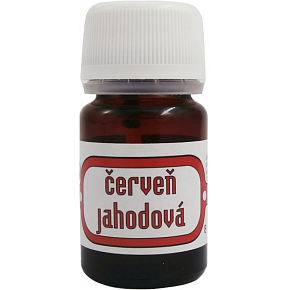
FavoriteCompareStrawberry liquid food coloring suitable for liquids, creams, batters, or for airbrush.

Code:
03672
99%
1.15 EUR
4.6EUR/1kg
In stock
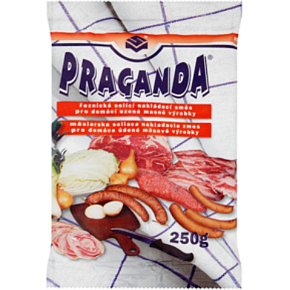
FavoriteComparePraganda quick salt is a proven butcher's curing mixture designed for marinating and preserving meat.

Code:
2501920
100%
0.53 EUR
53EUR/1kg
In stock
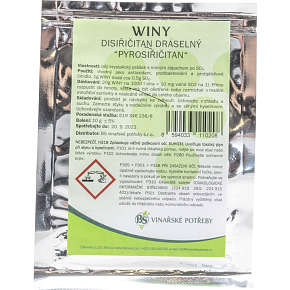
FavoriteComparePotassium metabisulphite for food - preservative E 224.
Code:
2600787
0.61 EUR
61EUR/1kg
In stock
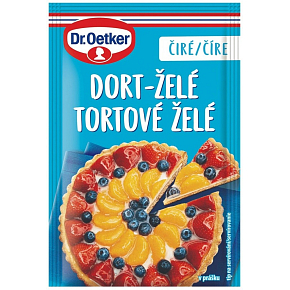
FavoriteCompareThe clear jelly cake from Dr. Oetker is ideal for creating a glossy and transparent layer on fruit cakes, pastries, and desserts.
Code:
2505931
0.38 EUR
76EUR/1kg
In stock
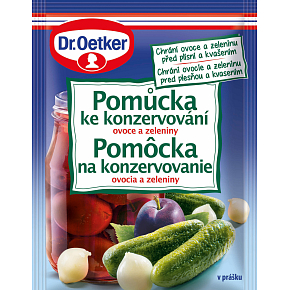
FavoriteCompareThe preserving aid protects against mold and fermentation. It is a proven helper for preserving both fruit and vegetables.
Code:
2502093
1.24 EUR
62EUR/1l
In stock
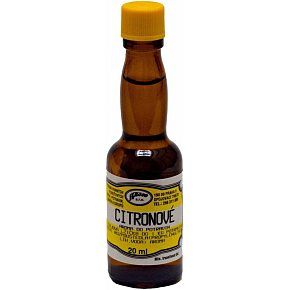
FavoriteCompareFood flavoring with taste. With food flavoring, you can easily flavor any type of food. Just add a few drops.

Code:
2602296
0.38 EUR
19EUR/1kg
In stock
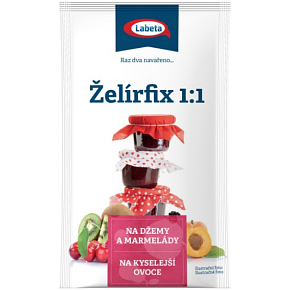
FavoriteCompareLabeta Želírfix 1:1 helps in the preparation of homemade jams and jellies with a classic fruit to sugar ratio.
Code:
2502099
1.24 EUR
62EUR/1l
In stock
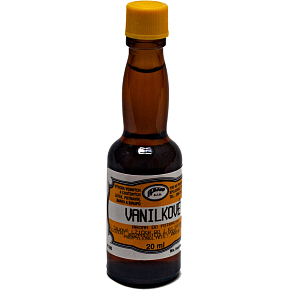
FavoriteCompareFood flavoring with flavor. With food flavoring, you can easily flavor any type of food. Just add a few drops.

Code:
2501720
100%
0.42 EUR
4.2EUR/1kg
In stock
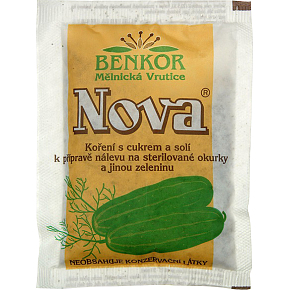
FavoriteCompareDoes not contain preservatives. Traditional recipe from a traditional producer of the NOVA pickling preparation. Contains salt, sugar, and a mix of spices with dill.

Code:
2501860
100%
1.56 EUR
5.2EUR/1kg
In stock
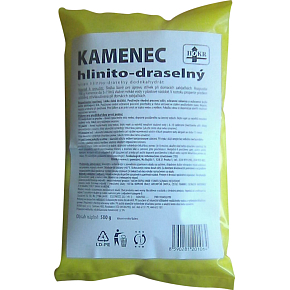
FavoriteCompareThe product is mainly intended for washing intestines during slaughtering.
Variants of this product

Code:
2500109
100%
1.42 EUR
71EUR/1kg
In stock
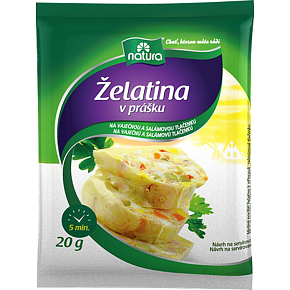
FavoriteCompareGelatin is intended for the preparation of egg pudding, vegetable and meat aspics, and others.
Code:
03754
100%
1.42 EUR
71EUR/1kg
In stock
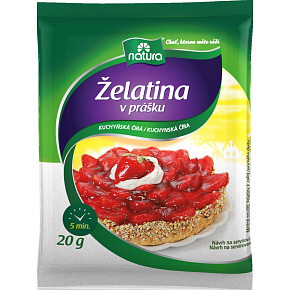
FavoriteCompareGelatin is a powdered mixture for preparing clear gelatin for fruit desserts, cakes, and parfaits.
Recently visited products