/search_thin.svg)

/currency.svg)
/heart.svg)
/user.svg)
/cart.svg)


BALTECH sodium hydroxide for drain cleaning, liquid, 1 l
Code: 2501542
Baltech sodium hydroxide, lye, for drain and pipe cleaning, bleaching and dyeing textiles, degreasing baths. Not only for cleaning boilers, pipes, and drains.Read more
Choose a discounted package
Quantity discounts
/envelope.svg)
Query
/bell.svg)
Watch
/share.svg)
Share
PARAMETERS
Producer:
Code:
2501542
ean:
8591235077070
Status:
AKCE
Packaging:
8/408
Species:
liquid
Manufacturer:
Colors and Varnishes Hostivař a.s.
Corrosive/Caustic:
Corrosive/Caustic
Description BALTECH sodium hydroxide for drain cleaning, liquid, 1 l
Baltech sodium hydroxide, also known as lye, is intended for cleaning drains and pipes, bleaching and dyeing textiles as well as for degreasing baths. You will use it not only for cleaning boilers, pipes, and drains. The dosage depends on the relevant working procedure. Sodium hydroxide is a hygroscopic substance. It absorbs carbon dioxide from the air. It dissolves easily in water and ethanol. A large amount of heat is released during dissolution. The solution reacts strongly alkaline.
Clogs in the bathroom, toilet, or kitchen can be caused by organic dirt, pet hair, strands, nails, and hair. Such impurities create a solid and resistant barrier that nearly obstructs water flow. Clogged toilets and drains are a common problem that arises in every household at some point. Lye is mainly used in households for cleaning plumbing pipes and drains. It easily deals with various kinds of organic material and frees clogged waste within minutes.
Lye, or sodium hydroxide, is a very strong caustic substance. Sodium hydroxide is also referred to by the names natron, sodium hydroxide, or caustic soda. Its chemical formula is NaOH. Sodium hydroxide is neither flammable nor explosive, but it can decompose when exposed to heat, potentially releasing caustic or toxic gases.
Properties of BALTECH sodium hydroxide:
- liquid
- packaging 1 liter
- sodium hydroxide lye
- for cleaning drains and pipes
- bleaching and dyeing textiles
- degreasing baths
- for cleaning boilers
- composition 97 % sodium hydroxide
Product safety warning (H-statements)
- H314: Causes severe skin burns and eye damage.
Safety handling instructions (P-statements)
- P102: Keep out of reach of children.
- P280: Wear protective gloves/protective clothing/eye protection/face protection.
- P303+P361+P353: IF ON SKIN (or hair): Remove all contaminated clothing immediately. Rinse skin with water/shower.
- P305+P351+P338: IF IN EYES: Rinse cautiously with water for several minutes. Remove contact lenses, if present and easy to do. Continue rinsing.
- P310: Immediately call POISON CENTER/doctor
- P405: Store locked up.
- P501: Dispose of contents/container in accordance with local regulations.
| Species: | liquid |
| Corrosive/Caustic: | Corrosive/Caustic |
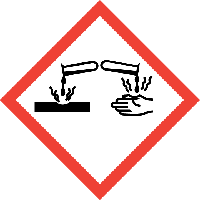
Korozivní/žíravé
Nebezpečí
Může být korozivní pro kovy. Způsobuje těžké poleptání kůže a poškození očí.
Varování. Pokyny pro bezpečné zacházení
Nevdechujte prach/dým/plyn/mlhu/páry/aerosoly. Po manipulaci důkladně omyjte… Používejte ochranné rukavice / ochranný oděv / ochranné brýle / obličejový štít. Skladujte uzamčené. Uchovávejte pouze v původním obalu. Uchovávejte mimo dosah dětí.
Documents
Bezpečnostní list
/document.svg)
review BALTECH sodium hydroxide for drain cleaning, liquid, 1 l
100%
1 review
1
Not rated
Not rated
Not rated
Not rated
Milan O.
Opravdu pomohl s ucpanym odpadem pisoaru
Review verified by Heureka
Related products

Code:
2500089
2.93 EUR
4.19EUR/1l
In stock
/heart.svg) Favorite
Favorite/compare.svg) Compare
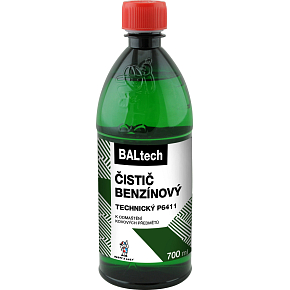
CompareThe technical gasoline cleaner P6411 is primarily designed for cleaning and degreasing metal objects. Technical low-boiling hydrogenated gasoline.

Code:
2501039
2.93 EUR
4.19EUR/1l
In stock
FavoriteCompareUsed for thinning oil-based and synthetic paints that dry in air, intended for application by brush. Added in portions while continuously mixing.
Code:
2501038
3.04 EUR
4.34EUR/1l
In stock
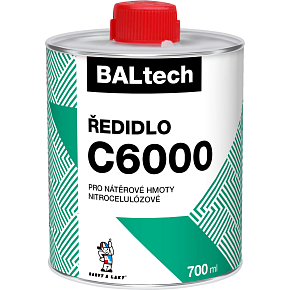
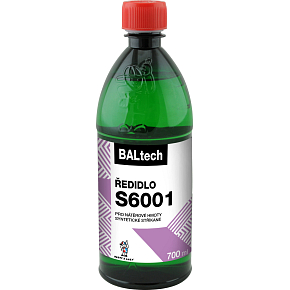
FavoriteCompareThinner for thinning nitrocellulose and synthetic paints. Also used for washing tools and equipment, and for removing resins from wood surfaces.
Code:
2504042
14.46 EUR
3.62EUR/1l
In stock
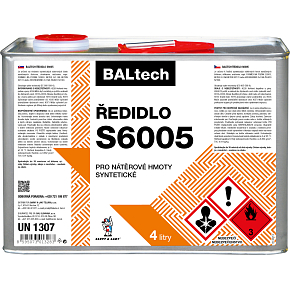
FavoriteCompareS 6005 is a thinner designed for thinning synthetic paints applied by spraying or dipping. The type of thinner according to the method of applying the coating is always indicated on the packaging of individual coatings.
Code:
2501637
2.93 EUR
4.19EUR/1l
In stock
FavoriteCompareThinner or solvent is used to improve the spreadability of paints, to clean brushes, and to remove old coatings. Thinner C6001 is suitable for diluting fast-drying synthetic paints, especially suitable for spraying.
Code:
2501640
13.04 EUR
15.34EUR/1kg
In stock
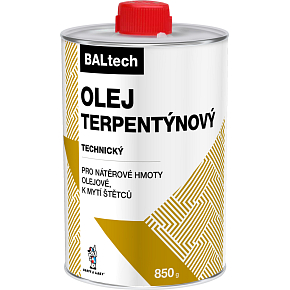
FavoriteCompareUsed as a thinner for oil paints, for varnish production, and as a raw material in the chemical industry. Adding it to paints creates a smooth, enamel-like surface with no visible brush marks. Turpentine is also added to many cleaning and sanitary products.
Code:
2502234
3.64 EUR
1.21EUR/1l
In stock
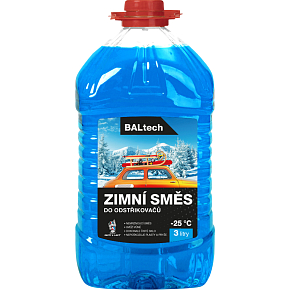
FavoriteCompareProven cleaning antifreeze liquid for all types of washer systems of motor vehicles with frost resistance of -25 °C. It protects washer equipment from corrosion.
Code:
2500093
2.40 EUR
6EUR/1l
In stock
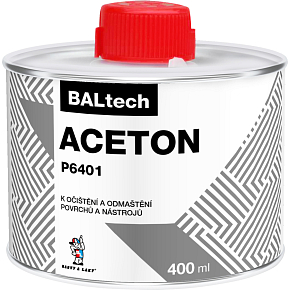
FavoriteCompareAcetone is intended for degreasing and cleaning metal surfaces before the application of coatings, for cleaning tools and equipment, and also as a special solvent, e.g., for nitrocellulose adhesives.
Code:
2501735
2.01 EUR
2.01EUR/1l
In stock
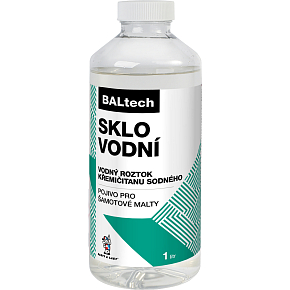
FavoriteCompareAs a basic binder for mixing fireclay adhesive mortar for construction, embedding fireclay elements, and repairing stoves, fireplaces, and other types of heating appliances.
Code:
2501494
14.32 EUR
3.58EUR/1l
In stock
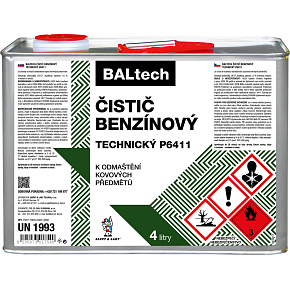
FavoriteCompareIt is intended for coarse degreasing of mainly metal items. Highly flammable liquid and vapors.
Code:
2504054
27.75 EUR
3.08EUR/1l
In stock
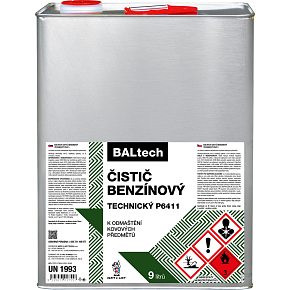
FavoriteCompareIt is intended for coarse degreasing of metal objects. Highly flammable liquid and vapors.
Code:
2501760
2.08 EUR
4.16EUR/1l
In stock
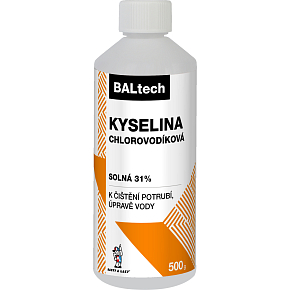
FavoriteCompareIt is used, for example, for removing limescale, cleaning pipes and drains. Basic chemical raw material for commonly known uses.
Variants of this product
AKCE
Code:
2501756
4.21 EUR
4.21EUR/1kg
In stock
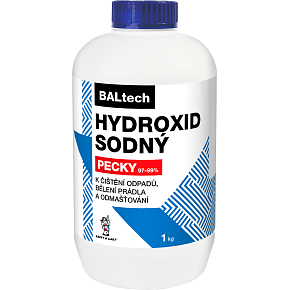
FavoriteCompareBaltech sodium hydroxide, lye, for cleaning drains and pipes, bleaching and dyeing textiles, degreasing baths, beads. Not only for cleaning boilers, pipes, and drains.
AKCE
Code:
2501530
2.47 EUR
2.47EUR/1kg
In stock
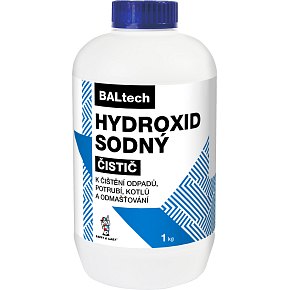
FavoriteCompareBaltech sodium hydroxide, lye, for cleaning drains and pipes, bleaching and dyeing textiles, degreasing baths. Not only for cleaning boilers, pipes, and drains.
AKCE
Code:
2501758
100%
3.18 EUR
3.18EUR/1kg
In stock
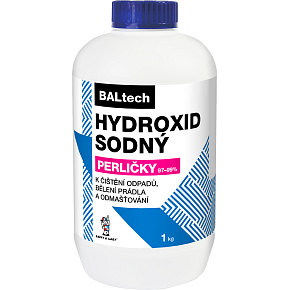
FavoriteCompareBaltech sodium hydroxide (lye) for cleaning drains and pipes, bleaching and dyeing textiles, degreasing baths, pearls.
AKCE
Code:
2501541
2.12 EUR
4.24EUR/1kg
In stock
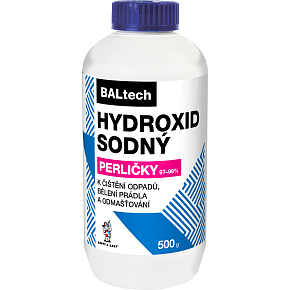
FavoriteCompareBaltech sodium hydroxide, lye, for cleaning drains and pipes, bleaching and dyeing textiles, degreasing baths, pearls. Not only for cleaning boilers, pipes, and drains.
Code:
2501661
1.59 EUR
3.53EUR/1kg
In stock
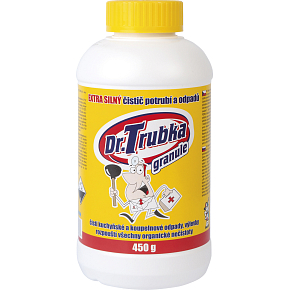
FavoriteCompareVery powerful pipe and drain cleaner for every household, and due to its strength, also for industrial use.
Recently visited products