


Soudal Soudafix P-300 SF chemical anchor, 300 ml
Code: 2504717In stock
Date and method of delivery
Producer:
INVA Building Materials s.r.o.

Anchoring threaded rods and sleeves, metal anchors, reinforcement bars, etc., for solid and hollow construction materials, quick anchoring of scaffolding.Read more
Choose a discounted package
Quantity discounts

Query

Watch

Share
PARAMETERS
Producer:
Code:
2504717
ean:
5411183119635
Status:
Species:
ostatní
Manufacturer:
INVA Building Materials s.r.o.
Health hazard:
Health hazard
Description Soudal Soudafix P-300 SF chemical anchor, 300 ml
Soudal Soudafix P-300 SF is a two-component chemical anchor designed for non-pressurized fastening of threaded rods, anchor ends, reinforcements, or various profiles without causing stress in the surrounding material. This chemical anchor is designed for use in solid and hollow substrates, such as bricks, concrete, cracked concrete, aerated concrete, natural stone, gypsum board, and similar materials. It features exceptionally fast curing, high strength, easy dispensing with a standard caulking gun, and the possibility of reuse after a new mixing nozzle is installed.
Characteristics of Soudal Soudafix P-300 SF chemical anchor:
- High-quality chemical anchor from Soudal,
- easy and quick application,
- application can be performed with a standard caulking gun,
- fast curing,
- wide range of applications,
- styrene-free (low odor),
- possibility of multiple uses (after a new mixing nozzle is installed),
- waterproof and impermeable fastening,
- excellent choice for fastening in hollow bricks using a mesh,
- has ETA certificates for fastening in concrete and masonry.
Examples of using Soudal chemical anchor:
- Safe anchoring with high load-bearing capacity in both solid and hollow construction materials,
- anchoring without applying pressure to the surrounding material,
- anchoring near edges and in corners,
- can be used as repair mortar,
- quick anchoring of scaffolding,
- anchoring of various types of signage,
- fastening electrical cabinets,
- mounting and anchoring of canopies and roofs,
- anchoring climbing elements and metal ladders,
- fastening railings, handles, supports, etc.,
- installation of kitchen units, decorations, etc.,
- installation of radiators and HVAC systems.
Surfaces for chemical anchor:
Suitable surfaces: all commonly used porous construction materials; on smooth non-porous substrates, adhesion is poorer. Condition of the drill surface: free of grease and dust, clean. Preparation: no special treatment is necessary; in the case of hollow materials, it is necessary to insert a plastic or metal mesh.
Instructions for using chemical anchor:
Drill a hole to the recommended depth (see table in the product images). Clean the drilled hole with a brush and blow out with an air pump. Screw the mixing nozzle onto the cartridge. Before application, dispense approximately 10 cm strip of the material until it has a uniform dark gray color (indicating perfect mixing of both components of the product). Chemical anchor for concrete: Insert the nozzle into the hole and fill up to ½ or ⅔ of the hole. Insert the anchoring element with a slow twisting motion down to the bottom of the hole and remove the excess material from around the hole. Chemical anchor for hollow materials: first drill a hole in the substrate according to the table for the given anchoring element, insert a mesh of the specified diameter into the drilled hole and fill with anchoring paste. Carry out the homogenization of the paste as per the previous point. Insert the anchoring element with a twisting motion (alternating left-right) and fix it. Refer to the table for necessary diameters and times – do not move the anchoring element during curing. The excess paste can be easily removed mechanically with a hammer and chisel after curing.
Product safety warnings (H-statements)
- H317: May cause an allergic skin reaction.
- H319: Causes serious eye irritation.
Safety handling instructions (P-statements)
- P101: If medical advice is needed, have product container or label at hand.
- P102: Keep out of reach of children.
- P280: Wear protective gloves/protective clothing/eye protection/face protection.
- P302+P352: IF ON SKIN: Wash with plenty of water and soap
- P305+P351+P338: IF IN EYES: Rinse cautiously with water for several minutes. Remove contact lenses if present and easy to do. Continue rinsing.
- P333+P313: If skin irritation or rash occurs: Get medical advice/attention.
- P337+P313: If eye irritation persists: Get medical advice/attention.
- P362+P364: Take off contaminated clothing and wash it before reuse.
- P501: Dispose of contents/container in accordance with local regulations.
| Species: | ostatní |
| Health hazard: | Health hazard |

Nebezpečnost pro zdraví - dráždivé látky
Nebezpečí
Může způsobit podráždění dýchacích cest. Může způsobit ospalost nebo závratě. Může vyvolat alergickou kožní reakci. Způsobuje vážné podráždění očí. Dráždí kůži. Zdraví škodlivý při požití. Zdraví škodlivý při styku s kůží. Zdraví škodlivý při vdechování. Rozkladem ozonu v horních vrstvách atmosféry poškozuje veřejné zdraví a životní prostředí.
Varování. Pokyny pro bezpečné zacházení
Zamezte vdechování prachu/dýmu/plynu/mlhy/par/aerosolů. Používejte pouze venku nebo v dobře větraných prostorách. Při vdechnutí: přeneste postiženého na čerstvý vzduch a ponechte jej v klidu v poloze usnadňující dýchání. Při požití: necítíte-li se dobře, volejte TOXIKOLOGICKÉ INFORMAČNÍ STŘEDISKO nebo lékaře. Používejte ochranné rukavice / ochranný oděv / ochranné brýle / obličejový štít. Při styku s kůží: omyjte velkým množstvím vody a mýdla. Při zasažení očí: několik minut opatrně vyplachujte vodou. Vyjměte kontaktní čočky, jsou-li nasazeny, a pokud je lze vyjmout snadno. Pokračujte ve vyplachování. Při používání tohoto výrobku nejezte, nepijte ani nekuřte. Uchovávejte mimo dosah dětí.
Documents
Bezpečnostní list

Prohlášení o shodě
Prohlášení o vlastnostech
Katalogový list
Related products


Code:
2502866
4.92 EUR
9.84EUR/1kg
In stock
 Favorite
 Compare
Universal glue for water-resistant bonding in the D2 resistance class (interior) with a favorable open time and quick drying speed. Used in packaging technology, model making, woodworking, and furniture industries.

Code:
2506582
2.99 EUR
996.67EUR/1kg
In stock
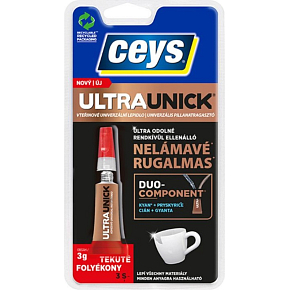
FavoriteCompareCeys Ultraunick is a fast-drying universal super glue designed for express repairs and small jobs.
AKCE

Code:
2503192
4.19 EUR
279.33EUR/1l
In stock
FavoriteCompareThe white enamel repair is easy to use, designed for repairing scratches, chipping, and peeling on enamel surfaces and all types of ceramic products (porcelain, stoneware, kitchens, bathrooms, sinks, bathtubs, electrical appliances, dishes, porcelain).

Code:
2507161
0.42 EUR
140EUR/1kg
In stock
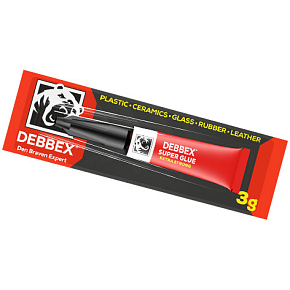
FavoriteCompareBonding various materials with a very quick curing effect; Bonding hard PVC, rubber, glass, metals, APTK-EPDM profiles for glazing; Bonding the mentioned materials including their mutual combinations;

Code:
2600011
4.19 EUR
95.23EUR/1kg
In stock
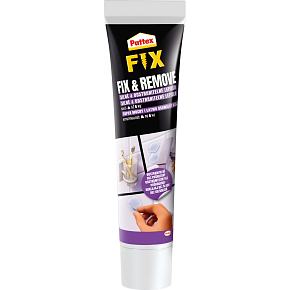
FavoriteComparePractical interior mounting adhesive with a load capacity of up to 6 kg, reliably attaches hooks, lights, or small shelves and can be removed without permanent marks.


Code:
2503631
1.93 EUR
7.72EUR/1kg
In stock
FavoriteCompareWood filler is suitable for leveling wooden, chipboard, cement-bonded, and other absorbent substrates.

Code:
2506339
4.40 EUR
48.89EUR/1l
In stock
FavoriteCompareCreates a unique combination of mounting adhesive and sealant in one.

Code:
2504915
3.48 EUR
0.07EUR/1m
In stock
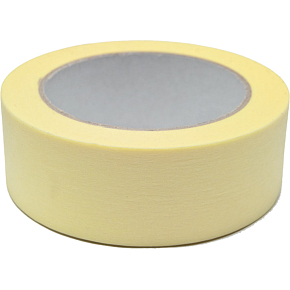
FavoriteCompareA masking tape that holds well for seven days. Suitable for painting jobs. Ideal for one-day masking.

Code:
2504919
2.46 EUR
0.05EUR/1m
In stock
FavoriteCompareMako Color masking tape adheres for 7 days, suitable for up to 60 °C, dimensions 19 mm in width and 50 meters in length. Paper adhesive tapes suitable for painters and varnishers. The tapes can be removed without leaving adhesive.

Code:
04614
2.88 EUR
57.6EUR/1l
In stock
FavoriteCompareBonds and securely connects a wide range of materials: metal, rubber, leather, artificial leather, cork, felt, textiles, soft PVC, ABS, foam materials, wood, etc.
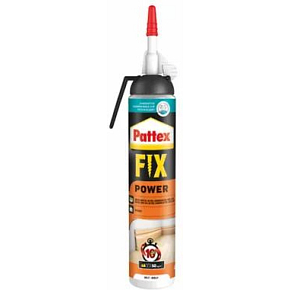
Code:
2507569
6.86 EUR
26.38EUR/1kg
In stock
FavoriteComparePattex Fix Power Self-Trigger – when you want to glue quickly, cleanly, and without compromise.
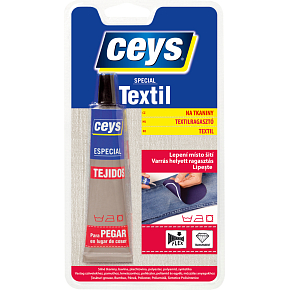
Code:
2503193
4.54 EUR
151.33EUR/1l
In stock
FavoriteCompareBonded materials can be washed and ironed. The adhesive ensures flexible bonding without sewing. It remains transparent after drying.
Variants of this product
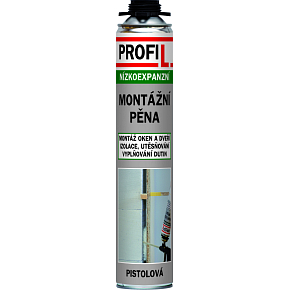
Code:
2504569
6.65 EUR
8.87EUR/1l
In stock
FavoriteCompareSuitable for installing and sealing window and door frames, installing and insulating bathtubs and shower trays, filling and sealing joints and penetrations in walls, filling gaps between thermal insulation boards or roofing elements.
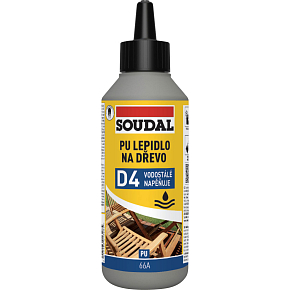
Code:
2502875
11.57 EUR
15.43EUR/1kg
In stock
FavoriteComparePolyurethane wood adhesive, quick drying time, very high adhesive strength, and water resistance D4 (ČSN EN 204).
Code:
2502928
5.10 EUR
255EUR/1kg
In stock
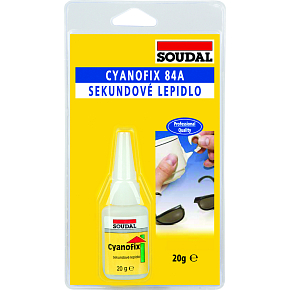
FavoriteCompareSuper glue, strong adhesion, quick-drying. Bonds most smooth materials, common quick repairs, suitable for porcelain, glass, rubber, metals, most plastics, etc., do not use on PE, PP, PTFE.

Code:
2503044
6.30 EUR
25.2EUR/1kg
In stock
FavoriteComparePolyurethane wood glue with a short drying time, very high adhesive strength, and water resistance D4 (ČSN EN 204).
Code:
2505020
13.33 EUR
In stock
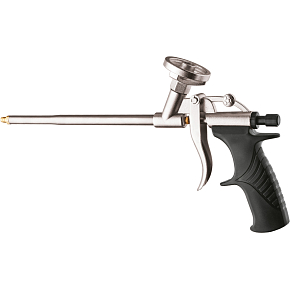
FavoriteCompareLightweight metal gun for applying all common types of gun foams. It is equipped with a precise regulation mechanism for comfortable and accurate dosing of mounting foam.
Code:
2503058
1.58 EUR
3.29EUR/1kg
In stock
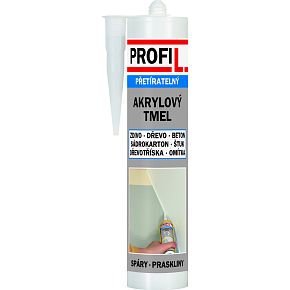
FavoriteComparePaintable sealant for joints and cracks in plaster, walls and ceilings, around windows and doors, floor and decorative moldings.

Code:
2502926
5.45 EUR
19.46EUR/1l
In stock
FavoriteCompareClear neutral silicone sealant with no vinegar smell for sealing joints in high humidity environments or sanitary rooms.
Code:
2503631
1.93 EUR
7.72EUR/1kg
In stock
FavoriteCompareWood filler is suitable for leveling wooden, chipboard, cement-bonded, and other absorbent substrates.
Code:
2505019
3.83 EUR
In stock
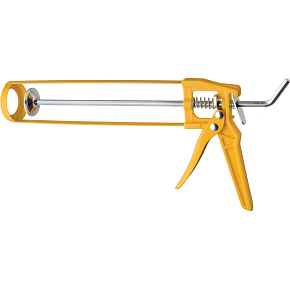
FavoriteCompareFor the application of dispensing sealants or adhesives from cartridges. Immediate usability, easy operation.
Code:
2503426
4.89 EUR
9.78EUR/1l
In stock
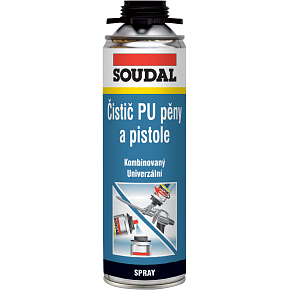
FavoriteCompareCombined cleaner for the maintenance of PU foam application guns and for cleaning soiled surfaces using a sprayer. Effectively dissolves all types of uncured polyurethane foams.
Code:
2503436
6.51 EUR
23.25EUR/1l
In stock
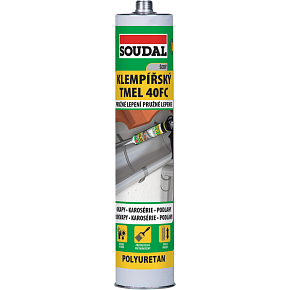
FavoriteComparePolyurethane sealant for all sealing and bonding of expansion and vibration joints in construction and engineering, sealing and bonding of metal structures, expansion joints of industrial floors...
Code:
2502932
1.26 EUR
0.25EUR/1ks
In stock
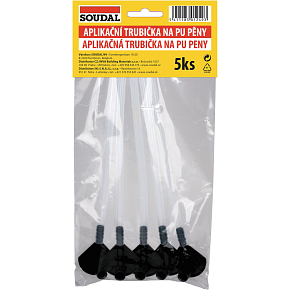
FavoriteCompareReplacement application tubes for polyurethane foams.


