
/currency.svg)
/heart.svg)
/user.svg)
/cart.svg)

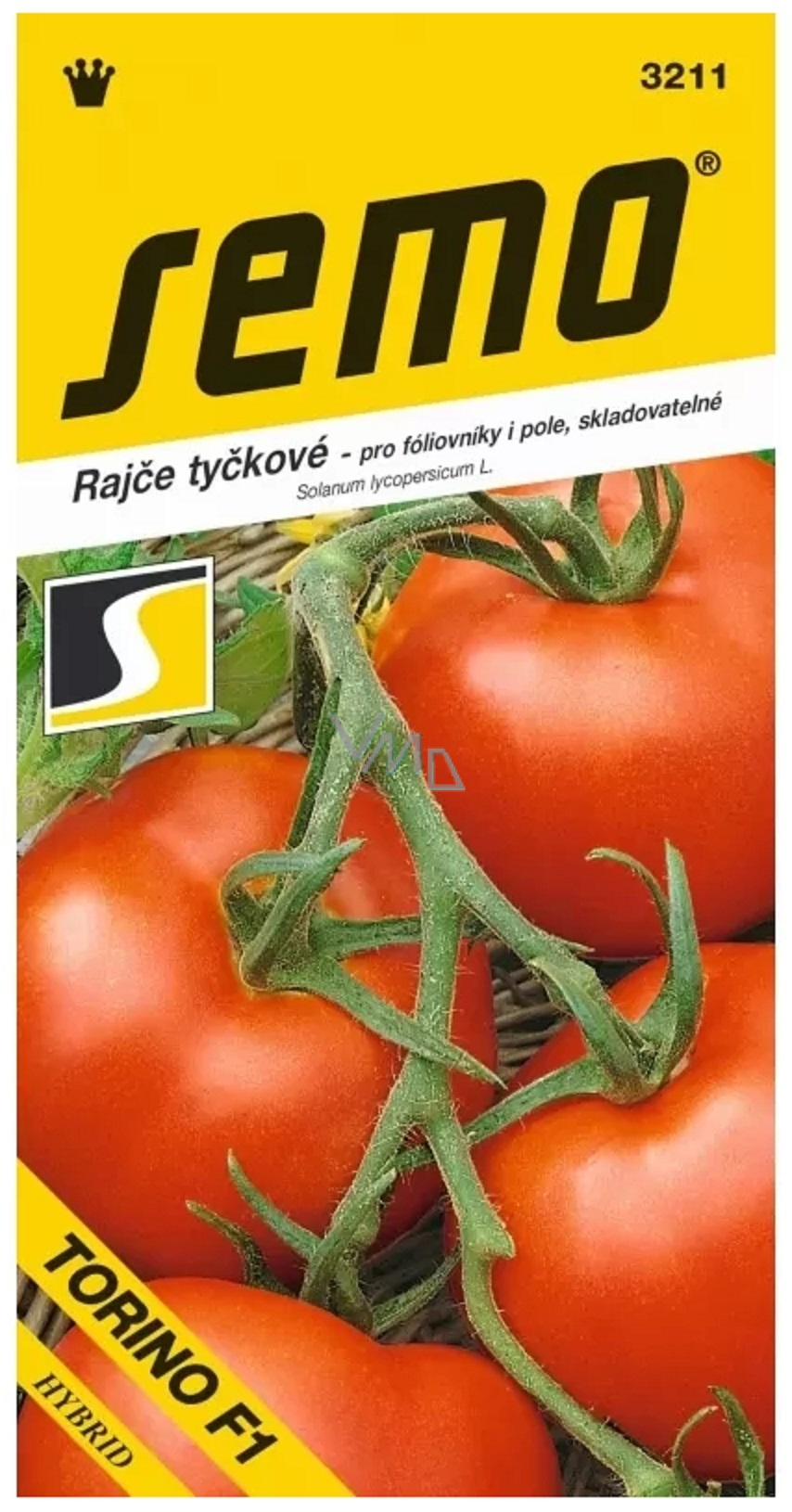
Semo Tomato Stake Torino F1 45 seeds
Code: 2400087dnů:2
Date and method of delivery
Producer:
Semo Cz, s.r.o.

TORINO F1 - early, fast-growing tomato for adverse conditions, with firm fruits weighing 80 - 100 g Read more
Choose a discounted package
Quantity discounts
/envelope.svg)
Query
/bell.svg)
Watch
/share.svg)
Share
PARAMETERS
Producer:
Code:
2400087
ean:
8590396321107
Status:
VÝPRODEJ - SUPER CENA
Packaging:
10
Manufacturer:
Semo Cz, s.r.o.
Description Semo Tomato Stake Torino F1 45 seeds
TORINO F1 - early, fast-growing tomato for adverse conditions, with firm fruits weighing 80 - 100 g that hardly crack. Shelf life is 10 - 14 days, and the taste is pleasant. They are primarily intended for cultivation in open ground.
If you are a tomato lover, you surely know that picking a tomato directly from the plant and eating it right away is a perfect experience for your taste buds. Tomatoes ripen in the sun; they are the reddest and most fragrant vegetables of the entire year. Moreover, the abundance of healthy substances in tomatoes is enormous. Tomatoes help lower cholesterol, prevent infections, reduce uric acid levels, strengthen the immune system, help prevent cardiovascular diseases, stimulate digestion, assist the body in getting rid of toxins thanks to diuretic substances, improve wound healing, control blood pressure, and most importantly, reduce the risk of up to 9 different types of cancer.
Tomatoes are rich in important vitamins A, B, C, D, E, and K. They also contain folic acid and phosphorus, manganese, zinc, copper, and calcium. They contain carotenoids that have antioxidant effects. The red fruits are the richest source of the exceptionally potent antioxidant lycopene, which helps eliminate free radicals in the body. Tomatoes are also rich in vitamins and minerals that are beneficial for eye health. If you want to keep your vision in shape and reduce the risk of eye diseases such as cataracts and macular degeneration, be sure to include tomatoes in your diet.
- juicy red fruits
- very good taste
- perfect for salads, cooking, and baking
When pre-growing seedlings, sow in March. At the stage of the beginning of true leaf formation, we transplant the plants. In unheated hotbeds, plant in the second half of April, outdoors in a sunny spot after May 15, 3 – 4 plants per m2.
Stake varieties should be planted with support to prevent them from breaking. Train the tomato on a single shoot, pinching off side shoots. The maximum height should be about 150 cm – then pinch the main shoot. This way, the plant will not exhaust itself and will direct all its strength into the fruits instead of the stems and leaves. For bush tomatoes, shape the plant to ensure there is enough light inside the bush.
Irrigation is very important. Ensure regular watering at longer intervals. The highest water requirement occurs during fruit formation, while less water is needed during fruit ripening. Inadequate moisture leads to cracking, small, and deformed fruits. Water the plants in the morning or evening, directly at the roots, never on the leaves! Subirrigation is advantageous.
Related products
VÝPRODEJ - SUPER CENA
-34%Discount

Code:
85094
0.38 EUR
0.58 EUR
0.38EUR/1kg
In stock
/heart.svg) Favorite
Favorite/compare.svg) Compare
CompareLeaf celery forming a rosette of fine aromatic leaves 60 - 70 cm high with 30 - 40 vegetative tops.
VÝPRODEJ - SUPER CENA
-34%Discount
Code:
31520
95%
0.38 EUR
0.58 EUR
7.6EUR/1kg
In stock
FavoriteComparepeas set pod proven early to mid-early variety intended for gradual harvest of green peas for direc
VÝPRODEJ - SUPER CENA
-29%Discount
Code:
85330
100%
0.27 EUR
0.38 EUR
67.5EUR/1kg
In stock
FavoriteCompareProven variety of dark-leaved spinach. Leaves are medium-sized, sprawling, and with a blunt tip. Can
VÝPRODEJ - SUPER CENA
-34%Discount
Code:
05198
0.38 EUR
0.58 EUR
380EUR/1kg
In stock
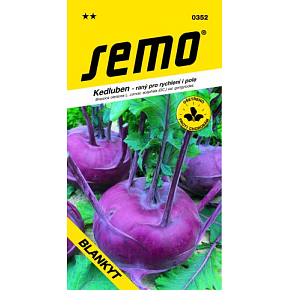
FavoriteCompareEarly blue kohlrabi, high-yielding variety for spring cultivation. Direct sowing possible from April
VÝPRODEJ - SUPER CENA
-34%Discount

Code:
05244
87%
0.38 EUR
0.58 EUR
95EUR/1kg
In stock
FavoriteCompareFragrant dill is an undemanding annual herb, grown for its foliage or as a spice. For harvesting fre
VÝPRODEJ - SUPER CENA
-33%Discount
Code:
92883
0.46 EUR
0.69 EUR
65.71EUR/1kg
In stock
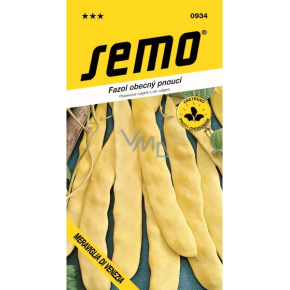
FavoriteCompareLate variety, pole yellow pod beans. Pods can grow up to 21 cm in size and are of the Supermarconi
VÝPRODEJ - SUPER CENA
-34%Discount
Code:
85507
100%
0.38 EUR
0.58 EUR
190EUR/1kg
In stock
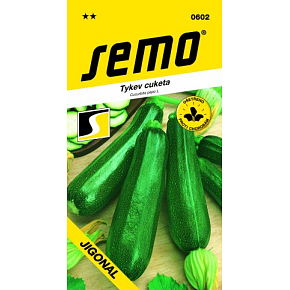
FavoriteCompareNon-hybrid variety of zucchini with larger, dark green fruits The fruits are shorter, and when overr
VÝPRODEJ - SUPER CENA
-34%Discount
Code:
84324
100%
0.38 EUR
0.58 EUR
126.67EUR/1kg
In stock
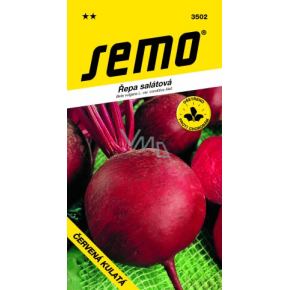
FavoriteCompareProven and high-yielding semi-late variety. The root is spherical with an intensely purple surface.
VÝPRODEJ - SUPER CENA
-34%Discount
Code:
05318
0.38 EUR
0.58 EUR
190EUR/1kg
In stock
FavoriteCompareHigh-yield variety with a round shape Grown mainly from sets Direct sowing is also possible Well
VÝPRODEJ - SUPER CENA
-34%Discount
Code:
05330
100%
0.38 EUR
0.58 EUR
126.67EUR/1kg
In stock
FavoriteCompareHigh-quality variety of early carrot intended for direct consumption and short-term storage. The roo
VÝPRODEJ - SUPER CENA
-34%Discount
Code:
39427
0.38 EUR
0.58 EUR
380EUR/1kg
In stock
FavoriteCompareA bushy annual with distinctly aromatic foliage. It has been grown for ages as a spice, medicinal, a
VÝPRODEJ - SUPER CENA
-32%Discount
Code:
39423
100%
0.84 EUR
1.23 EUR
In stock
FavoriteCompareStake tomato yielding hybrid On the plants we remove side shoots We water once a week with a large
Variants of this product
VÝPRODEJ - SUPER CENA
-35%Discount
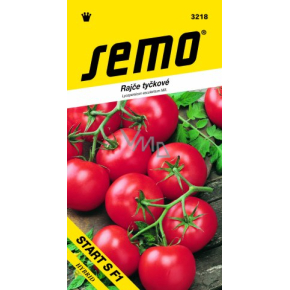
Code:
47822
100%
1.15 EUR
1.77 EUR
0.02EUR/1ks
In stock
FavoriteCompareProven hybrid of early stake tomato. The plant is of medium growth. proven hybrid of early stake
VÝPRODEJ - SUPER CENA
-32%Discount
Code:
39423
100%
0.84 EUR
1.23 EUR
In stock
FavoriteCompareStake tomato yielding hybrid On the plants we remove side shoots We water once a week with a large