/search_thin.svg)

/currency.svg)
/heart.svg)
/user.svg)
/cart.svg)

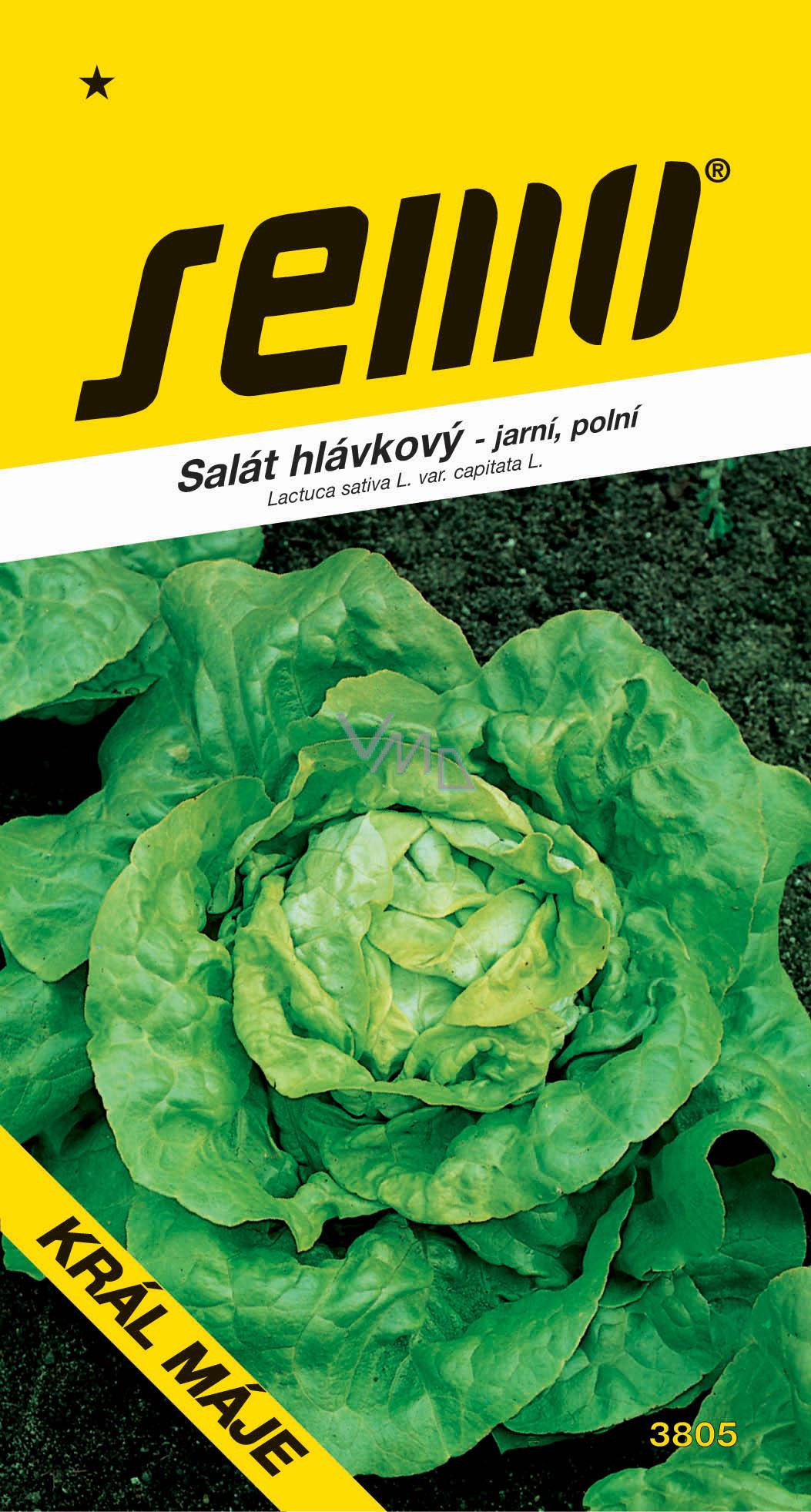
Semo Head Lettuce King of May - Spring, Field 0.4 g
Code: 1900036
Head lettuce has a great taste High biological value. It is easily digestible. There are lettuces wiRead more
Choose a discounted package
Quantity discounts
/envelope.svg)
Query
/bell.svg)
Watch
/share.svg)
Share
PARAMETERS
Producer:
Code:
1900036
ean:
8590396380500
Status:
VÝPRODEJ - SUPER CENA
Packaging:
10
Manufacturer:
Semo Cz, s.r.o.
Description Semo Head Lettuce King of May - Spring, Field 0.4 g
- Head lettuce has a great taste
- High biological value.
- It is easily digestible.
- There are lettuces with red and green leaves.
- Red-leaved lettuce contains significant amounts of carotene.
- The ability to act preventively against skin cancer that can be caused by excessive tanning.
- Green varieties contain a lot of magnesium, which is part of the green leaf pigment chlorophyll.
The juice from the leaves contains small amounts of malic, citric, and oxalic acids, as well as asparagine and the bitter substance lactucin. Lettuce is therefore also used as a mild sedative and narcotic. Lettuce juice dissolved in wine is said to be an effective remedy for pain. Lettuce has anti-inflammatory effects, and extracts are used to prepare solutions for treating sunburns and rough skin. It is also used as a compress for bruises or internally against stomach ulcers or intestinal inflammation. Additionally, it acts against coughs, spasms, and bronchial issues. From a cultivation perspective, lettuce requires good, sufficiently airy soil of the second class. It is demanding in terms of nutrient supply in immediately accessible forms. Sunny locations are recommended. When sowing directly into the garden, seeds are sown shallowly in rows or in pinches at a spacing of 25 x 25 to 30 x 30 cm, and plants are thinned after germination. For seedling cultivation, seeds are sown shallowly in trays, and at the stage of true leaf formation, the seedlings are then pricked out at a spacing of 4 x 4 cm. Daytime temperatures should be maintained between 16 - 20 °C, at night 4 - 6 °C. When there are 4 - 6 true leaves, it is shallowly planted in the garden so that the heart of the plant is not covered. Irrigation should be carried out regularly with smaller amounts of water.
Magnesium is important for metabolism and the transmission of nerve impulses in muscles. Its deficiency leads to fatigue, nervousness, and insufficient concentration. The complex of natural substances in lettuce has antispasmodic and soothing effects. Regular consumption of lettuce strengthens the immune system and may reduce the risk of cancer. From a content perspective, the outer leaves of the head are more valuable, although the internal etiolate leaves are tastier and more delicate. The plant contains water, proteins, fats, and fibers, as well as valuable minerals like K, P, Ca, Mg, Fe, vitamin C, A, B1, and B2. Given the content of a large percentage of water and up to 1.5 % fiber which accelerates intestinal movement, it relieves constipation, binds harmful substances, contributing not only to weight loss but also to the purification of the body. Due to its low energy value, it is therefore suitable for a reduction diet.
Characteristics
Field head lettuce (Lastuca sativa L.var.capitata L.) - King of May 1.
Contents of packaging
0.4 g (800 - 1000 seeds in 1 g, HTS 1 - 1.5 g) - treated against fungal diseases: No.
Properties
The King of May 1 variety is a semi-early variety of lettuce intended for the earliest spring cultivation and for forcing in unheated foil covers. It forms medium-sized, approximately 250 - 350 g light green closed heads. The head is firm, has typical anthocyanin coloration (reddening) of the cover leaf at low temperatures. The variety is moderately resistant to bolting.
Sowing method
spacing 25 x 25 cm.
Growing period
70 - 100 days from planting to harvesting.
Overview of sowing and harvesting times
- sowing - February, March, April
- harvesting - May, June
Head lettuce is not suitable for classic storage. It is more advantageous to sow individual varieties gradually and then harvest gradually. However, its shelf life can be extended in several ways. One of them is to separate the leaves, which are then placed in a plastic bag and stored in the refrigerator. This way, head lettuce can be kept for up to one week. Another method is to gradually take leaves from a cut head placed in a shallow bowl of water in a cool and dark place. This method keeps the lettuce for about 12 - 24 hours in the desired quality. It should be noted that the storage length for this type of vegetable also depends on the variety.
These data are informative only. The seller is not responsible for any cultivation failure.
review Semo Head Lettuce King of May - Spring, Field 0.4 g
90%
1 review
1
Not rated
Not rated
Not rated
Not rated
Verified customer
Používam již nekolk let a jeFAJN:
Review verified by Heureka
Related products
VÝPRODEJ - SUPER CENA

Code:
92883
0.34 EUR
48.57EUR/1kg
In stock
/heart.svg) Favorite
Favorite/compare.svg) Compare
CompareLate variety, pole yellow pod beans. Pods can grow up to 21 cm in size and are of the Supermarconi
VÝPRODEJ - SUPER CENA
Code:
1700216
0.29 EUR
96.67EUR/1kg
In stock
FavoriteCompareSuitable for practically all our growing areas. It gives the best yields in places with evenly distr
VÝPRODEJ - SUPER CENA
Code:
05190
0.29 EUR
5.8EUR/1kg
In stock
FavoriteComparePisum sativum marrowfat early to very early variety height: 70 cm harvest VI-VII grown in the secon
VÝPRODEJ - SUPER CENA
Code:
85912
100%
0.63 EUR
0.02EUR/1ks
In stock
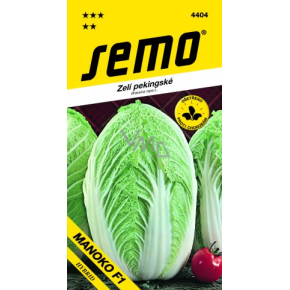
FavoriteCompareEarly variety with high resistance to bolting and excellent health Resistant to fusarium Suitable
VÝPRODEJ - SUPER CENA
Code:
39423
100%
0.65 EUR
In stock
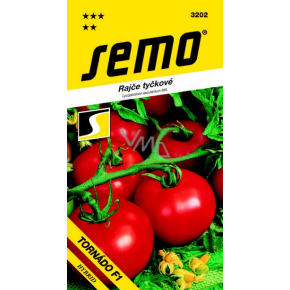
FavoriteCompareStake tomato yielding hybrid On the plants we remove side shoots We water once a week with a large
VÝPRODEJ - SUPER CENA
Code:
92643
0.35 EUR
175EUR/1kg
In stock
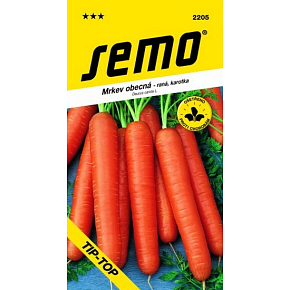
FavoriteCompareEarly Nantes type carrot intended for direct consumption from summer to autumn and for industrial pr
VÝPRODEJ - SUPER CENA
Code:
85295
0.29 EUR
145EUR/1kg
In stock
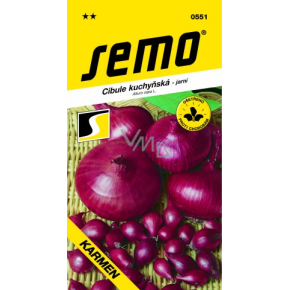
FavoriteCompareEarly, crimson red to purple Flatter globe shape suitable for both direct spring sowing and growing
VÝPRODEJ - SUPER CENA
Code:
05318
0.29 EUR
145EUR/1kg
In stock
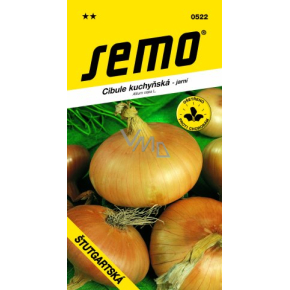
FavoriteCompareHigh-yield variety with a round shape Grown mainly from sets Direct sowing is also possible Well
VÝPRODEJ - SUPER CENA
Code:
05330
100%
0.29 EUR
96.67EUR/1kg
In stock
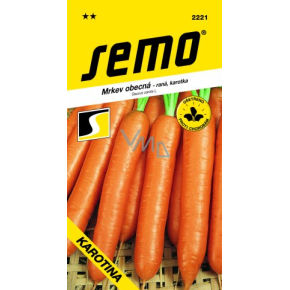
FavoriteCompareHigh-quality variety of early carrot intended for direct consumption and short-term storage. The roo
VÝPRODEJ - SUPER CENA
Code:
85294
0.29 EUR
290EUR/1kg
In stock
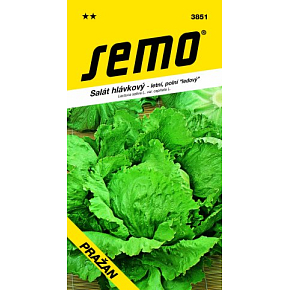
FavoriteCompareIceberg lettuce with high resistance to bolting The head is spherical to slightly flattened Well c
VÝPRODEJ - SUPER CENA
Code:
71188
0.32 EUR
160EUR/1kg
In stock
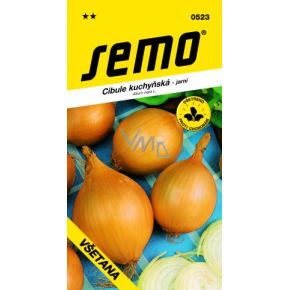
FavoriteComparevariety intended for cultivation from sets, but can also be grown from direct sowing for 10 m² we n
VÝPRODEJ - SUPER CENA
Code:
85507
100%
0.29 EUR
145EUR/1kg
In stock
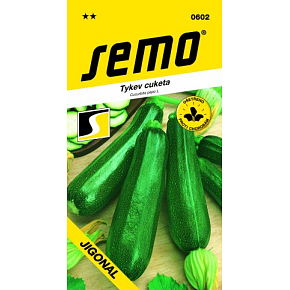
FavoriteCompareNon-hybrid variety of zucchini with larger, dark green fruits The fruits are shorter, and when overr
Variants of this product
VÝPRODEJ - SUPER CENA
Code:
85294
0.29 EUR
290EUR/1kg
In stock
FavoriteCompareIceberg lettuce with high resistance to bolting The head is spherical to slightly flattened Well c
VÝPRODEJ - SUPER CENA
Code:
1700216
0.29 EUR
96.67EUR/1kg
In stock
FavoriteCompareSuitable for practically all our growing areas. It gives the best yields in places with evenly distr
VÝPRODEJ - SUPER CENA
Code:
85295
0.29 EUR
145EUR/1kg
In stock
FavoriteCompareEarly, crimson red to purple Flatter globe shape suitable for both direct spring sowing and growing
Recently visited products