





APEKO Wallpaper Adhesive for Fiberglass Wallpaper V1312, 1 kg
Code: 2503286In stock
Date and method of delivery
Producer:
Colors and Varnishes Hostivař a.s.

For gluing heavy textile wallpapers, especially wallpapers made of fiberglass, to wood, chipboard, concrete, plaster, and agglomerated wood materials.Read more
Choose a discounted package
Quantity discounts

Query

Watch

Share
PARAMETERS
Producer:
Code:
2503286
ean:
8591235024609
Status:
Species:
ostatní
Manufacturer:
Colors and Varnishes Hostivař a.s.
Description APEKO Wallpaper Adhesive for Fiberglass Wallpaper V1312, 1 kg
Apeko V1312 represents adhesive for fiberglass wallpapers and for gluing heavy textile wallpapers, primarily wallpapers made of fiberglass, designed for bonding to concrete, plaster, chipboard, wood, and wood materials. Apeko wallpaper adhesive consists of a mixture of water dispersion and cellulose derivative with the addition of fungicidal agents and special additives. It is a special adhesive for heavy fabric wallpapers and fiberglass wallpapers.
Properties of wallpaper adhesive:
- designed for gluing heavy textile, vinyl, and fiberglass wallpapers, as well as RAUHFASE wallpapers
- high initial adhesion
- allows for corrections and repairs
- ready for immediate use
- contains no solvents
- suitable for gluing Rauhfaser wallpapers
- liquid wallpaper adhesive
Use of wallpaper adhesive:
For gluing heavy textile wallpapers, especially wallpapers made of fiberglass, to wood, chipboard, drywall, concrete, plaster, and agglomerated wood materials. At least one of the glued materials or substrates must be absorbent.
Yield of wallpaper adhesive:
Consumption of 140 to 190 g/m², 5 to 7 m² of coated area per 1 kg.
Dilution of wallpaper adhesive:
Water dilutable
Recommended methods of applying wallpaper adhesive:
With a brush, trim, roller, or notched trowel.
Preparation of the substrate for wallpaper adhesive:
The wallpapered surface must be free of loose particles, dust, and grease. Old distemper coats should be scraped off. Cracks and unevenness should be removed by plastering and filling. Metal parts of the surface should be treated with an appropriate anti-corrosion coating.
Working procedure for wallpaper adhesive:
The wallpapered surface must be free of loose particles, dust, and grease. Old distemper coats should be scraped off. Cracks and unevenness should be removed by plastering and filling. Metal parts of the surface should be treated with an appropriate anti-corrosion coating. Apply the necessary layer of adhesive to the dry prepared surface and start gluing within two minutes. The wallpaper must be pre-cut to the exact size and should not be soaked! Glue the wallpapers from top to bottom. The wallpapers should be pressed down with a rubber roller from top to bottom and sideways. Immediately remove any squeezed-out and protruding excess adhesive using a damp sponge. Do not apply adhesive in excess, as the wallpaper will not adhere properly to partially dried glue. The ambient temperature and the substrate must not be less than +10 °C.
Handling of wallpaper adhesive:
The product is treated with a biocide. It contains a reactive mixture: 5-chloro-2-methylisothiazol-3(2H)-one [EC number 247-500-7] and 2-methylisothiazol-3(2H)-one [EC number 220-239-6] (3:1). It may cause an allergic reaction.
| Species: | ostatní |
Documents
Bezpečnostní list

Certifikát výrobku
Prohlášení o shodě
Katalogový list
Related products

Code:
2502871
10.15 EUR
50.75EUR/1kg
In stock
 Favorite
 Compare
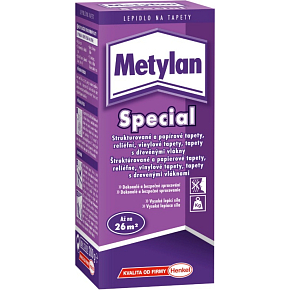
METYLAN Special – Adhesive for demanding wallpapering.

Code:
2601413
2.39 EUR
34.14EUR/1l
In stock
FavoriteCompareChloroprene adhesive that is transparent when dried. Among other uses, it can be used for gluing mirrors, foam polystyrene, and foam material in general without damaging surfaces.


Code:
04598
90%
3.77 EUR
31.42EUR/1l
In stock
FavoriteCompareFor universal contact bonding of various absorbent and non-absorbent materials, such as wood, plastics, rubber, leather, metal, glass, cork, cardboard, and many others.

Code:
04589
100%
1.51 EUR
30.2EUR/1l
In stock
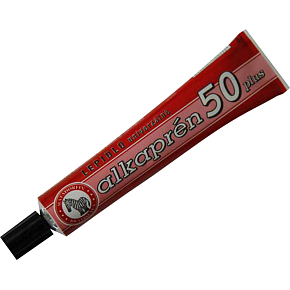
FavoriteCompareRubber toluene-free contact adhesive in light beige color, designed for bonding absorbent materials with non-absorbent ones (e.g., rubber - concrete, leather - rubber, laminate - wood).
AKCE

Code:
2501491
4.19 EUR
8.38EUR/1kg
In stock
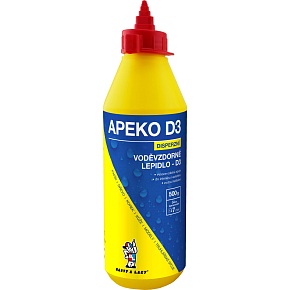
FavoriteCompareFor gluing wooden furniture (also for outdoor use), floating floors with a tongue/groove connection, parquet, and solid hardwood from both domestic and exotic species.

Code:
2503062
5.11 EUR
6.81EUR/1l
In stock
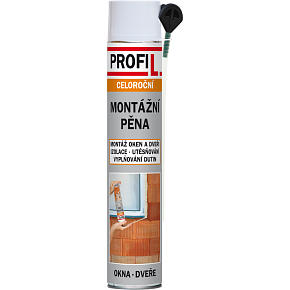
FavoriteCompareAll-season one-component expanding mounting foam ready for immediate use via a tube applicator.
Code:
2503714
7.37 EUR
153.54EUR/1kg
In stock
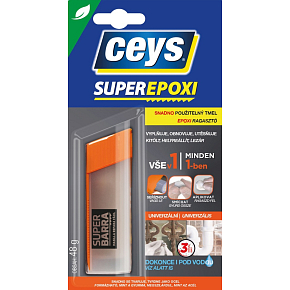
FavoriteCompareTwo-component putty, easily shapeable, designed for attaching, gluing, filling, restoring, and repairing at home. It works like modeling clay but hardens like steel, even underwater.
AKCE
Code:
2503192
4.19 EUR
279.33EUR/1l
In stock
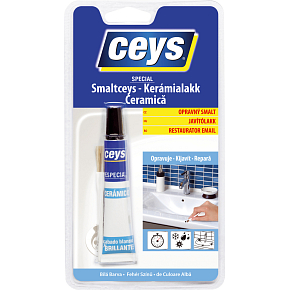
FavoriteCompareThe white enamel repair is easy to use, designed for repairing scratches, chipping, and peeling on enamel surfaces and all types of ceramic products (porcelain, stoneware, kitchens, bathrooms, sinks, bathtubs, electrical appliances, dishes, porcelain).
Code:
2503193
4.55 EUR
151.67EUR/1l
In stock
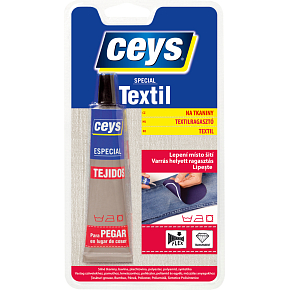
FavoriteCompareBonded materials can be washed and ironed. The adhesive ensures flexible bonding without sewing. It remains transparent after drying.

Code:
2602024
2.71 EUR
0.27EUR/1m
In stock
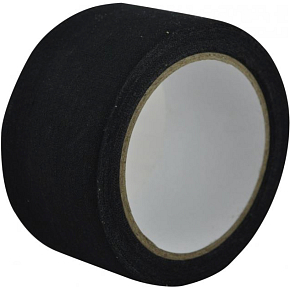
FavoriteCompareCarpet tape 48 millimeters wide and 10 meters long. Universal textile self-adhesive tape suitable for edging and joining carpets, heavy materials, with applications in packaging technology and home use.


Code:
04655
100%
1.41 EUR
40.29EUR/1kg
In stock
FavoriteComparePurocel is a universal solution adhesive of the highest quality, providing very strong bonds, especially when gluing hard and soft PVC (new PVC and synthetic leather), foam, Barex, leather, rubber, and textiles.
AKCE

Code:
2504860
1.97 EUR
7.88EUR/1kg
In stock
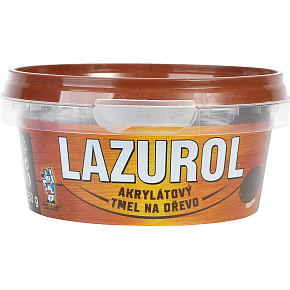
FavoriteCompareAcrylic paste filler for repairing cracks, scratches, and defects in wooden materials. Sandable, water-soluble filler designed for repairing cracks, scratches, and defects in wooden materials.
Variants of this product
Code:
2503281
5.14 EUR
In stock
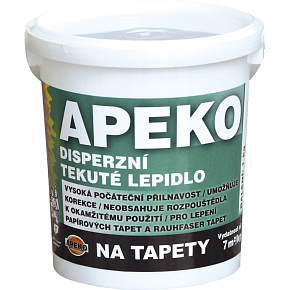
FavoriteCompareFor gluing reflective, paper, and PVC wallpapers with a paper backing in interiors on wood, metal, concrete, plasters, agglomerated wooden materials, and similar substrates.
AKCE
Code:
2501487
1.48 EUR
11.38EUR/1kg
In stock
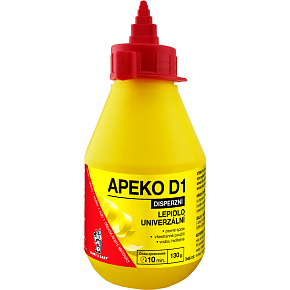
FavoriteCompareFor home, schools, offices, modeling, home workshops. Universal wood dispersion adhesive that bonds paper, wood, cork, leather, fiberboard materials, and other absorbent materials.
Code:
2501485
2.53 EUR
10.12EUR/1kg
In stock
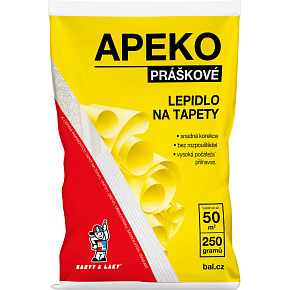
FavoriteComparePowder wallpaper adhesive with which you can cover an area of up to 50 m². For gluing wallpapers, suitable for paper wallpapers as well as an adhesive for vinyl wallpapers.
AKCE
Code:
2501669
1.76 EUR
7.04EUR/1kg
In stock
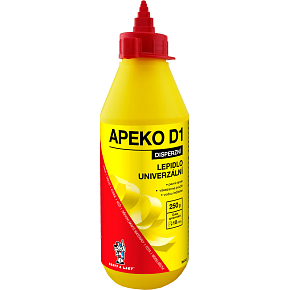
FavoriteCompareFor home, schools, offices, modeling, and home workshop. Universal water-soluble wood adhesive that glues paper, wood, cork, leather, wood fiber materials, and other absorbent materials.
AKCE
Code:
2501489
3.17 EUR
6.34EUR/1kg
In stock
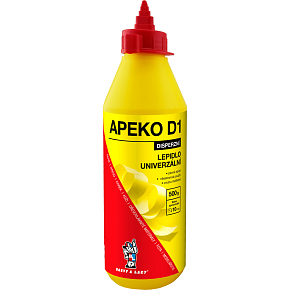
FavoriteCompareFor home, schools, office, model making, home workshops. Universal dispersion glue for wood that glues paper, wood, cork, leather, fiberboard materials, and other absorbent materials.
AKCE
Code:
2501491
4.19 EUR
8.38EUR/1kg
In stock
FavoriteCompareFor gluing wooden furniture (also for outdoor use), floating floors with a tongue/groove connection, parquet, and solid hardwood from both domestic and exotic species.
Code:
2501668
1.55 EUR
1.55EUR/1l
In stock
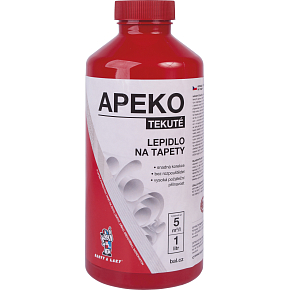
FavoriteCompareWallpaper glue for gluing reflective, paper, and PVC wallpapers with paper backing in interiors on wood, metal, concrete, plaster, engineered wood materials, and similar substrates.
AKCE
Code:
2501670
3.84 EUR
7.68EUR/1kg
In stock
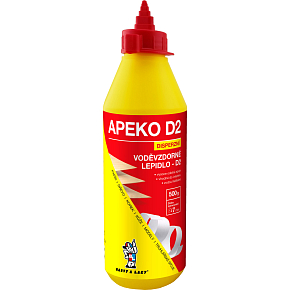
FavoriteCompareUniversal water-soluble glue for wood with extended fixing time, quick drying, forming highly strong elastic joints.
Code:
2504895
4.44 EUR
1.48EUR/1l
In stock
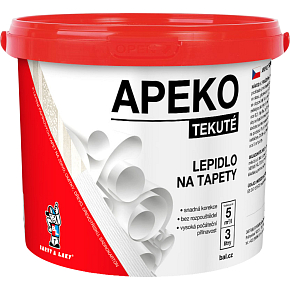
FavoriteCompareFor gluing reflective, paper, and PVC wallpapers with a paper backing indoors on wood, metal, concrete, plaster, agglomerated wooden materials, and similar substrates.


