/search_thin.svg)

/currency.svg)
/heart.svg)
/user.svg)
/cart.svg)

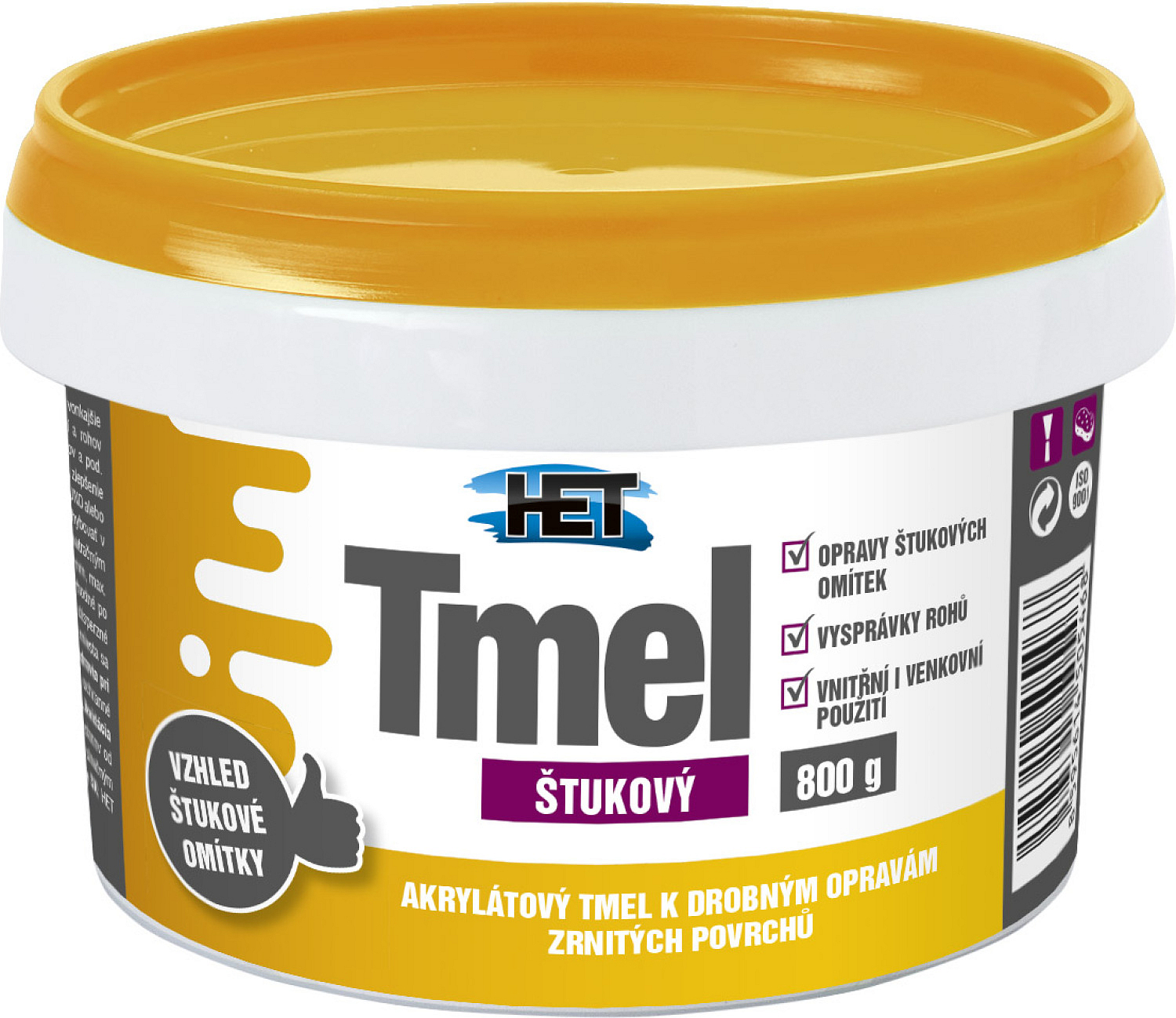
Het filler for interior and exterior plaster, 800 g
Code: 2504821In stock
Date and method of delivery
Producer:
Het, spol. s.r.o.

For indoor and outdoor use for minor repairs of gritty surfaces, primarily stucco plasters.Read more
Choose a discounted package
Quantity discounts
/envelope.svg)
Query
/bell.svg)
Watch
/share.svg)
Share
PARAMETERS
Description Het filler for interior and exterior plaster, 800 g
Acrylic filler for interior and exterior stucco plasters designed for indoor and outdoor local repairs of surfaces with a gritty texture, especially stucco. It serves to level unevenness, fill small non-expanding cracks in façade surfaces, repair plaster corners, or retouch gritty substrates. The mass is ready for direct application.
Features of Het filler for interior and exterior plaster:
- Repairs of stucco plasters,
- corner repairs,
- creation of a gritty surface,
- for interior and exterior use,
- ready for immediate use.
Usage:
Single-component paintable special filler based on acrylic that creates a surface with a gritty texture mimicking stucco plaster. Suitable for both indoor and outdoor use for minor repairs of gritty surfaces, primarily stucco plasters. For repairing unevenness, filling small non-expanding cracks on façades, repairing plaster corners, retouching repairs of gritty surfaces, etc. The filler is ready for immediate use. The product meets the requirements for surfaces that may come into indirect contact with food. It is not recommended for jointing and in places with high mechanical stress. The filled areas must not be in constant contact with water and rising moisture.
Thinner:
drinking water
Application:
With a spatula, trowel, or stainless steel float. Surface finishing with a cleaning sponge, felt, or foam.
Sanding:
Due to the presence of coarse fillers, sanding is generally not recommended; if necessary, a sanding mesh or sandpaper can be used.
Substrate:
dry, mature (pH ≤8.5; control can be performed with a pH tester), cohesive, unsalted, solid, degreased, free from dust, dirt, and loose layers, without dynamic cracks and joints, without biological contamination (mold, algae). Old coatings with poor adhesion must be removed, for example, by scraping. Remove any loose grains of sand from the plasters (by brushing and/or sanding). To enhance adhesion of the filler to the substrate, it is recommended to apply penetration A-GRUND, AT-GRUND, 100-GRUND, or UP-GRUND. Metal parts extending into the substrate must be treated with an anti-corrosive coating (e.g., AQUADECOL PRIMER paint) before filling.
Application temperature:
the temperature of the material, environment, and substrate must be between +5 and +30 °C during application and up to 24 hours (preferably 48 hours) after application. Do not apply if frost or rain is imminent.
Example of application procedure:
- Cover windows, heating elements, frames, and other adjacent elements.
- Before starting work, remove any dried layer from the packaging and mix the filler thoroughly in the entire container.
- Poorly adhering layers of original coatings must be removed, for example, by scraping.
- Apply a primer coat. For low-absorbent substrates, use UP-GRUND penetration; for more absorbent materials (such as stuccos, lime-cement or lime plasters, masonry, etc.), choose A-GRUND, 100-GRUND, or AT-GRUND products according to the instructions for use.
- After complete drying of the primer coat, apply STUCCO FILLER using a steel spatula. The recommended thickness of each layer is up to 3 mm, and the maximum permissible thickness is 5 mm for one layer. To facilitate filling the filler into cracks, it is advisable to pre-scratch them lightly.
- To minimize the visibility of transitions between stucco and the filled area, it is recommended to smooth the surface with a damp sponge, felt, or cleaning sponge after the filler starts to set slightly.
- Allow the filler to dry until fully hardened (approximately 0.5 to 12 hours, or longer; drying time significantly depends on the applied thickness, absorbency of the substrate, temperature conditions, and humidity).
- If necessary, additional layers of filler can be applied after complete drying.
- Clean tools and splattered surfaces immediately with water.
- Before applying cover paints, it is advisable to treat the repaired plaster with a primer, such as UP-GRUND, A-GRUND, AT-GRUND, or 100-GRUND, to equalize the absorbency of the substrate and the filled areas.
- Subsequently, dispersion paints can be applied to the surface. It is not suitable to use lime paints or coatings without dispersion binder on filled surfaces.
Product safety warnings (H-statements)
- EUH208: Contains (see hazardous substances). May cause an allergic reaction.
Instructions for safe handling (P-statements)
- P101: If medical advice is needed, have packaging or label of the product at hand.
- P102: Keep out of reach of children.
- P501: Dispose of contents/container according to the instructions on the product.
| Species: | ostatní |
Documents
Bezpečnostní list
/document.svg)
Katalogový list
Related products

Code:
2504868
2.12 EUR
8.48EUR/1kg
In stock
/heart.svg) Favorite
Favorite/compare.svg) Compare
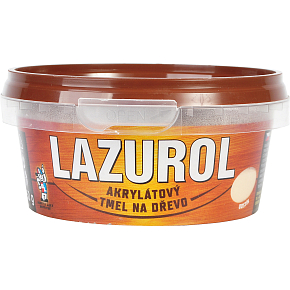
CompareAcrylic paste filler for repairing cracks, grooves, and defects in wooden materials. Sandable, water-based filler intended for repairing cracks, grooves, and defects in wooden materials.

Code:
2506478
6.68 EUR
8.91EUR/1l
In stock
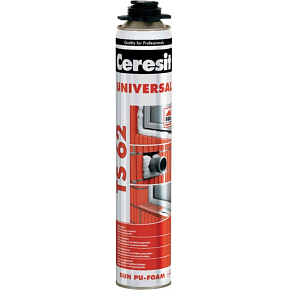
FavoriteCompareCeresit TS 62 – Universal gun mounting foam for professional use

Code:
2503419
26.34 EUR
In stock
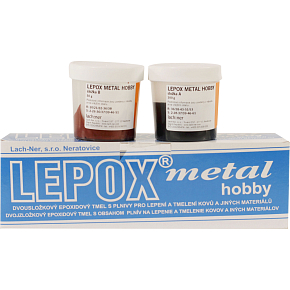
FavoriteCompareTwo-component, thin paste-like putty based on epoxy with metallic and mineral fillers for bonding, filling, and encapsulating iron, cast iron, aluminum, and its alloys, wood, ceramics, glass, concrete.

Code:
2503619
2.08 EUR
7.43EUR/1l
In stock
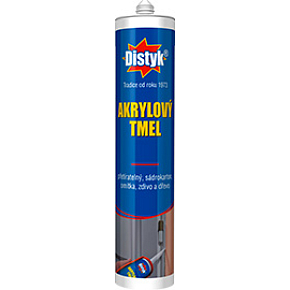
FavoriteCompareFor sealing joints between window and door frames and masonry, corner joints of drywall constructions, partition walls, chipboard panels, and wooden reinforcements, etc.

Code:
2601465
2.72 EUR
0.27EUR/1m
In stock
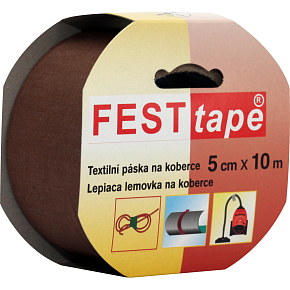
FavoriteCompareCarpet tape with a width of 48 millimeters and a length of 10 meters. Universal textile self-adhesive tape suitable for edging and joining carpets, heavy materials, and is also used in packaging technology and households.

Code:
2500048
1.66 EUR
3.32EUR/1kg
In stock
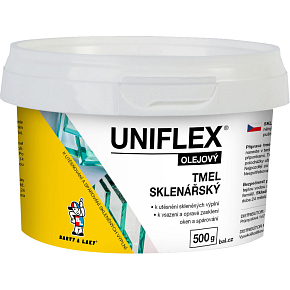
FavoriteCompareGlazing putty for repairing minor imperfections, dries within 24 hours and is paintable after 14 days. Used for sealing and securing sheet glass into wooden and metal frames.

Code:
94557
0.70 EUR
87.5EUR/1kg
In stock
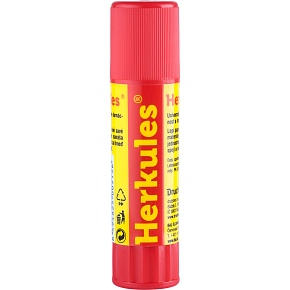
FavoriteCompareThe universal stick is particularly suitable for children, for schools, for crafts classes or for creating simple paper presentations.

Code:
2507517
3.71 EUR
0.11EUR/1m
In stock
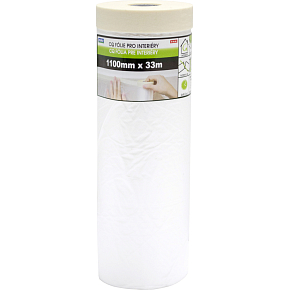
FavoriteCompareHigh-quality CQ masking tape suitable for interiors.

Code:
2504851
2.22 EUR
4.44EUR/1m
In stock
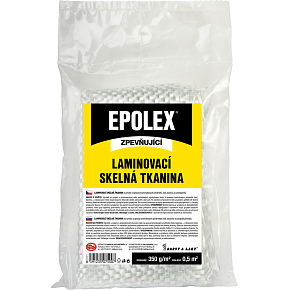
FavoriteCompareEpolex laminating glass fabric is used in conjunction with EPOLEX resin for repairing laminated objects. Glass fabrics, along with polyester resins, are used for laminating.

Code:
2502889
28.60 EUR
14.3EUR/1kg
In stock
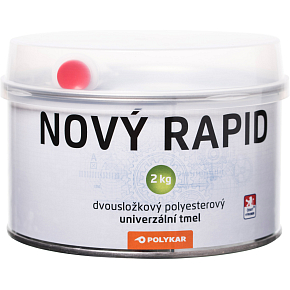
FavoriteCompareFor filling medium and large irregularities. Designed for common substrates including cast iron, aluminum, zinc, and fiberglass. Well applicable and easily sandable, without pores, usable for leveling irregularities in wood (harder types), laminates, concrete, etc.

Code:
2507655
11.28 EUR
22.56EUR/1kg
In stock
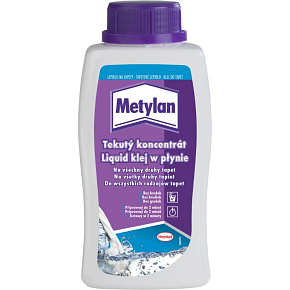
FavoriteCompareMETYLAN Easy mix – is a universal liquid concentrated adhesive for all types of wallpaper.
Code:
2504921
5.48 EUR
0.11EUR/1m
In stock
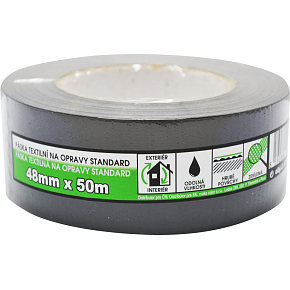
FavoriteCompareFabric tape for repairs, securing, sealing, bundling, etc. indoors and outdoors, ideal for home and workshop, very resistant to weather conditions, tearing, and aging, high adhesion to most surfaces, strongly adhesive, easily tearable
Variants of this product

Code:
2503649
40.48 EUR
3.37EUR/1kg
In stock
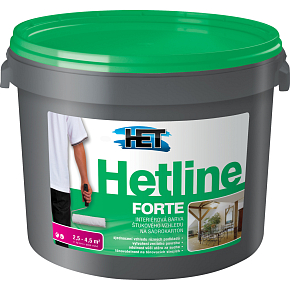
FavoriteCompareUnification of the appearance of various substrates, creation of a grainy surface, resistance to dry abrasion, high hiding power, matte finish, vapor permeability, tintability on tinting machines.
Code:
2601013
11.14 EUR
2.79EUR/1kg
In stock
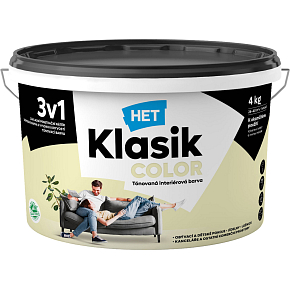
FavoriteCompareFor indoor wall and ceiling coatings, prominent coverage and spreadability, matte appearance, resistance to dry abrasion, excellent water vapor permeability.
Code:
2502832
5.73 EUR
In stock
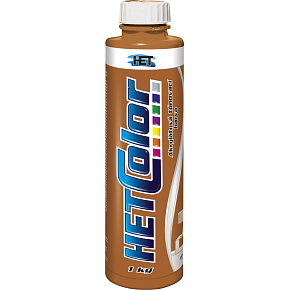
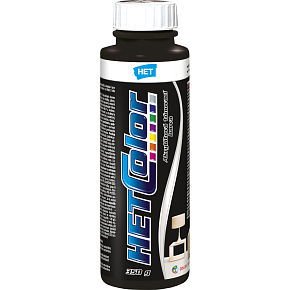
FavoriteCompareHetcolor, acrylic tinting paint - for tinting facade and interior dispersion and conventional coatings or for direct application.
Code:
2502818
3 EUR
8.57EUR/1kg
In stock
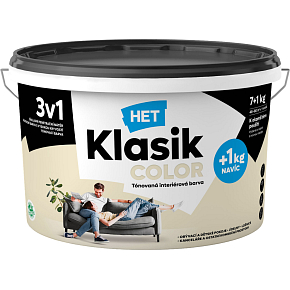
FavoriteCompareHetcolor, acrylic tinting paint - for tinting facade and interior dispersion and traditional coatings or for direct application.
Code:
2601004
18.45 EUR
2.31EUR/1kg
In stock
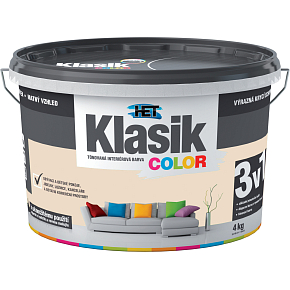
FavoriteCompareFor interior wall and ceiling coatings, significant opacity and spreadability, matte appearance, resistance to abrasion in dry conditions, excellent vapor permeability.
Code:
2503516
11.14 EUR
2.79EUR/1kg
In stock
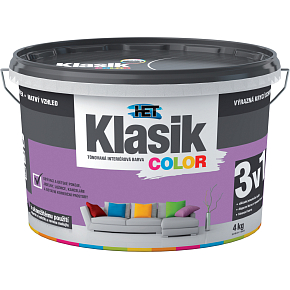
FavoriteCompareFor interior wall and ceiling coatings, significant covering ability and spreadability, matte appearance, resistance to dry abrasion, excellent vapor permeability.
Code:
2504103
11.14 EUR
2.79EUR/1kg
In stock
FavoriteCompareFor interior wall and ceiling paints, significant opacity and spreadability, matte appearance, resistance to dry abrasion, excellent vapor permeability.
Code:
2601011
11.14 EUR
2.79EUR/1kg
In stock
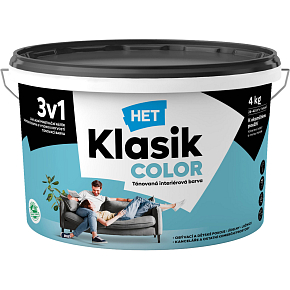
FavoriteCompareFor indoor painting of walls and ceilings, significant coverage and spreadability, matte appearance, resistance to dry abrasion, excellent vapor permeability.
Code:
2506472
19.06 EUR
1.06EUR/1kg
In stock
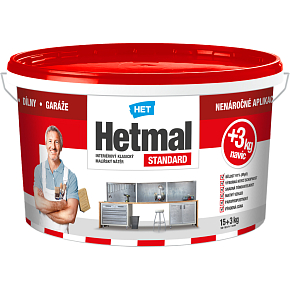
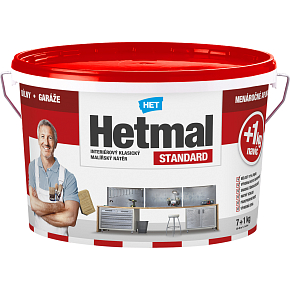
FavoriteCompareClassic liquid paint coating, white wall paint for interior wall and ceiling coatings (lime, lime-cement plasters, masonry, concrete panels, etc.).
Code:
2503437
15.38 EUR
1.92EUR/1kg
In stock
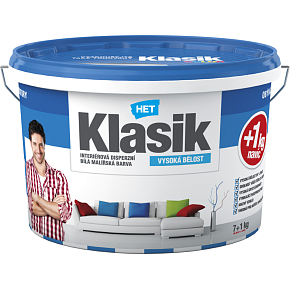
FavoriteCompareRecommended for living and commercial spaces, children's rooms, hallways, offices, sales areas. High whiteness min. 95% MgO, significant covering ability, matte appearance, resistance to dry abrasion, excellent vapor permeability, suitable for renovation coatings.
Code:
2503222
17.50 EUR
0.58EUR/1kg
In stock
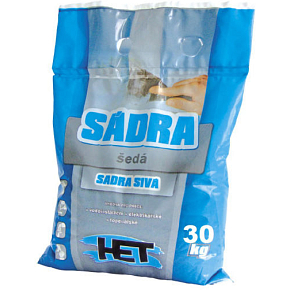
FavoriteCompareA product for filling holes and substrate irregularities - for plumbing, electrical installation, heating, modeling, and construction work.
Code:
2505487
9.97 EUR
1.25EUR/1kg
In stock
FavoriteCompareClassic liquid paint, white wall paint for interior wall and ceiling coatings (lime, lime-cement plasters, masonry, concrete panels, etc.).
Recently visited products