


Semo Cabbage Head - Pourovo Late 0.6 g
Code: 84325VYPRODÁNO
Date and method of delivery
Producer:
Semo Cz, s.r.o.

Choose a discounted package
Quantity discounts

Query

Watch

Share
PARAMETERS
Producer:
Code:
84325
ean:
8590396422101
Status:
VÝPRODEJ - SUPER CENA
Manufacturer:
Semo Cz, s.r.o.
Packaging:
10
Description Semo Cabbage Head - Pourovo Late 0.6 g
Cabbage is one of the traditional Czech vegetables. Under the name cabbage, most of us imagine head cabbage. However, it should not be overlooked that today we also consume Peking and Chinese cabbage. Head cabbage is consumed both in fresh form (salads) and cooked or fermented. In modern nutrition, the consumption of cooked cabbage is declining in favor of fresh salads. Head cabbage does not significantly differ in composition from other types of vegetables. Nine tenths of the weight of fresh cabbage is intracellular water. The remaining 10% of dry matter consists of carbohydrates (5 g), fiber (3 g), proteins (1.5 g), fats, organic acids, minerals, trace elements, and vitamins. The resulting energy value of cabbage is very low, only 20 - 25 kcal per 100 g. The differences in composition between white and red cabbage are not large. Cabbage contains many plant compounds that positively affect human health. Notably, sulforaphane is a substance confirmed to have anti-cancer effects. The fiber content also helps reduce the risk of cancerous diseases, particularly of the digestive tract. Cabbage juice is a proven remedy for treating ulcers of the stomach and duodenum. The ability to heal the damaged mucosa of the digestive tract is attributed to biotin (formerly known as vitamin U), which cabbage contains in increased amounts. Cabbage or its juice exhibits a variety of other positive effects. It has antibacterial properties, aids in expectoration, helps in forming stool bulk, is suitable for treating gout and gallstones. The high content of potassium contributes to the diuretic properties of cabbage. Overall, cabbage is a very suitable food for those with high blood pressure and cardiovascular diseases. The vitamin C content is significant, especially in fermented cabbage. Particularly in winter months, when fresh vegetables are scarce, cabbage plays a very important role in saturating the body with protective substances. Head cabbage requires fertile soils with a good supply of nutrients and high water retention. For early varieties, we choose lighter soils, while for late and storage cabbages, we choose heavier soils with a pH of 6 - 7. Cabbage is planted in the first crop. Early varieties are grown from transplanted seedlings, while late varieties can also be sown directly in the field. During the growing season, we ensure regular water supply. We harvest by hand, store at temperatures of 1 - 2°C and high humidity (95%).
Head cabbage (Brassica oleracea L. convar. capitata (L) Alef.) - Pourovo Late
Contents of the package
0.6 g (200 - 300 seeds per 1 g, HTS 3 - 5 g) - treated against fungal diseases: Yes
- The variety Pourovo Late is a high-yielding, proven variety
- It produces large, round, dark green heads
- Growing to a weight of 4 - 6 kg with a purple tinge on the outer leaves and a medium bloom
- They are firm and well-closed.
- From a denser spacing, smaller quality heads grow for direct consumption
- The variety Pourovo Late is especially suitable for shredding and direct consumption
- Also suitable for storage
Sowing method
spacing 60 x 60 cm
Growth period
170 - 190 days from sowing to harvest
Overview of sowing, planting, and harvesting times:
- sowing - April, May
- planting - May
- harvesting - October, November
Storage
The variety Pourovo Late is suitable for storage.
Procedure for storing head cabbage
We carefully harvest head cabbage with several outer covering leaves to prevent the heads from being bruised. The optimal temperature for storage is 1 to 2°C and high humidity (95%). An ideal environment for longer storage is a cool, well-ventilated cellar. Head cabbage can also be stored in a greenhouse or winter pit by placing it with root balls covered with soil. The greenhouse or pit is covered with boards, and in case of frost, with bales of compress straw, leaves, or polystyrene boards. However, before storage, large outer leaves need to be broken off. Properly stored head cabbage can last for several months (depending on the specific variety).
Related products
VÝPRODEJ - SUPER CENA


Code:
93287
100%
0.35 EUR
175EUR/1kg
In stock
 Favorite
 Compare
The plant is relatively vigorous. The leaf is smaller, lighter green, very pointed. The plant is
VÝPRODEJ - SUPER CENA

Code:
85294

0.15 EUR
150EUR/1kg
In stock
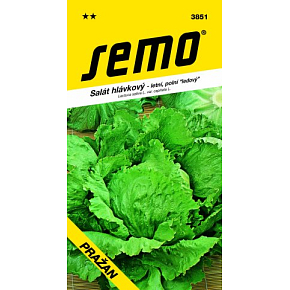
FavoriteCompareHighly resistant iceberg lettuce against bolting The head is spherical to slightly spherical Tightly
VÝPRODEJ - SUPER CENA
Code:
92643
0.35 EUR
175EUR/1kg
In stock
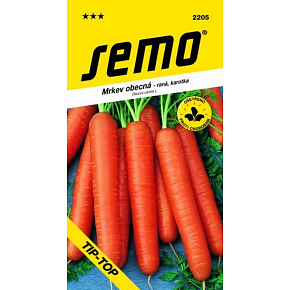
FavoriteCompareEarly Nantes type carrot intended for direct consumption from summer to autumn and for industrial processing.
VÝPRODEJ - SUPER CENA

Code:
1900036
90%
0.15 EUR
0.15EUR/1kg
In stock
FavoriteCompareLettuce head has a great taste High biological value. It is easy to digest. There are varieties with
VÝPRODEJ - SUPER CENA
Code:
85912
100%
0.63 EUR
0.02EUR/1ks
In stock
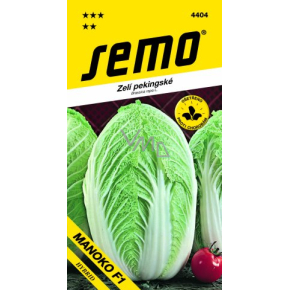
FavoriteCompareEarly variety with high resistance to bolting and excellent health Resistant to fusarium Suitable
VÝPRODEJ - SUPER CENA
Code:
85507
100%
0.29 EUR
145EUR/1kg
In stock
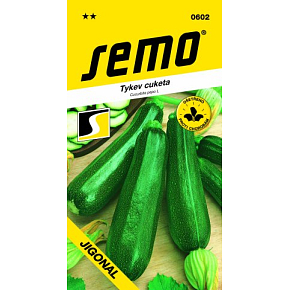
FavoriteCompareNon-hybrid variety of zucchini with larger, dark green fruits The fruits are shorter, and when overripening,
VÝPRODEJ - SUPER CENA

Code:
05334
100%
0.15 EUR
50EUR/1kg
In stock
FavoriteCompareLate yielding carrot very suitable for winter storage from early sowings in March to April. The root
VÝPRODEJ - SUPER CENA
Code:
05318
0.15 EUR
75EUR/1kg
In stock
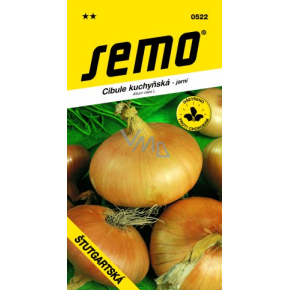
FavoriteCompareHigh-yield variety with a round shape Grown mainly from sets Direct sowing is also possible Well

Code:
2501108
6.82 EUR
6.82EUR/1kg
In stock
FavoriteCompareThis mixture is carefully blended from the highest quality grass varieties to withstand very high to extreme loads.
Code:
2400080
3.20 EUR
6.4EUR/1kg
In stock
FavoriteCompareThe exclusive low-growing type of grass seed mix is carefully composed of high-quality grass varieties to meet extreme load requirements.
VÝPRODEJ - SUPER CENA

Code:
2100426
0.35 EUR
175EUR/1kg
In stock
FavoriteCompareGenetically non-bitter, predominantly female variety, Highly resistant to cucumber powdery mildew and
VÝPRODEJ - SUPER CENA
Code:
71188
0.32 EUR
160EUR/1kg
In stock
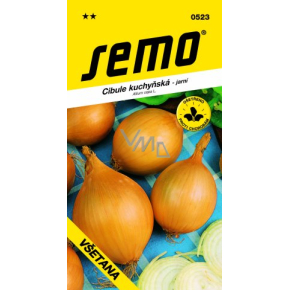
FavoriteComparevariety intended for cultivation from sets, but can also be grown from direct sowing for 10 m² we need
Variants of this product
VÝPRODEJ - SUPER CENA
Code:
85912
100%
0.63 EUR
0.02EUR/1ks
In stock
FavoriteCompareEarly variety with high resistance to bolting and excellent health Resistant to fusarium Suitable


