/search_thin.svg)

/currency.svg)
/heart.svg)
/user.svg)
/cart.svg)

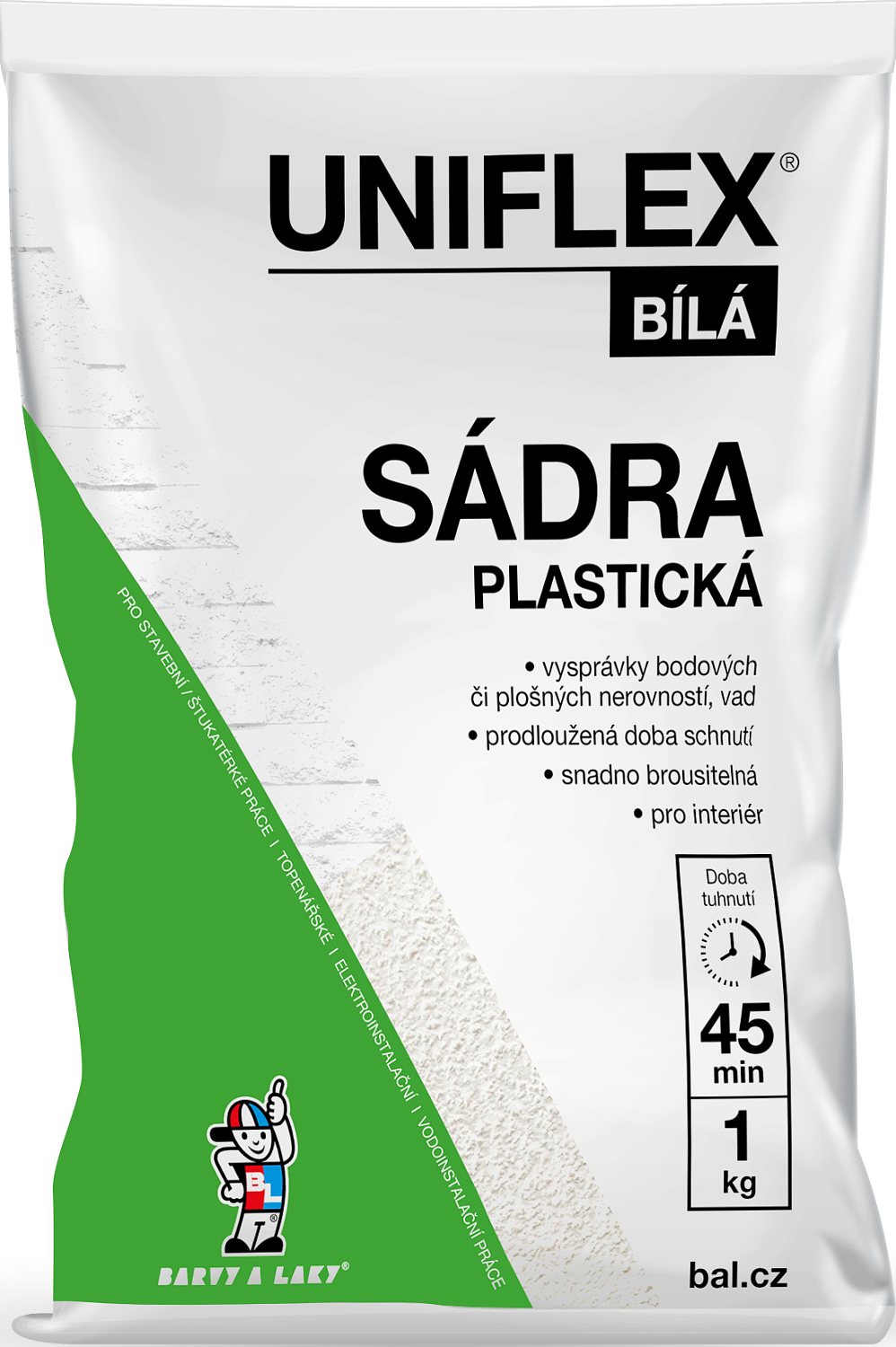
Uniflex white plastic plaster, 1 kg
Code: 2500067In stock
Date and method of delivery
Producer:
Colors and Varnishes Hostivař a.s.

Plaster for construction, plaster products, plaster jointing compounds. The substrate must be solid, load-bearing, cohesive, and free from dust and grease.Read more
Choose a discounted package
Quantity discounts
/envelope.svg)
Query
/bell.svg)
Watch
/share.svg)
Share
PARAMETERS
Producer:
Code:
2500067
ean:
8591235056532
Status:
AKCE
Packaging:
15
Species:
ostatní
Manufacturer:
Colors and Varnishes Hostivař a.s.
Description Uniflex white plastic plaster, 1 kg
PLASTIC PLASTER represents a plaster material with a longer setting time, which finds application in construction and plastering activities. It is suitable for leveling irregularities and openings in ceilings and walls (on masonry, plasters, panels, drywall, etc.) and also serves for plaster smoothing in indoor spaces. After thorough drying, the plaster repair can be easily sanded.
Working procedure for plaster:
The substrate must be solid, load-bearing, and cohesive, free from dirt and grease. Clean the application area and moisten it with water using a brush or spray. Measure 0.25 l of clean water into the plastering bowl and slowly pour in 0.5 kg of plaster. After about 1 minute of resting and soaking, mix the plaster with a spatula into a smooth mass without lumps. The consistency should resemble thick porridge. From this moment, the working time for the plaster is approximately 45 minutes. After applying the material, immediately smooth the surface with a spatula, sponge, or brush. Complete curing occurs depending on the temperature in approximately 1 hour. Use clean containers and tools during processing. Process the plaster only at ambient and substrate temperatures above 5 °C. Do not load anchored materials (anchors, etc.) for at least 12 hours.
Physical and mechanical properties of the plaster:
- Color white
- The quoted values of technical data are average (actual properties may show certain deviations).
- Bulk density 900 ± 200 kg/m3
- Initial setting time > 45 minutes
- Final setting time < 1 hour
- Grain size, R=0.2 mm < 5 %
- Mixing ratio of water to 1 kg of plaster / 0.5 l of water
- Adjusting the water-to-plaster ratio affects the properties of the prepared mixture, primarily its setting time and final strength.
Storage life:
When stored in original unopened packaging in a dry environment at a temperature of 5–30 °C, the shelf life is 24 months from the filling date stated on the package. Moisture affecting the product before processing can change its physical properties and reduce its reactivity with water. Therefore, open or damaged packages must be adequately protected from atmospheric moisture before and during processing.
Safety and health protection during work:
During work, eating, drinking, and smoking are prohibited, and personal hygiene principles must be followed. In case of eye contact, rinse thoroughly with running water for 10–15 minutes. If ingested accidentally, rinse the mouth and drink at least 0.5 l of water.
Waste disposal:
Unused product or remnants of hardened plaster should be disposed of with municipal waste.
| Species: | ostatní |
Documents
Bezpečnostní list
/document.svg)
Certifikát výrobku
Katalogový list
Related products

Code:
2504544
4.92 EUR
24.6EUR/1kg
In stock
/heart.svg) Favorite
Favorite/compare.svg) Compare
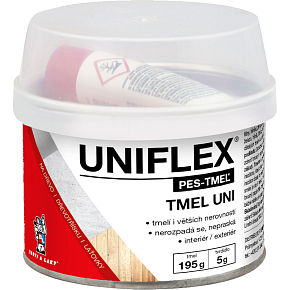
CompareUniflex filler uni is a two-component universal polyester filler designed for filling large and small irregularities. It is primarily used on metal, steel, stone, concrete, and wood.
Code:
2504493
6.65 EUR
4.16EUR/1kg
In stock
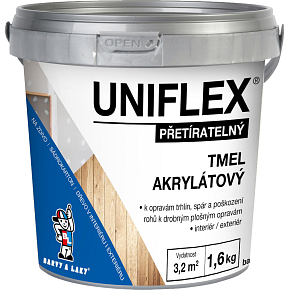
FavoriteCompareFor minor repairs of masonry, drywall, and wood in interiors and exteriors. Sealing medium and larger unevennesses.
Code:
2504499
3.65 EUR
14.6EUR/1l
In stock
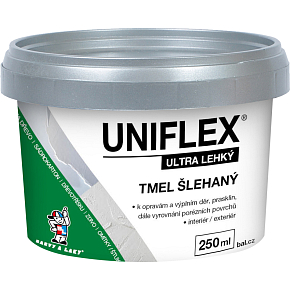
FavoriteCompareWhipped super lightweight filler that replaces plaster in many cases. Suitable for interior use. It is paintable, does not droop, does not crack, and does not shrink. It smooths very well and is sandable. It resists water and has very good adhesion to the substrate.
Code:
2504768
5.84 EUR
29.2EUR/1kg
In stock
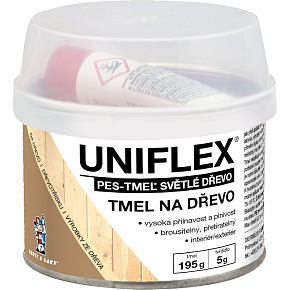
FavoriteCompareFiller or adhesive intended for filling medium and larger unevenness, excellent adhesion on most surfaces, especially on metal, steel, stone, concrete, wood, etc., paintable, for indoor and outdoor use.
Code:
2504461
10.58 EUR
0.53EUR/1kg
In stock
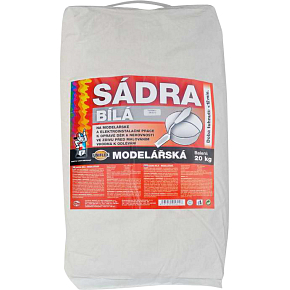
FavoriteCompareIdeal material for filling holes and irregularities in the substrate, work indoors. Plaster binder – calcium sulfate. Plaster for construction, stucco products, plastering compounds.
Code:
2504494
2.16 EUR
5.4EUR/1kg
In stock
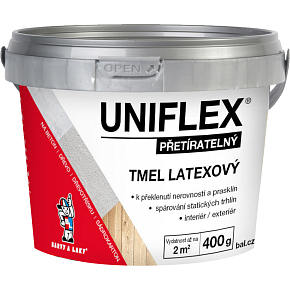
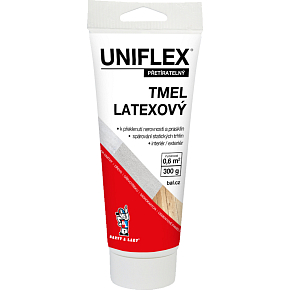
FavoriteCompareUsed for leveling minor irregularities and cracks in walls (plasters, masonry, panels, particle boards, wood, drywall, etc.) and sealing static cracks both indoors and outdoors. The sealant is applied with a spatula or trowel.
Code:
2504872
5.17 EUR
2.59EUR/1kg
In stock
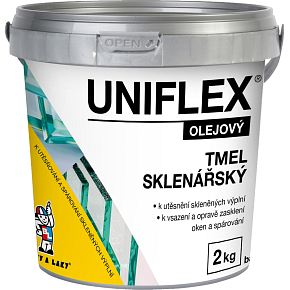
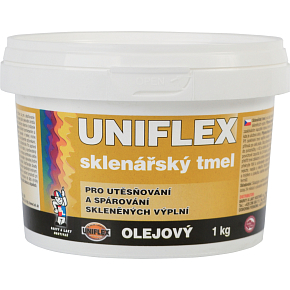
FavoriteCompareGlazing putty for repairing minor imperfections, dries within 24 hours and can be repainted after 14 days. For sealing and securing glass panes into wooden and metal frames.
Code:
2504870
3.18 EUR
10.6EUR/1kg
In stock
FavoriteCompareIt is used for leveling small irregularities and cracks in walls (plasters, masonry, panels, particleboards, wood, drywall, etc.) and for sealing static cracks both in interiors and exteriors. The sealant is applied with a spatula or trowel.
Code:
2500049
2.76 EUR
2.76EUR/1kg
In stock
FavoriteCompareGlazier's putty for repairing small irregularities, dries within 24 hours and is paintable after 14 days. For sealing and securing sheet glass into wooden and metal frames.
Code:
2501766
2.33 EUR
0.78EUR/1kg
In stock
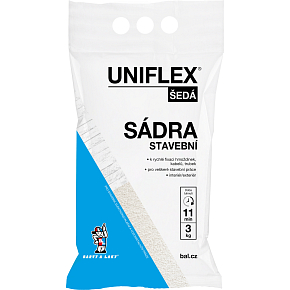
FavoriteCompareIdeal material for filling holes and irregularities in the substrate, interior work. Gypsum binder – calcium sulfate. Plaster for construction, stucco products, gypsum joint compounds.
Code:
2500050
1.91 EUR
1.27EUR/1kg
In stock
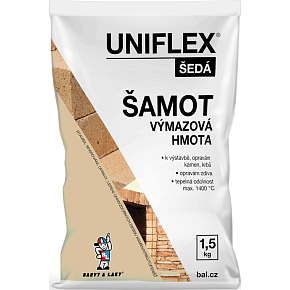
FavoriteCompareChamotte filling compound is used in the construction, repair, and grouting of fireplaces and stoves, as well as for gluing lightweight fireproof boards, mats, and chamotte slabs and elements to ceramic and metal substrates.
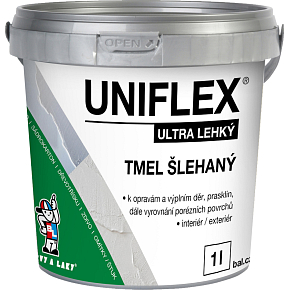
Code:
2504501
10.02 EUR
In stock
FavoriteCompareWhipped super lightweight filler that often replaces plaster in many cases. Suitable for interior use. It can be overcoated, does not run, does not crack, does not shrink. It smooths out very well and is sandable. It is water-resistant and has very good adhesion to the substrate.
Variants of this product
Code:
2504461
10.58 EUR
0.53EUR/1kg
In stock
FavoriteCompareIdeal material for filling holes and irregularities in the substrate, work indoors. Plaster binder – calcium sulfate. Plaster for construction, stucco products, plastering compounds.
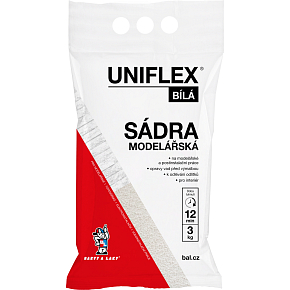
Code:
2500234
2.33 EUR
0.78EUR/1kg
In stock
FavoriteCompareIdeal material for filling holes and irregularities in the substrate, interior work. Plaster binder – calcium sulfate. Plaster for construction, stucco products, plaster joint compounds.
AKCE
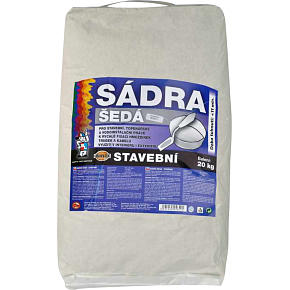
Code:
2504462
10.58 EUR
0.53EUR/1kg
In stock
FavoriteCompareIdeal material for filling holes and uneven substrates, interior work. Plaster binder - calcium sulfate. Plaster for construction, stucco products, plaster jointing compounds.
Code:
2501766
2.33 EUR
0.78EUR/1kg
In stock
FavoriteCompareIdeal material for filling holes and irregularities in the substrate, interior work. Gypsum binder – calcium sulfate. Plaster for construction, stucco products, gypsum joint compounds.
AKCE
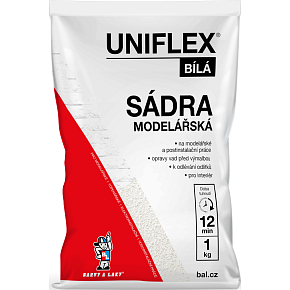
Code:
2500066
0.67 EUR
0.67EUR/1kg
In stock
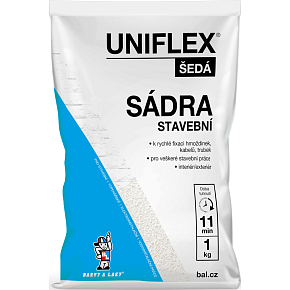
FavoriteCompareIdeal material for filling holes and unevenness in the substrate, indoor work. Gypsum binder – calcium sulfate. Plaster for construction, stucco products, gypsum grouting compounds.
AKCE
Code:
2500068
0.78 EUR
0.78EUR/1kg
In stock
FavoriteCompareIdeal material for filling holes and uneven substrates, work in interiors. Gypsum binder – calcium sulfate. Gypsum for construction, stucco products, gypsum joint compounds.
Code:
2504496
2.16 EUR
5.4EUR/1kg
In stock
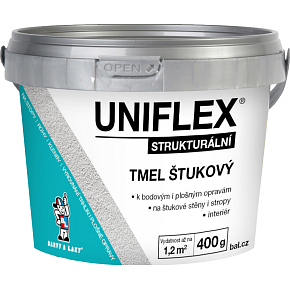
FavoriteCompareFor most surfaces on metal, steel, stone, concrete, wood, etc., paintable, for indoor and outdoor use.
Code:
2504501
10.02 EUR
In stock
FavoriteCompareWhipped super lightweight filler that often replaces plaster in many cases. Suitable for interior use. It can be overcoated, does not run, does not crack, does not shrink. It smooths out very well and is sandable. It is water-resistant and has very good adhesion to the substrate.

Code:
2504500
5.87 EUR
11.74EUR/1l
In stock
FavoriteCompareWhipped super lightweight paste that replaces plaster in many cases. Suitable for interior use. It is paintable, does not sag, crack, or shrink. It is very easy to smooth and can be sanded. It withstands water and has very good adhesion to the substrate.
Code:
2504499
3.65 EUR
14.6EUR/1l
In stock
FavoriteCompareWhipped super lightweight filler that replaces plaster in many cases. Suitable for interior use. It is paintable, does not droop, does not crack, and does not shrink. It smooths very well and is sandable. It resists water and has very good adhesion to the substrate.
Code:
2504502
3.75 EUR
4.69EUR/1kg
In stock
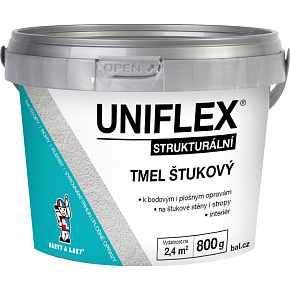
FavoriteCompareFor most surfaces such as metal, steel, stone, concrete, wood, etc., paintable, for indoor and outdoor use.
Code:
2504858
3.25 EUR
10.83EUR/1kg
In stock
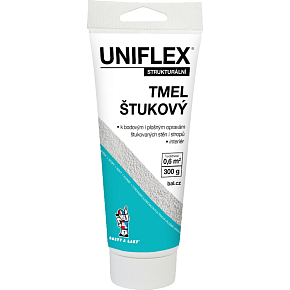
FavoriteCompareFor most surfaces on metal, steel, stone, concrete, wood, etc., paintable, for indoor and outdoor use.