/search_thin.svg)

/currency.svg)
/heart.svg)
/user.svg)
/cart.svg)

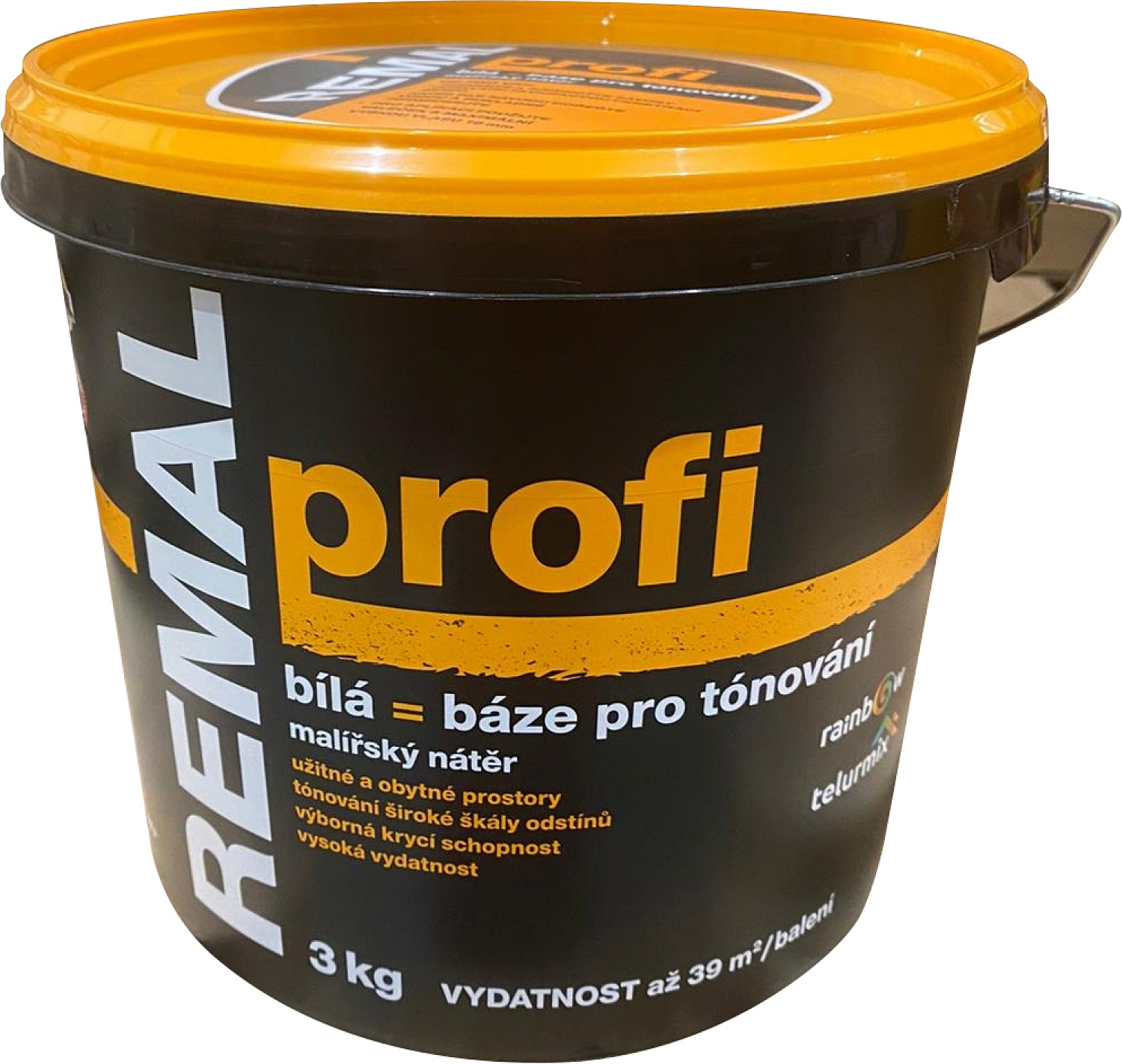
REMAL Profi painting color for drywall and renovation plasters, 3 kg
Code: 2504396In stock
Date and method of delivery
Producer:
Colors and Varnishes Hostivař a.s.

It covers excellently, is breathable, wash-resistant, and has a high whiteness of 91%. It is used for painting plasters, concrete, drywall, cement boards, particle board, and renovation plasters in interiors. A suitable color for drywall.Read more
Choose a discounted package
Quantity discounts
/envelope.svg)
Query
/bell.svg)
Watch
/share.svg)
Share
PARAMETERS
Producer:
Code:
2504396
ean:
8591235023091
Status:
Species:
ostatní
Manufacturer:
Colors and Varnishes Hostivař a.s.
Description REMAL Profi painting color for drywall and renovation plasters, 3 kg
REMAL Profi is a water-soluble painting color suitable as a color for drywall. Due to its specific formulation, it features high coverage and wash resistance. It excellently covers, is breathable, wash-resistant, and has a high whiteness of 91%. It is used for painting plasters, concrete, drywall, cement boards, particle board, and renovation plasters in interiors. The color for drywall demonstrates wash resistance – measured according to ČSN EN ISO 11998 – class 5. (classification according to EN 13300).
The REMAL Profi coating with increased durability and natural whiteness is a suitable color for drywall not only in offices. REMAL Profi color for drywall is also used as a base for tinting in the TELURMIX tinting system.
Properties of the painting color for drywall:
- color for drywall suitable for utility and residential spaces
- tinting in stores to a wide range of shades
- traditional Czech white wall color REMAL
- wash-resistant coating
- high coverage
- high hiding power
- highly breathable wall color
- easy to process
- easily washable wall color
- wash resistance class 5
- coverage up to 13 m²/1 kg in one coat
- designed for tinting in the tinting system TELURMIX
- can also be tinted with REMAL tinting color or REMAKOL
It is manufactured in a non-standardized white shade. Designed for tinting in the TELURMIX tinting system. Red and orange shades may be limited in color fastness under certain application conditions (unripe substrate with high pH) or conditions in the object (UV radiation) due to the chemical composition of the red pigment.
Procedure for painting with REMAL color:
Before painting, remove layers of old and non-adhering coatings. Treat mold-infested areas with the REMAL Sanal renovation agent for masonry V1406 as instructed. For absorbent substrates, treat with REMAL universal primer, and for non-adhering and crumbling substrates, treat with REMAL deep primer. This will remove dust, strengthen the surface, unify absorbency, and ensure the adhesion of the coating. The drying time is 4 hours. For preventive anti-mold effects, REMAL anti-mold deep primer can be used. Level uneven spots on the wall with REMAL putty. For problematic areas (leaked spots, etc.), it is advisable to use REMAL isolation coating Flek-strop.
Thin the anti-mold color in a ratio of max. 0.4 l of water to 1 kg of color. Then thoroughly mix the anti-mold color. Apply with a brush, roller, or spray in 2 layers, applying the next layer of anti-mold color after the previous one has dried, at least after 4 hours. The optimal temperature for applying anti-mold color is 15 to 25 °C. The temperature of the substrate and environment must not drop below 5 °C during application. For uniform areas, use a product from the same batch, mix different batches together before use.
You might find useful
covering material, such as paper adhesive tape or covering film, or possibly sandpapers. Don't forget brushes, rollers, applicators, and spatulas.
How often to paint?
It is generally recommended to paint approximately every 4 to 5 years. However, if you have small children or pets in the household, for hygienic and aesthetic reasons it is advisable to repaint approximately every 2 years.
Product safety warnings (H-sentences)
- EUH208: Contains (see hazardous substances). May cause allergic reactions.
- H412: Harmful to aquatic organisms, with long-lasting effects.
Safe handling instructions (P-sentences)
- P273: Avoid release to the environment.
- P280: Wear protective gloves/protective clothing/protective eyewear/face shield.
- P501: Dispose of contents/container in accordance with the product instructions.
| Species: | ostatní |
Documents
Bezpečnostní list
/document.svg)
Certifikát výrobku
Prohlášení o shodě
Katalogový list
Related products

Code:
2504612
245.23 EUR
13.62EUR/1l
In stock
/heart.svg) Favorite
Favorite/compare.svg) Compare
CompareThe product is applied in one layer using air and pressure airless applicators, or other suitable application techniques with the possibility of using a masking stencil.
AKCE

Code:
2502808
12.88 EUR
4.29EUR/1kg
In stock
FavoriteCompareFacade paint for outdoor coatings of lime, lime-cement, and břízolit plasters, plasters with acrylic binders, masonry, for decorative coatings of vertical concrete structures, etc.

Code:
2504130
8.41 EUR
22.43EUR/1l
In stock
FavoriteCompareThe paint is primarily intended for decorative coatings of blacksmith products where an attractive 'forged' appearance is required.

Code:
2506708
5.49 EUR
10.98EUR/1l
In stock
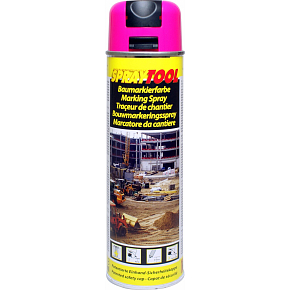
FavoriteCompareBranding spray for professional construction marking for construction and engineering projects, construction sites, and road construction.


Code:
2508067
5.59 EUR
In stock
FavoriteCompareQuick-drying marking spray Max Color is primarily used for work marking on construction sites, durin

Code:
2500602
36.07 EUR
9.02EUR/1l
In stock
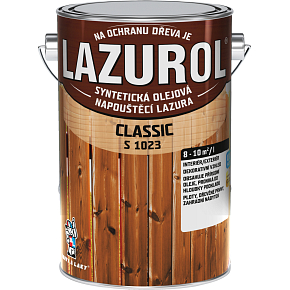
FavoriteCompareFor protective staining coatings on soft and hardwood exposed to weather conditions, as well as for interior applications. It protects wood from UV radiation. It contains natural oil.
AKCE

Code:
2504447
49.23 EUR
9.85EUR/1kg
In stock
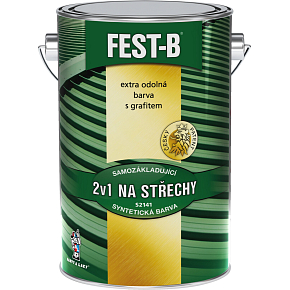
FavoriteCompareFor single-layer outdoor protective coatings of metal roofing, gutters, steel structures, and other metal objects exposed to permanent weather conditions and solar radiation.
AKCE

Code:
2500617
10.17 EUR
13.56EUR/1l
In stock
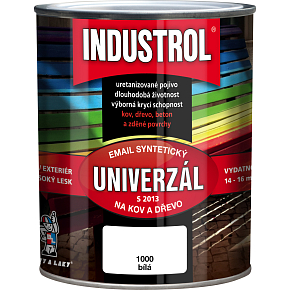
FavoriteCompareFor top glossy coatings of metals, wood, and materials such as masonry for outdoor and indoor use. Excellent coverage, high gloss, very good weather resistance.
Code:
2502743
36.07 EUR
9.02EUR/1l
In stock
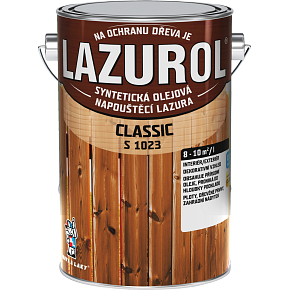
FavoriteCompareFor protective staining of soft and hardwood exposed to weather effects and for indoor applications. It protects wood from the effects of UV radiation. It contains natural oil.

Code:
2502722
12.98 EUR
In stock
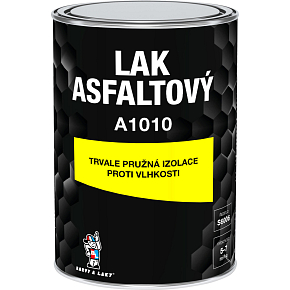
FavoriteCompareFor protective coatings of steel, cast iron, wood, concrete, various pits, and plaster against moisture. It is intended for waterproofing of structural constructions with permanent flexibility.

Code:
2507280
23.05 EUR
0.92EUR/1kg
In stock
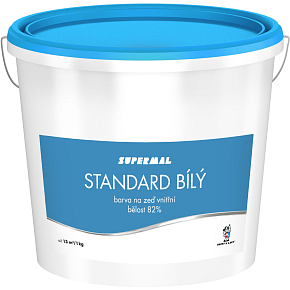
FavoriteCompareSupermal Standard is a water-based interior paint suitable for white coatings on walls and ceilings.

Code:
2505683
126.99 EUR
10.58EUR/1kg
In stock
FavoriteCompareFor single-layer outdoor protective coatings of metal roofing sheets, gutters, steel structures, and other metal objects exposed to the permanent effects of weather conditions and sunlight.
Variants of this product

Code:
2504605
14.74 EUR
3.69EUR/1kg
In stock
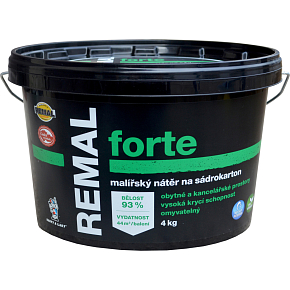
FavoriteCompareSpecial washable dispersion paint for coating drywall panels, which can also be used for coating plaster, concrete, cetris boards, particle board, etc., in interiors. Provides excellent coverage, is breathable, washable, and has a high whiteness of 93%.
Code:
2503727
8.76 EUR
1.17EUR/1kg
In stock
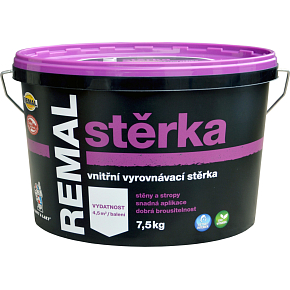
FavoriteCompareSandable snow-white. Leveling and decorative filler for indoor use. It is used for fully leveling minor wall irregularities (plaster, brickwork, drywall, etc.) in interiors.
AKCE
Code:
2504772
17.56 EUR
5.49EUR/1kg
In stock
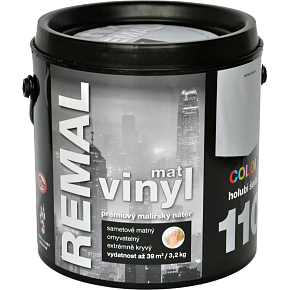
FavoriteCompareWashable wall paint with a velvet matte finish, excellent opacity, and abrasion resistance. Washable paint for painting walls and ceilings indoors on plaster, drywall, and other substrates.
Code:
2500209
19.67 EUR
1.31EUR/1kg
In stock
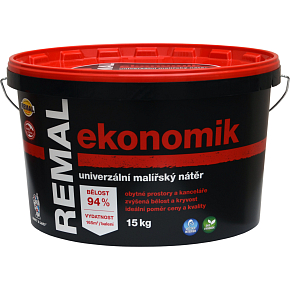
FavoriteCompareDispersion, satin-matte, whiteness 94 %. Paint with optically enhanced whiteness, covering ability, and high vapor permeability. Used for painting plasters, concrete, drywall, cement board, chipboard, and repair plasters in interiors. Made from natural
Code:
2500205
2.57 EUR
3.21EUR/1kg
In stock
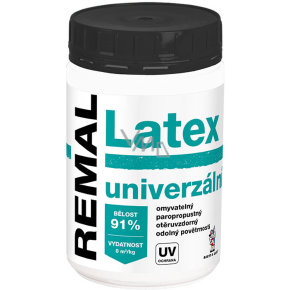
FavoriteCompareLatex coating for outdoor and indoor use. For indoor and outdoor coatings of wood, particle boards, and fiberboards, masonry, plasters, cement boards. Environmentally friendly product.
Code:
2506077
7.11 EUR
17.78EUR/1kg
In stock
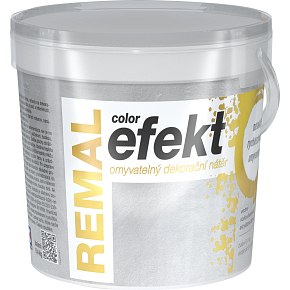
FavoriteCompareDecorative painting color with a metallic and pearlescent appearance for modern design decoration using various painting techniques such as brush or roller painting, spraying, stippling with a sponge, and using painting stencils.
Code:
2502067
9.92 EUR
1.98EUR/1kg
In stock
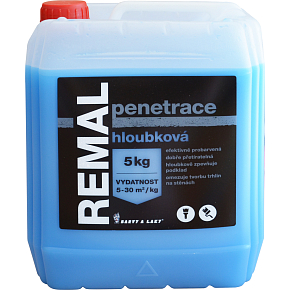
FavoriteCompareDeep penetration for unifying the substrate and its absorbency before coatings of internal plasters or facades, gluing tiles and pavings, leveling floors with self-leveling compounds, local repairs of substrate concrete, etc.
Code:
2506081
7.46 EUR
18.65EUR/1kg
In stock
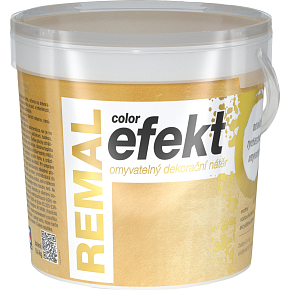
FavoriteCompareDecorative painting paint with a metallic and pearlescent appearance for modern designs using various painting techniques such as brush or roller painting, spraying, dabbing with a sponge, and using painting stencils.
Code:
2504527
19.88 EUR
1.99EUR/1kg
In stock
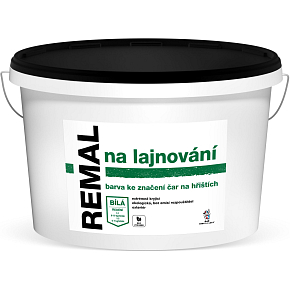
FavoriteCompareLine marking paint is designed for marking lines on outdoor courts and sports areas. For marking lines on sports surfaces in outdoor areas.
Code:
2503273
13.20 EUR
2.64EUR/1kg
In stock
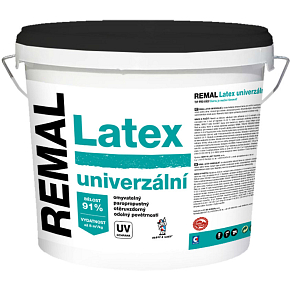
FavoriteCompareLatex coating for outdoor and indoor use. For indoor and outdoor coatings of wood, chipboards, fiberboards, masonry, plasters, cetris boards. Eco-friendly product.
Code:
2504606
10.38 EUR
2.6EUR/1kg
In stock
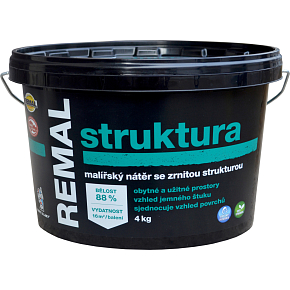
FavoriteCompareWater-soluble painter's paint with coarse grain texture up to 0.5 mm. It is mainly used to imitate the appearance of plaster layers, for painting plasters, concrete, drywall, cement boards, particleboard, etc. in interiors.
Code:
2503716
56.83 EUR
1.42EUR/1kg
In stock
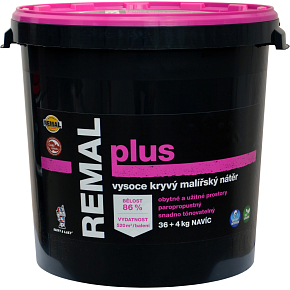
FavoriteCompareTintable paint, dispersion, abrasion-resistant, vapor-permeable, whiteness 86%, white. Highly covering paint recommended for coatings of living and utility spaces.
Recently visited products