/search_thin.svg)
/currency.svg)
/heart.svg)
/user.svg)
/cart.svg)
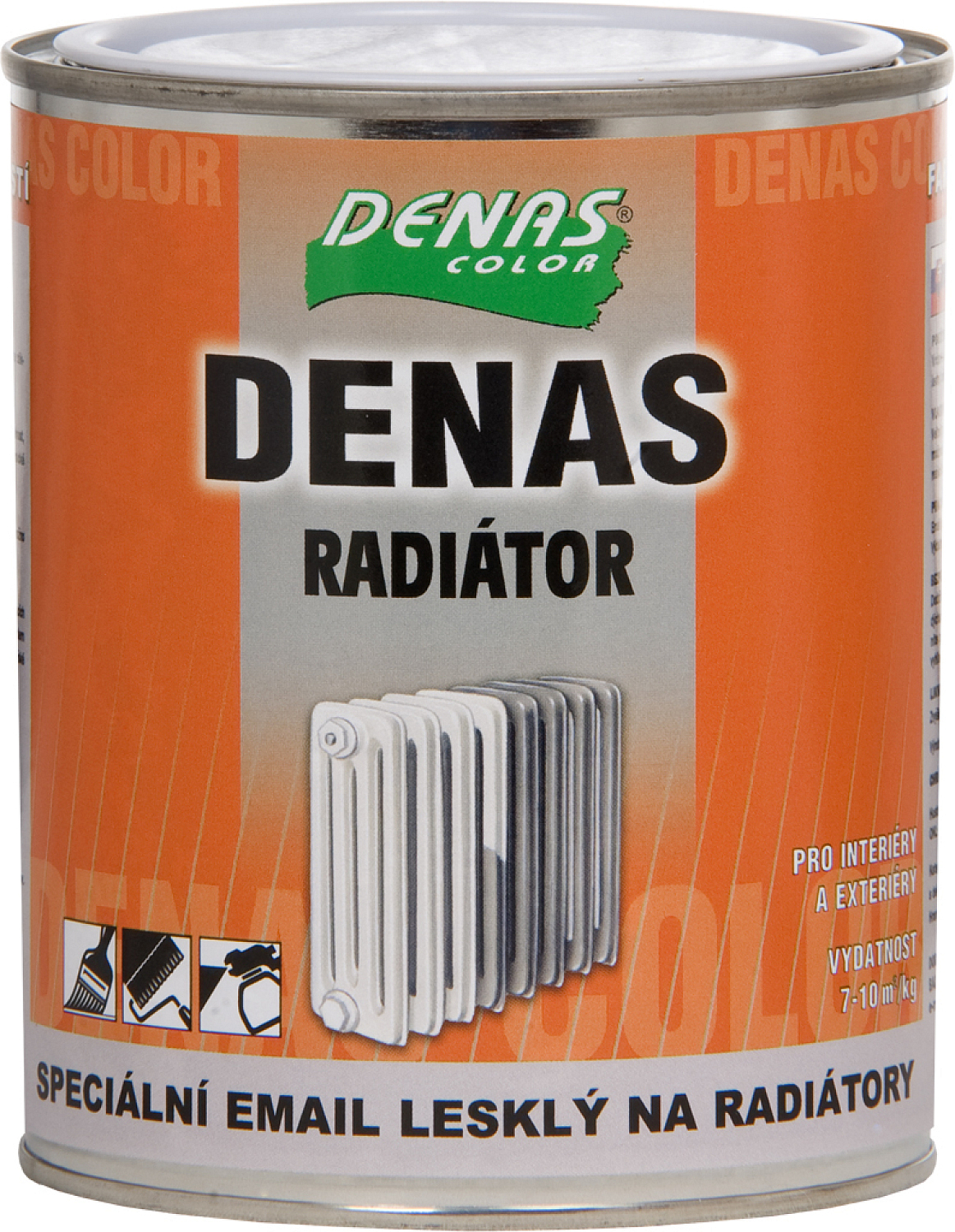
DENAS RADIATOR fast-drying paint, 0603 ivory, 700 g
Code: 2503757In stock
Date and method of delivery
Producer:
Denas Color

Special water-dilutable fast-drying paint for radiators for topcoats of metal hot water bodies and copper pipes. The paint dries quickly, has high coverage, does not yellow, and is resistant to temperatures up to 120 °C.Read more
Choose a discounted package
Quantity discounts
/envelope.svg)
Query
/bell.svg)
Watch
/share.svg)
Share
PARAMETERS
Producer:
Code:
2503757
ean:
8592474003172
Status:
AKCE
Color:
Ivory
Species:
ostatní
Manufacturer:
Denas Color
Description DENAS RADIATOR fast-drying paint, 0603 ivory, 700 g
DENAS RADIATOR is a water-dilutable paint for topcoats of heating bodies of hot water heating and for copper pipelines. The coatings are glossy, non-yellowing, easy to maintain, and resistant to temperatures up to +120 °C. Radiator paint can be applied to heating that is up to +40 °C with excellent coverage, flow, quick drying, and excellent adhesion even on old synthetic paints, making it suitable for both new and renovation coatings. In interior spaces, DENAS RADIATOR can be used as a universal paint for various substrates.
Properties of radiator paint:
- radiator paint
- for interior use
- mechanically durable paint
- heat-resistant up to 120 °C
- dries quickly
- glossy, non-yellowing
- excellent coverage and flow
- suitable for both new and renovation coatings
- also for copper pipelines
General composition of radiator paint:
Mix of acrylic dispersion, pigments, fillers, and special additives.
You may find protective materials, such as paper adhesive tape or protective foil, possibly sanding papers. Don't forget brushes and rollers.
Application process for radiator paint:
The substrate must be dry, free from dirt, non-adhering layers of older coatings, and grease. New metal heating bodies or rusted spots on old bodies must first be treated with a basic anti-corrosion primer; we recommend DENAS FOR METAL-PRIMER or DENAS FOR METALS 2IN1. The top coat with DENAS RADIATOR paint is applied with a brush or roller in 1-2 coats without thinning. When air spraying, the paint can be diluted with 5% water, always with a minimum interval of 2 hours between individual coats. The air and substrate temperature during application and drying must not drop below +10 °C and humidity below 70%.
Coverage of radiator paint:
7-10 m²/kg for one coat.
Packaging of radiator paint:
Plastic or metal containers weighing 0.7 kg, 2.5 kg, 10 kg, 20 kg.
Shades of radiator paint:
Available in shades 0100 white, 0603 ivory, and others according to RAL, NCS, ČSN colour samples or in shades as agreed.
Safety and hygiene of radiator paint:
Follow personal hygiene principles. Ensure ventilation of the workplace. When applying by spraying, use respiratory protection. If the skin is contaminated, wash the affected area with water and soap. In case of eye contact, rinse with water. If ingested, rinse the mouth with water; do not induce vomiting. If health issues arise, seek medical treatment.
Waste disposal:
Dispose of leftover paints and contaminated containers as hazardous waste in accordance with applicable regulations. The product retains useful properties in its original unopened container for at least until the date indicated on the lid/cap.
Density:
1.2–1.3 g/cm3; VOC: 0.04 kg/kg; TOC: 0.02 kg/kg; ONL: 30–35% by volume; Category VŘNH: A/d – Interior/exterior coating materials for wood, metal, or plastics for equipment and facade cladding. Highest permissible value of VOC content (g/l): 130; Max. VOC content in the product in ready-to-use state (g/l): 52.
| Color: | Ivory |
| Species: | ostatní |
Documents
Bezpečnostní list
/document.svg)
Katalogový list
Related products

Code:
2503352
10.85 EUR
2.71EUR/1kg
In stock
/heart.svg) Favorite
Favorite/compare.svg) Compare
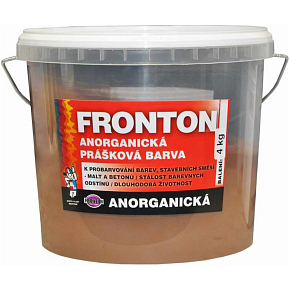
CompareFronton powdered color is used for tinting painting colors and other building or mineral materials in interiors and exteriors. The color shades are permanent and have a long lifespan.

Code:
2502833
3 EUR
8.57EUR/1kg
In stock
FavoriteCompareHetcolor, acrylic tinting color - for tinting facade and interior dispersion as well as classic coatings or for direct application.

Code:
2504128
16.15 EUR
26.92EUR/1l
In stock
FavoriteCompareThe paint is characterized by excellent mechanical properties, high opacity and UV resistance, excellent plasticity, very quick drying, and high gloss.

Code:
2506430
5.69 EUR
18.97EUR/1kg
In stock
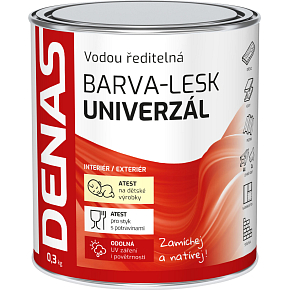
FavoriteCompareGlossy universal water-based top coat for metal, wood, concrete, galvanized surfaces, copper, and drywall. Most commonly used for finishing doors, frames, railings, cladding, garden furniture, metal roofs, etc.
Code:
2503984
11.38 EUR
16.26EUR/1kg
In stock
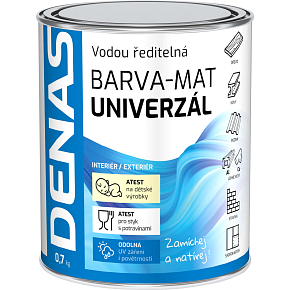
FavoriteCompareMatte universal water-dilutable top coat for metal, wood, concrete, galvanized steel, copper, and drywall.
AKCE

Code:
2500640
13.25 EUR
17.67EUR/1l
In stock
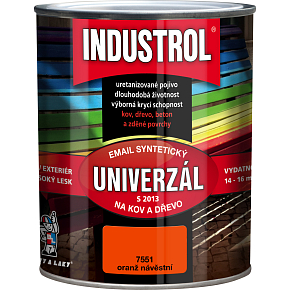
FavoriteCompareFor glossy topcoats on metals, wood, and materials such as masonry for outdoor and indoor use. Excellent coverage, high gloss, very good weather resistance.

Code:
2502702
37.10 EUR
12.37EUR/1kg
In stock
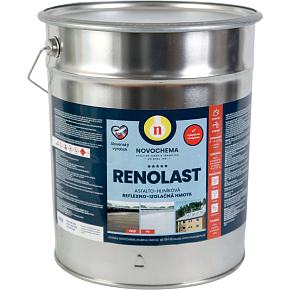
FavoriteCompareUsed as a reflective insulating coating material for finishing roofing based on bitumen and metal, for coatings of masonry, concrete, wood, and some plastic materials, where in addition to the insulating and preserving effect, sunlight reflection is also required.
 Free
Free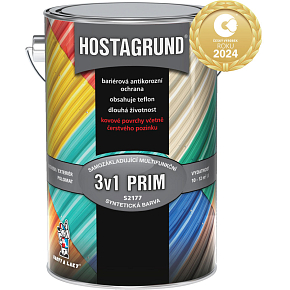

Code:
2505495
74.73 EUR
18.68EUR/1l
In stock
FavoriteCompareMultifunctional base and top anti-corrosive semi-matt paint. Ideal for coatings of steel materials and oxidized galvanized surfaces such as roofs, metal structures, masts, fences, poles, gates, etc.
AKCE

Code:
2504776
17.63 EUR
5.51EUR/1kg
In stock
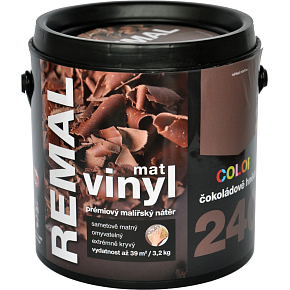
FavoriteCompareWashable wall paint with a velvet matte appearance, excellent covering ability, and abrasion resistance. Washable paint for painting walls and ceilings indoors on stucco, drywall, and other substrates.


Code:
2503699
3.25 EUR
21.67EUR/1l
In stock
FavoriteCompareSpecial spray, suitable especially for decorations. Wherever it is necessary to emphasize the noble touch of gold.
AKCE
Code:
2507335
8.44 EUR
11.25EUR/1l
In stock
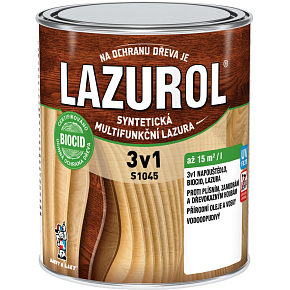
FavoriteCompareThe thin-layer stain LAZUROL 3v1 is designed for long-term preventive chemical surface protection of wood.
Code:
2503755
11.13 EUR
15.9EUR/1kg
In stock
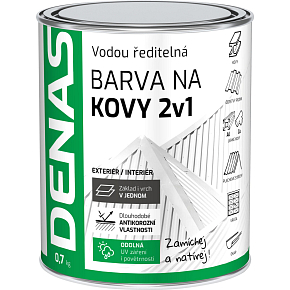
FavoriteCompareSelf-priming anti-corrosive water-based paint for all metals. Surface treatment of metal structures, roofs, roofing elements, and fresh galvanizing, gutters, window sills, garage doors, fences.
Variants of this product
Code:
2503119
9.22 EUR
7.68EUR/1kg
In stock
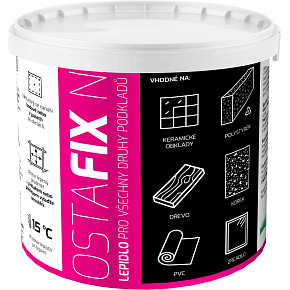
FavoriteCompareDispersion thin-layer adhesive of pasty consistency. Used for bonding ceramic coverings and tiles, ceilings, cladding boards and moldings made of expanded polystyrene and polyurethane, wood, PVC and rubber floor coverings, gypsum castings, and claddings.

Code:
2501979
19.86 EUR
7.94EUR/1kg
In stock
FavoriteCompareWater-dilutable walkable dispersion paint for concrete. Economically advantageous, washable 2-in-1 paint with a base.
Code:
2504006
13.60 EUR
19.43EUR/1kg
In stock
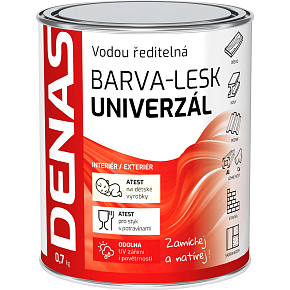
FavoriteCompareGlossy universal water-soluble top coat for metal, wood, concrete, galvanized steel, copper, and drywall. The most common finishes for doors, frames, railings, cladding, garden furniture, metal roofs, etc.
Code:
2506430
5.69 EUR
18.97EUR/1kg
In stock
FavoriteCompareGlossy universal water-based top coat for metal, wood, concrete, galvanized surfaces, copper, and drywall. Most commonly used for finishing doors, frames, railings, cladding, garden furniture, metal roofs, etc.
Code:
2503983
11.38 EUR
16.26EUR/1kg
In stock
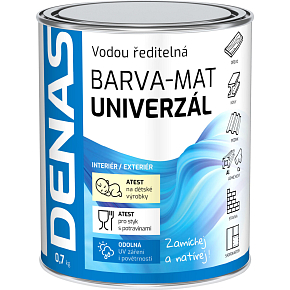
FavoriteCompareMatte universal water-based top coat for metal, wood, concrete, galvanized steel, copper, and drywall.
Code:
2507433
11.38 EUR
16.26EUR/1kg
In stock
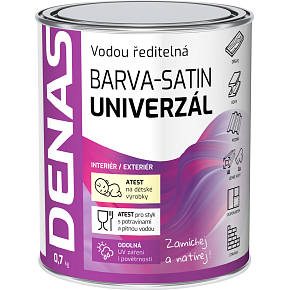
FavoriteCompareSemi-matte water-based topcoat for coatings of structural elements and constructions made of wood, metal, construction materials, fresh galvanized sheet metal, galvanized roofing tiles, aluminum, certain types of plastics, laminate, ceramic tiles, etc.
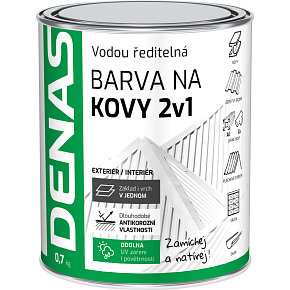
Code:
2503753
11.13 EUR
15.9EUR/1kg
In stock
FavoriteCompareSelf-priming anti-corrosion water-based paint for all metals. Surface treatments of metal constructions, roofs, sheet metal elements, fresh galvanizing, gutters, window sills, garage doors, fences.
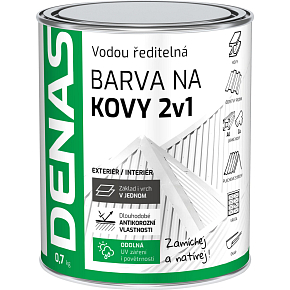
Code:
2503752
11.13 EUR
15.9EUR/1kg
In stock
FavoriteCompareSelf-priming anti-corrosive water-based paint for all metals. Surface finishing of metal structures, roofs, roofing elements, fresh galvanizing, gutters, sills, garage doors, fences.
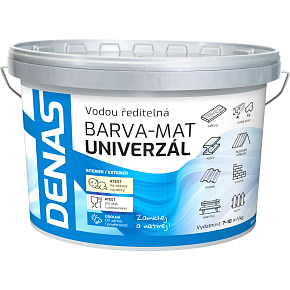
Code:
2507256
100%
49.08 EUR
9.82EUR/1kg
In stock
FavoriteCompareShade 0120 roof anthracite in a 5 kg package. Matte universal water-based top coat for metal, wood, concrete, galvanized steel, copper, and drywall.
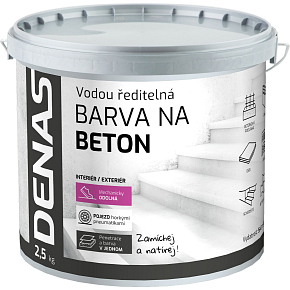
Code:
2506448
29.40 EUR
11.76EUR/1kg
In stock
FavoriteCompareTopcoat water-dilutable paint for concrete in interiors and exteriors. Coatings for concrete, cement bonded and fiber cement boards, and silicate substrates.
Code:
2504086
49.08 EUR
9.82EUR/1kg
In stock
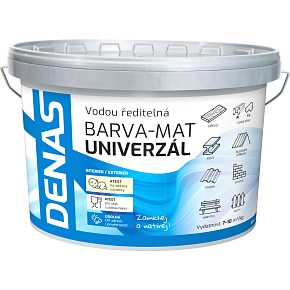
FavoriteCompareMatte universal water-dilutable topcoat for metal, wood, concrete, galvanized steel, copper, and drywall.
Code:
2500298
8.20 EUR
11.71EUR/1kg
In stock
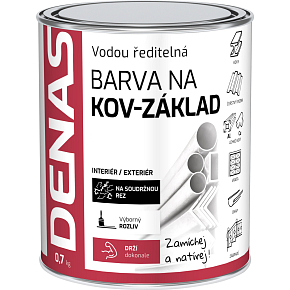
FavoriteCompareBasic anti-corrosive protection for iron, aluminum, copper, galvanized surfaces on metal roofs and construction. Water-based paint for metals for interior and exterior use.
Recently visited products