/search_thin.svg)

/currency.svg)
/heart.svg)
/user.svg)
/cart.svg)
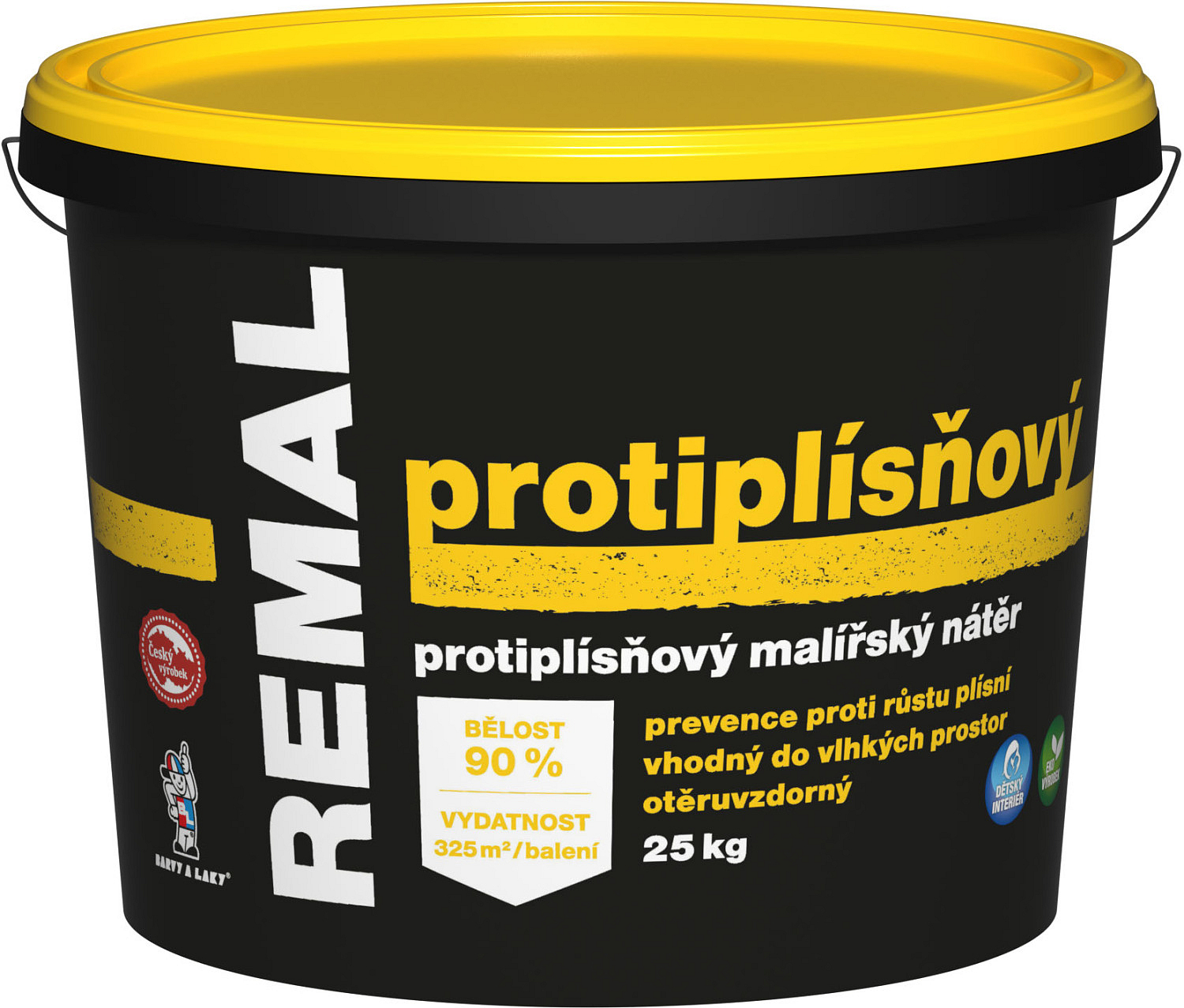
REMAL Anti-Mold Paint, 25 kg
Code: 2508534In stock
Date and method of delivery
Producer:
Colors and Varnishes Hostivař a.s.

Anti-mold breathable paint for interiors with an effect against the growth of molds such as Penicillium glaucum, Chaetomium globosum, Aspergilus niger, Alternaria tenuis, Aureobasidium pullutans, Scletophona pityophila.Read more
Choose a discounted package
Quantity discounts
/envelope.svg)
Query
/bell.svg)
Watch
/share.svg)
Share
PARAMETERS
Producer:
Code:
2508534
ean:
8591235036459
Status:
Species:
ostatní
Manufacturer:
Colors and Varnishes Hostivař a.s.
Description REMAL Anti-Mold Paint, 25 kg
Are you looking for a way to solve mold on the wall? The REMAL ANTI-MOLD paint is a water-based anti-mold paint for walls with a preventive effect that prevents the growth of molds such as Penicillium glaucum, Chaetomium globosum, Aspergilus niger, Alternaria tenuis, Aureobasidium pullutans, and Scletophona pityophila. The maximum preventive effectiveness of the anti-mold paint is also ensured against fungi, yeasts, algae, and bacteria.
Anti-mold wall paint REMAL offers excellent coverage, vapor permeability, abrasion resistance, and has a high whiteness of 90%. The REMAL coating is intended for anti-mold coatings of plaster mixes, concrete, drywall, and cement boards in interiors. The mold-resistant paint shows abrasion resistance when wet – measured according to ČSN EN ISO 11998 – class 5. (classification according to EN 13300). Use the anti-mold paint safely.
Warning for mold-resistant paint:
Always use biocidal preparations safely. Always read the label and product information before use.
Properties of the anti-mold paint for walls:
- solve mold on the wall
- anti-mold paint against mold, fungi, yeasts, algae, and bacteria
- traditional Czech white wall paint REMAL
- prevention against mold growth
- suitable for damp areas
- highly breathable wall paint
- easy to process
- washability class 5
- coverage up to 13 m²/1 kg in one coat
- for tinting, use REMAL liquid tinting paint or REMAKOL
- whiteness 90%
- the amount of active substances in the anti-mold paint IPBC (ES 259-627-5) is 3.3 g/kg of product
Application procedure for REMAL paint:
Before painting, remove layers of old and non-adhering coatings. Treat areas affected by mold with the sanation agent REMAL Sanal for masonry V1406 according to the instructions. Treat absorbent substrates with REMAL universal primer, and treat non-cohesive and crumbling substrates with REMAL deep penetration primer. This will remove dust, strengthen the surface, unify absorbency, and ensure paint adhesion. The drying time is 4 hours. For preventive anti-mold effect, you can use REMAL anti-mold deep penetration primer. Level unevenness on the wall with REMAL Filler. For problematic spots (leaked stains, etc.), it is advisable to use the sealing coat REMAL Stain-Ceiling.
Dilute the mold-resistant paint at a maximum ratio of 0.4 l of water per 1 kg of paint. Then mix the mold-resistant paint thoroughly. Apply with a brush, roller, or spray in 2 layers; apply another layer of mold-resistant paint after the previous one has dried, at least after 4 hours. The optimal temperature for painting the mold-resistant paint is 15 to 25 °C. The temperature of the substrate and environment must not drop below 5 °C during application. For consistent areas, use a product from the same batch; mix different batches together before use.
You might find useful
covering tools, such as paper adhesive tape or protective film, possibly sanding paper. Don’t forget about brushes, rollers, spatulas, and knives.
How often to paint?
It is usually recommended to paint approximately every 4 to 5 years. However, if you have small children or pets at home, it is advisable for aesthetic and hygienic reasons to perform a new coat approximately every 2 years.
Product safety warnings (H-statements)
- EUH208: Contains (see hazardous substances). May cause an allergic reaction.
- H412: Harmful to aquatic organisms, with long-term effects.
Instructions for safe handling (P-statements)
- P273: Avoid release into the environment.
- P501: Dispose of contents/container according to product instructions.
| Species: | ostatní |
Documents
Bezpečnostní list
/document.svg)
Certifikát výrobku
Prohlášení o shodě
Katalogový list
Related products

Code:
2503294
1.66 EUR
6.64EUR/1kg
In stock
/heart.svg) Favorite
Favorite/compare.svg) Compare
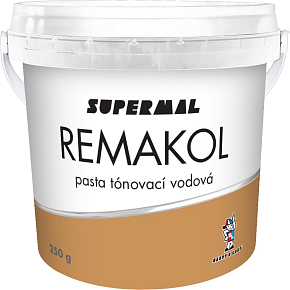
CompareUsed for tinting painter's and latex paints for indoor use. Some shades can be used on acrylic and silicone paints.

Code:
2503267
3.65 EUR
In stock
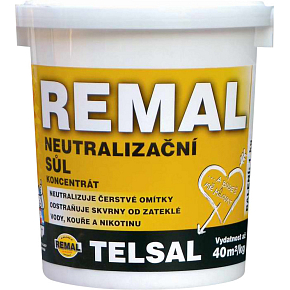
FavoriteCompareNeutralizing salt for wall stains. The product is designed to neutralize fresh dried plasters against efflorescence of water-soluble salts and lime from plasters and to remedy colored stains from smoke, nicotine, and water ingress.

Code:
2504015
7.75 EUR
20.67EUR/1l
In stock
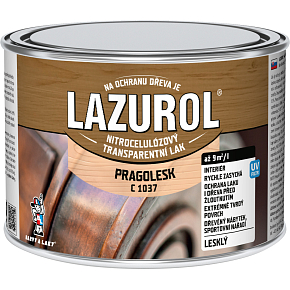
FavoriteCompareThe varnish is intended for clear glossy, hard coatings of wood in indoor environments, such as furniture, sports equipment, and small wooden items.
AKCE

Code:
2503925
14.23 EUR
18.97EUR/1l
In stock
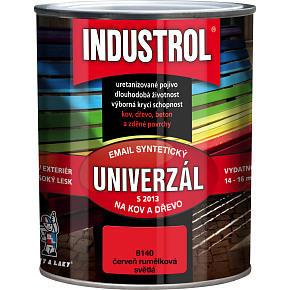
FavoriteCompareFor glossy topcoats of metals, wood, and materials such as masonry for outdoor and indoor use. Excellent coverage, high gloss, very good weather resistance.

Code:
2503063
134.66 EUR
8.98EUR/1kg
In stock
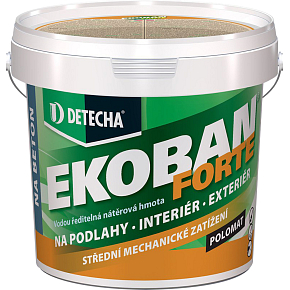
FavoriteCompareWater-dilutable coating for concrete and other absorbent materials subjected to medium mechanical loads. The coating is flexible with very good adhesion to the substrate.

Code:
2504117
12.71 EUR
21.18EUR/1l
In stock
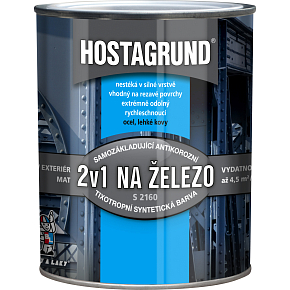
FavoriteCompareBase and top synthetic coating for iron. Intended for the production of single-layer outdoor coatings for steel structures, such as masts, bridges, chassis, and fences, exposed to direct weather conditions.
AKCE

Code:
2503252
8.67 EUR
12.39EUR/1kg
In stock
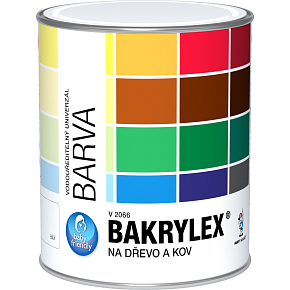
FavoriteCompareWater-based, universal covering enamel for indoor and outdoor coatings of wood, particle board, masonry, paper, metal, etc. It provides excellent coverage and withstands weather conditions.
Code:
2503495
3.36 EUR
In stock
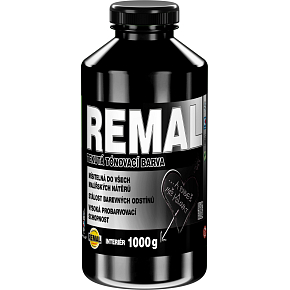
FavoriteCompareTinting color for coloring painting colors for interiors, selected shades also for coloring acrylic and silicone facade paints for exteriors.
AKCE

Code:
2505680
9.80 EUR
12.25EUR/1kg
In stock
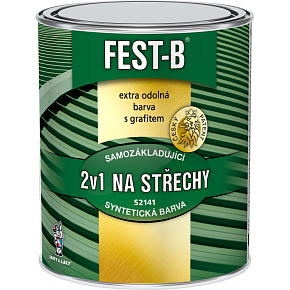
FavoriteCompareFor single-layer outdoor protective coatings for metal roofing, gutters, steel structures, and other metal objects exposed to permanent weather effects and sunlight.
Code:
2503428
49.87 EUR
9.97EUR/1kg
In stock
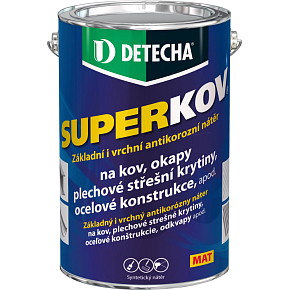
FavoriteCompareAnti-corrosive synthetic paint intended for the surface treatment of metallic materials and for their effective protection against corrosion.
AKCE

Code:
2502711
37.69 EUR
7.54EUR/1kg
In stock
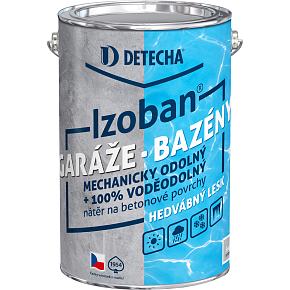
FavoriteCompareFor concrete. 100% waterproof, resistant to oils, salt solutions, weak acids and bases, short-term diesel fuel. Mechanically resistant. Tolerates permanent thermal load up to +50 °C.
 Free
Free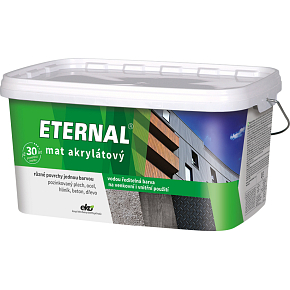

Code:
2502775
56.94 EUR
11.39EUR/1kg
In stock
FavoriteCompareEternal mat, silk-matt, highly durable paint for coatings on building elements and structures made of galvanized sheet metal even without prior oxidation, metal, non-walkable concrete and wood, aluminum, copper.
Variants of this product
AKCE
Code:
2504785
19.29 EUR
6.03EUR/1kg
In stock
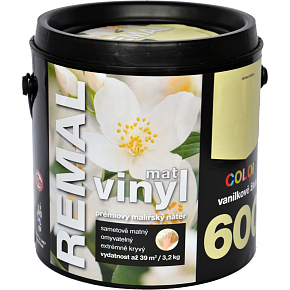
FavoriteCompareWashable wall paint with a velvet matte appearance, excellent coverage, and abrasion resistance. Washable paint for painting walls and ceilings indoors on plasterboard, plaster, and other substrates.
Code:
2500224
1.87 EUR
7.48EUR/1kg
In stock
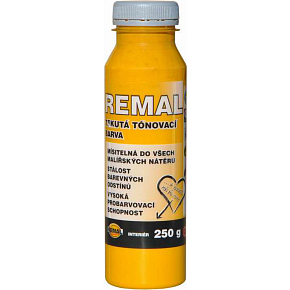
FavoriteCompareTinting color for coloring painting colors for interiors, selected shades also for coloring acrylic and silicone facade paints for exteriors.
Code:
2503495
3.36 EUR
In stock
FavoriteCompareTinting color for coloring painting colors for interiors, selected shades also for coloring acrylic and silicone facade paints for exteriors.
AKCE
Code:
2504778
19.29 EUR
6.03EUR/1kg
In stock
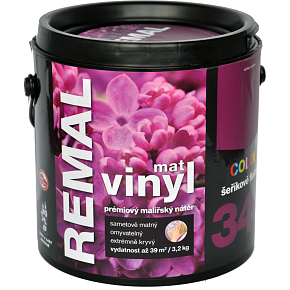
FavoriteCompareWashable wall paint with a velvety matte appearance, excellent opacity, and abrasion resistance. Washable paint for painting walls and ceilings in interiors on plaster, drywall, and other substrates.
Code:
2503481
3 EUR
6EUR/1kg
In stock
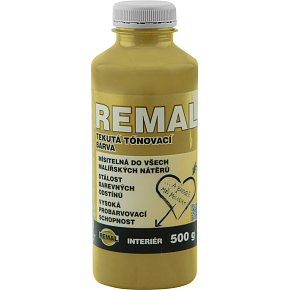
FavoriteCompareTinting color for coloring paint for interiors, selected shades also for coloring acrylic and silicone facade paints for exteriors.
Code:
2503719
26.86 EUR
1.07EUR/1kg
In stock
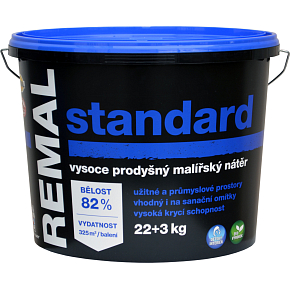
FavoriteCompareRemal Standard, highly breathable paint. It is recommended for coatings in utility and industrial spaces. It is used for painting walls and ceilings indoors on plasters, drywall, and other substrates.
Code:
2503706
14.12 EUR
1.88EUR/1kg
In stock
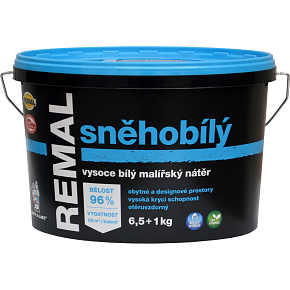
FavoriteCompareFor painting residential and design spaces. Used for painting walls and ceilings indoors on plaster, drywall, and other substrates. REMAL Snow White is a water-based paint with high whiteness.
Code:
2505256
14.97 EUR
2.5EUR/1kg
In stock
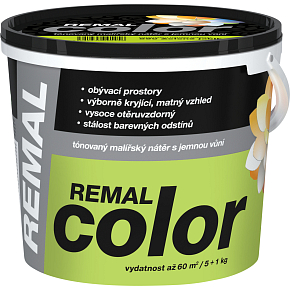
FavoriteCompareWater-dilutable tinted paint with a pleasant scent in attractive shades.
Code:
2503268
2.97 EUR
3.71EUR/1kg
In stock
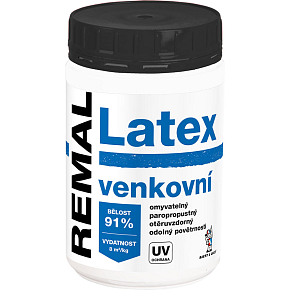
FavoriteCompareFor interior and exterior coatings of building materials such as masonry, wood, particle boards, and wood fiber boards, and paper. It is washable, with high whiteness and good coverage.
Code:
2503703
12.21 EUR
1.63EUR/1kg
In stock
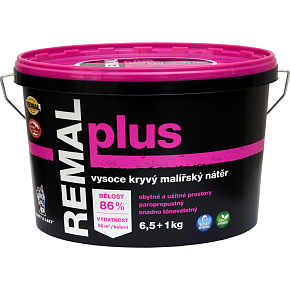
FavoriteCompareTintable paint, dispersive, abrasion-resistant, vapor permeable, whiteness 86%, white. Highly covering paint recommended for coatings in residential and utility areas.
Code:
2503480
2.97 EUR
5.94EUR/1kg
In stock
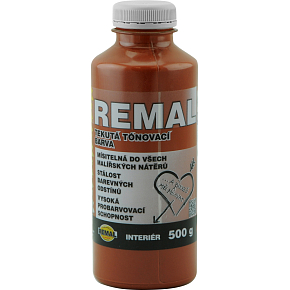
FavoriteCompareTinting color for coloring painting colors for interiors, selected shades also for tinting acrylic and silicone facade paints for exteriors.
Code:
2505045
14.97 EUR
2.5EUR/1kg
In stock
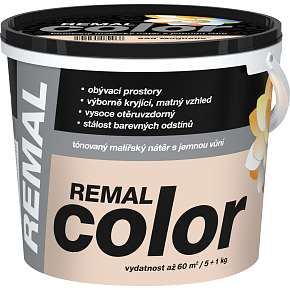
FavoriteCompareWater-based toned painter’s paint with a pleasant scent in attractive shades.