/search_thin.svg)

/currency.svg)
/heart.svg)
/user.svg)
/cart.svg)

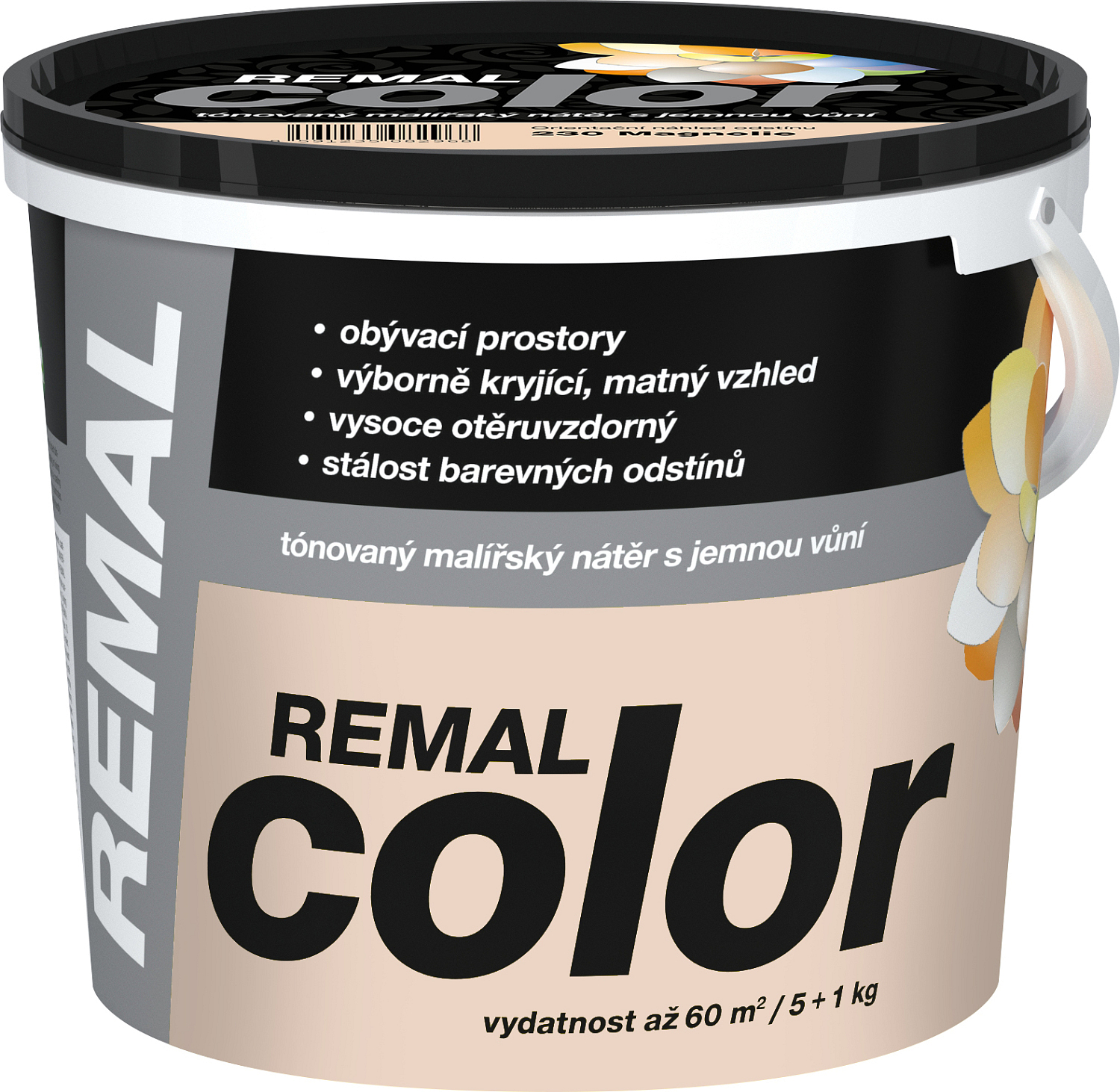
REMAL Color paint for walls 270 Cappuccino, 5 + 1 kg
Code: 2505045In stock
Date and method of delivery
Producer:
Colors and Varnishes Hostivař a.s.

Water-based toned painter’s paint with a pleasant scent in attractive shades.Read more
Choose a discounted package
Quantity discounts
/envelope.svg)
Query
/bell.svg)
Watch
/share.svg)
Share
PARAMETERS
Producer:
Code:
2505045
ean:
8591235082982
Status:
AKCE
Species:
ostatní
Manufacturer:
Colors and Varnishes Hostivař a.s.
Description REMAL Color paint for walls 270 Cappuccino, 5 + 1 kg
REMAL Color offers a water-based toned painter’s paint with a pleasant scent in attractive shades. It is recommended for painting walls and ceilings indoors, on plasters including remediation plasters, drywall, and other substrates. It is very easy to work with.
This easily washable interior paint exhibits abrasion resistance after 28 days – class 5. (measured according to ČSN EN ISO 11998, classified according to EN 13300).
Key features of Remal Color paint:
- living spaces
- excellent coverage
- matte appearance
- highly abrasion-resistant
- color shade stability
- suitable for walls, ceilings, plasters, concrete, and drywall indoors
- highly breathable wall paint
- vapor-permeable wall paint
- easy to apply
- coverage up to 10 m²/kg in one layer
Example of wall painting procedure for REMAL Color:
Before painting, remove layers of old and non-adhering coatings. Treat absorbent substrates with REMAL universal primer, and treat non-adhering and crumbling substrates with REMAL deep primer. This step will remove dust from the substrate, strengthen it, unify its absorbency, and ensure adherence of the coating. The drying time is 4 hours. Even out wall unevenness with REMAL Putty.
The coating can be diluted by up to 10% water depending on the application method. Then mix well. Apply with a brush, roller, or spray in 2 layers; apply the next layer after the previous one has dried, at least after 4 hours. The optimal temperature for painting is 15 to 25° C. The temperature of the substrate and environment must not drop below 5° C during application. For large areas, use product from the same batch; mix different batches together before use.
You might need
covering material, such as paper masking tape or covering foil, or sandpaper. Also remember brushes, rollers, spatulas, and scrapers.
Product safety warnings (H-statements)
- EUH208: Contains (see hazardous substances). May produce an allergic reaction.
- H412: Harmful to aquatic life with long-lasting effects.
Safety handling instructions (P-statements)
- P273: Avoid release to the environment.
- P280: Wear protective gloves/protective clothing/protective eyewear/face shield.
- P501: Dispose of contents/container in accordance with product instructions.
| Species: | ostatní |
Documents
Bezpečnostní list
/document.svg)
Certifikát výrobku
Prohlášení o shodě
Related products

Code:
2505307
11.14 EUR
2.79EUR/1kg
In stock
/heart.svg) Favorite
Favorite/compare.svg) Compare
CompareFor interior painting of walls and ceilings, high covering capability and spreadability, matte finish, resistance to abrasion when dry, excellent vapor permeability.
Code:
2601004
18.45 EUR
2.31EUR/1kg
In stock
FavoriteCompareFor interior wall and ceiling painting, significant opacity and spreadability, matte appearance, resistance to dry abrasion, excellent vapor permeability.
Code:
2506143
18.45 EUR
2.31EUR/1kg
In stock
FavoriteCompareFor interior painting of walls and ceilings, significant covering ability and spreadability, matte appearance, resistance to abrasion in dry state, excellent vapor permeability.
AKCE
Code:
2503325
9.62 EUR
In stock
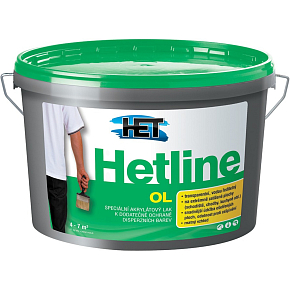
FavoriteCompareSpecial acrylic lacquer for additional protection of dispersion paints - recommended as a protective lacquer for painting coatings for perfect washability of surfaces, skirting boards, kitchens, etc.

Code:
2504336
17.15 EUR
2.29EUR/1kg
In stock
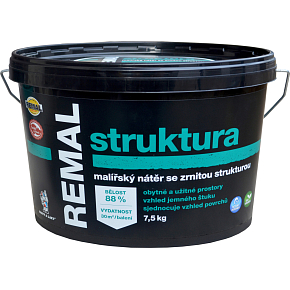
FavoriteCompareWater-based painter's paint with a grainy texture up to 0.5 mm. It is mainly used for imitating the appearance of plaster layers, for painting plaster, concrete, drywall, cement boards, particle boards, etc. in interiors.
Code:
2504798
18.91 EUR
4.73EUR/1kg
In stock
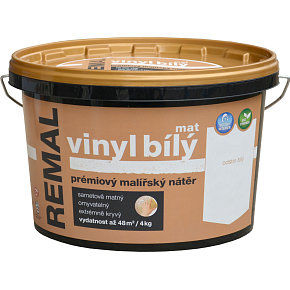
FavoriteComparePremium white paint with a velvety matte appearance, excellent coverage, and abrasion resistance. The surface is gently washable. The coating is designed for painting walls and ceilings indoors on plaster, drywall, and other substrates.
Code:
2503491
3.46 EUR
In stock
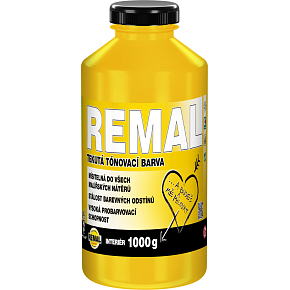
FavoriteCompareTinting color for coloring interior paints, selected shades, and for coloring acrylic and silicone facade paints for exteriors.
Code:
2601009
11.14 EUR
2.79EUR/1kg
In stock
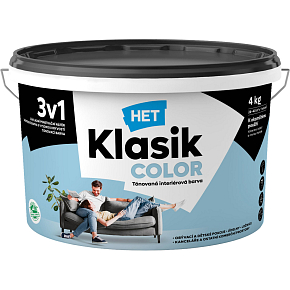
FavoriteCompareFor interior painting of walls and ceilings, strong covering ability and spreadability, matte appearance, resistance to wear when dry, excellent vapor permeability.
Code:
2502856
7.74 EUR
2.58EUR/1kg
In stock
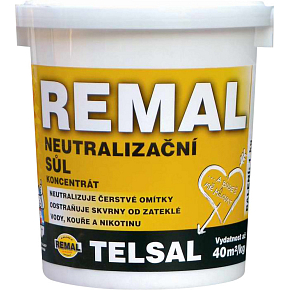
FavoriteCompareNeutralizing salt for wall stains. The agent is intended for the neutralization of fresh dried plaster against the efflorescence of water-soluble salts and lime from plasters and for the remediation of color stains from smoke, nicotine, and leaking water.
Code:
2503487
2.37 EUR
4.74EUR/1kg
In stock
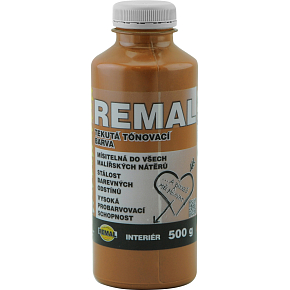
FavoriteCompareTinting paint for coloring interior paints, selected shades, and for coloring acrylic and silicone facade paints for exteriors.
Code:
2503493
5.27 EUR
In stock
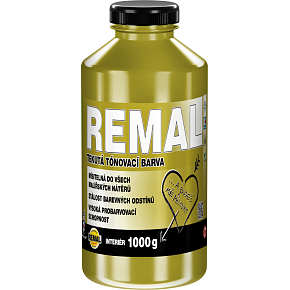
FavoriteCompareTinting color for tinting interior paints, selected shades as well as for tinting acrylic and silicone facade paints for exteriors.
AKCE
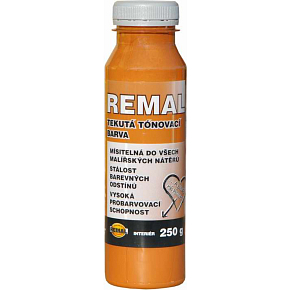
Code:
2500217
1.41 EUR
5.64EUR/1kg
In stock
FavoriteCompareTinting color for coloring painting colors for interiors, selected shades, and for coloring acrylic and silicone facade paints for exteriors.
Variants of this product
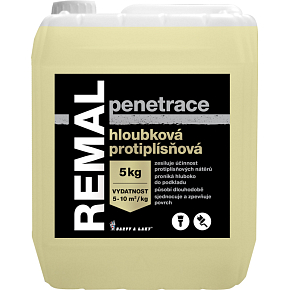
Code:
2505131
11.45 EUR
2.29EUR/1kg
In stock
FavoriteCompareMold-resistant penetration prevents the formation of mold due to active fungicidal ingredients. For deep strengthening of the substrate, unifying its absorbency, and increasing surface adhesion.
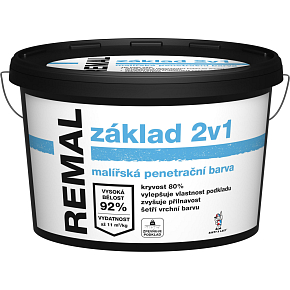
Code:
2507688
38.01 EUR
2.53EUR/1kg
In stock
FavoriteCompareIt is a water-based white interior paint that combines the parameters of penetration and base coat. It significantly reduces the consumption of the final coating, unifies the absorbency of the substrate, and increases its strength.
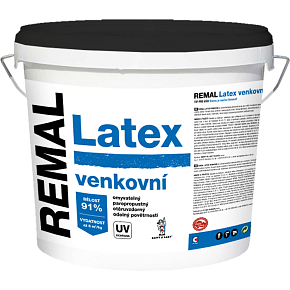
Code:
2503269
13.26 EUR
2.65EUR/1kg
In stock
FavoriteCompareFor interior and exterior coatings of building materials such as masonry, wood, chipboard, fiberboard, and paper. It is washable, has high whiteness, and provides good coverage.
AKCE
Code:
2505254
13.97 EUR
2.33EUR/1kg
In stock
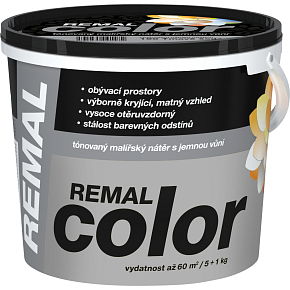
FavoriteCompareWater-dilutable toned paint with a pleasant scent in attractive shades.
AKCE
Code:
2506068
13.97 EUR
2.33EUR/1kg
In stock
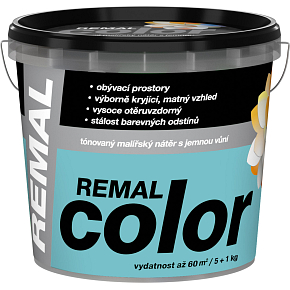
FavoriteCompareWater-soluble tinted paint with a pleasant scent in attractive shades.
Code:
2500588
2.05 EUR
2.05EUR/1kg
In stock
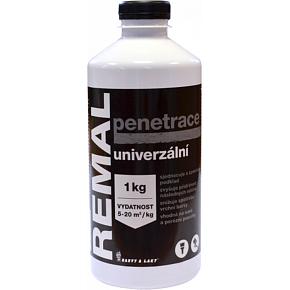
FavoriteCompareAs a basic penetrating primer for absorbent substrates (plasters, wood, etc.) to reduce absorbency while improving the adhesion of the top coat with Remal paint.
Code:
2503459
36.59 EUR
2.44EUR/1kg
In stock
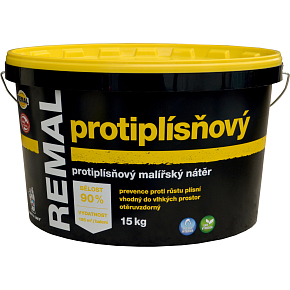
FavoriteCompareAntifungal breathable paint for interiors with an effect against the growth of molds such as Penicillium glaucum, Chaetomium globosum, Aspergillus niger, Alternaria tenuis, Aureobasidium pullulans, Scletophona pityophila.
AKCE
Code:
2600175
0.67 EUR
2.68EUR/1kg
In stock
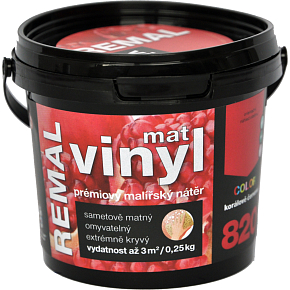
FavoriteCompareWashable wall paint with a velvety matte finish, excellent coverage, and abrasion resistance. Washable paint for painting walls and ceilings indoors on plaster, drywall, and other substrates.
AKCE
Code:
2503723
44.16 EUR
2.94EUR/1kg
In stock
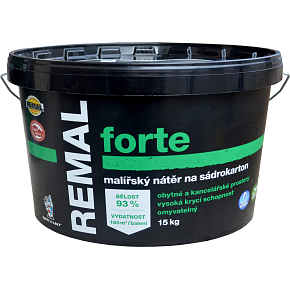
FavoriteCompareSpecial washable dispersion paint for coatings of drywall boards, which can also be used for coatings of plaster, concrete, cement boards, particle board, etc. in interiors. Provides excellent coverage, is breathable, washable, and has a high whiteness of 93%.
Code:
2500210
100%
6.79 EUR
1.7EUR/1kg
In stock
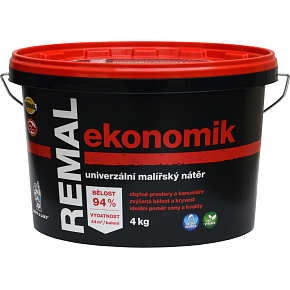
FavoriteCompareDispersion, velvet matte, whiteness 94%. Paint with optically improved whiteness, coverage, and high vapor permeability. Used for painting plasters, concrete, drywall, cement-bonded chipboard, particleboard, and renovation plasters indoors.
Code:
2503726
100%
2.44 EUR
1.63EUR/1kg
In stock
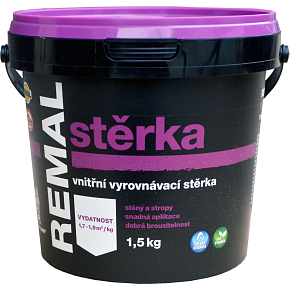
FavoriteCompareSanding white. Smoothing and decorative filler for indoor use. It is used for overall leveling of small unevenness on walls (plaster, masonry, drywall, etc.) in interiors.
Code:
2503706
14.11 EUR
1.88EUR/1kg
In stock
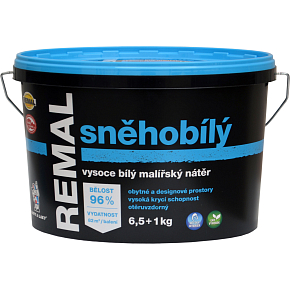
FavoriteCompareFor painting residential and design spaces. It is used for painting walls and ceilings indoors on plaster, drywall, and other substrates. It is easy to handle, health-safe, and environmentally friendly.
Recently visited products