/search_thin.svg)

/currency.svg)
/heart.svg)
/user.svg)
/cart.svg)

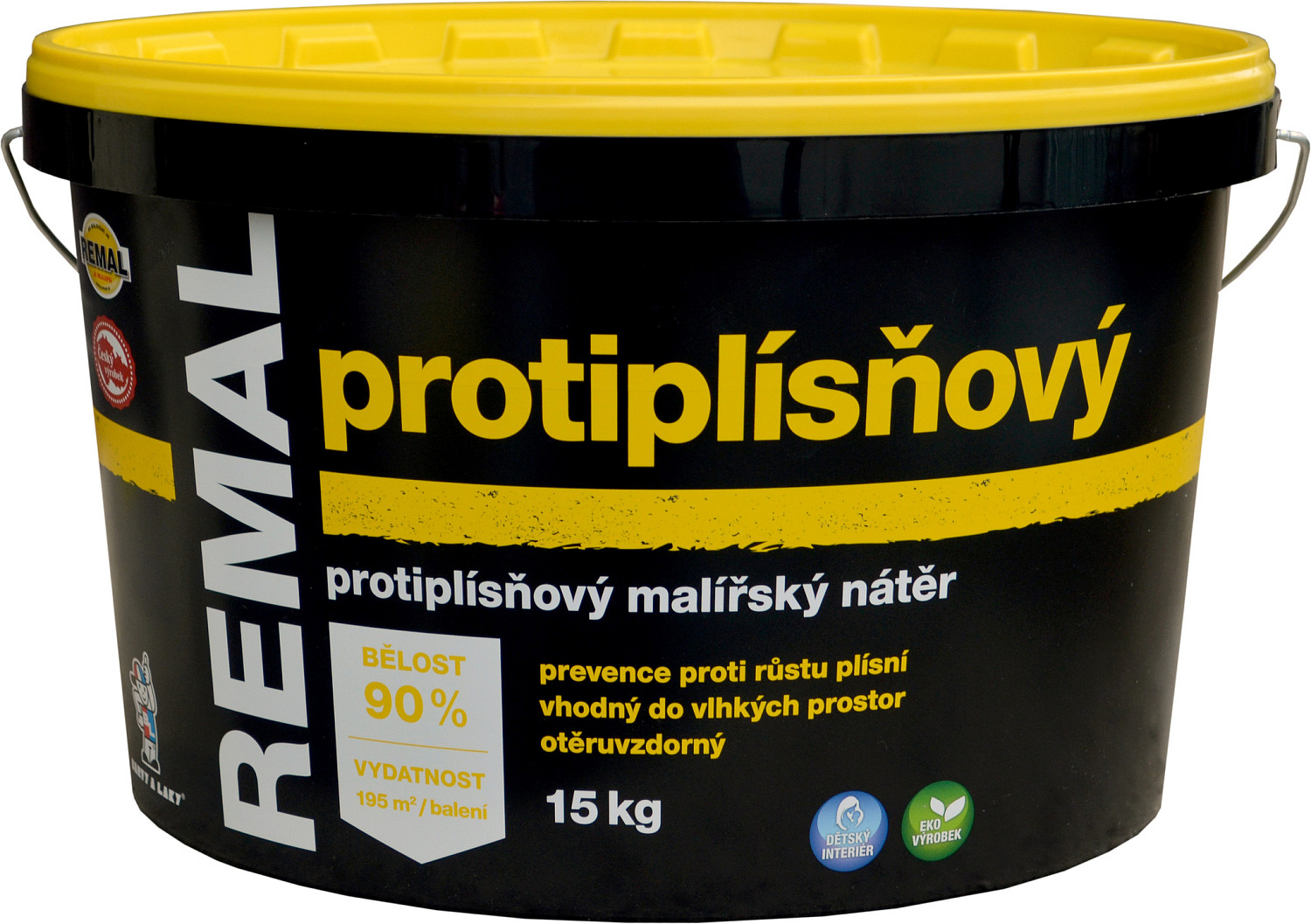
REMAL Antifungal paint against mold, 15 kg
Code: 2503459
Antifungal, vapor-permeable interior paint effective against the growth of molds such as Penicillium glaucum, Chaetomium globosum, Aspergilus niger, Alternaria tenuis, Aureobasidium pullutans, Scletophona pityophila.Read more
Choose a discounted package
Quantity discounts
/envelope.svg)
Query
/bell.svg)
Watch
/share.svg)
Share
PARAMETERS
Description REMAL Antifungal paint against mold, 15 kg
How to solve mold on the wall? The REMAL ANTI-MOLD paint is water-based antifungal paint for walls with a preventive effect against the growth of molds such as Penicillium glaucum, Chaetomium globosum, Aspergilus niger, Alternaria tenuis, Aureobasidium pullutans, Scletophona pityophila. The maximum preventive effectiveness of the antifungal paint is also achieved against fungi, yeasts, algae, and bacteria.
Antifungal wall paint REMAL covers excellently, is breathable, abrasion-resistant, and has a high whiteness of 90%. REMAL paint is used for antifungal coatings of plaster, concrete, drywall, and cement boards in interiors. The mold-resistant paint exhibits wet abrasion resistance - measured according to ČSN EN ISO 11998 - class 5. (classification according to EN 13300). Use antifungal paint safely.
Warning for mold-resistant paint:
Use biocidal products safely. Always read the labels and product information before use.
Properties of mold-resistant wall paint:
- solve mold on the wall
- antifungal paint against molds, fungi, yeasts, algae, and bacteria
- traditional Czech white wall paint REMAL
- prevention against mold growth
- suitable for humid areas
- highly breathable wall paint
- easy to work with
- wet abrasion resistance class 5
- coverage of up to 13 m²/1 kg in one coat
- tinting REMAL liquid tinting paint or REMAKOL
- whiteness 90%
- content of active ingredients in mold-resistant paint IPBC (ES 259-627-5) 3.3 g/kg of the product
Working procedure for REMAL paint:
Before painting, remove layers of old and non-adherent coatings. Treat areas affected by mold with REMAL Sanal restoration agent for masonry V1406 according to instructions. Treat absorbent substrates with REMAL universal primer, treat non-adhering and crumbling substrates with REMAL deep primer. This will rid the surface of dust, strengthen it, unify absorbency, and ensure adhesion of the coating. The drying time is 4 hours. For preventive antifungal effect, it is possible to use REMAL antifungal deep primer. Level out uneven spots on the wall with REMAL Filler. For problematic areas (leaked spots, etc.), it is advisable to use REMAL Isolation coat.
Dilute the mold-resistant paint in a ratio of max. 0.4 l of water to 1 kg of paint. Then mix the mold-resistant paint thoroughly. Apply with a brush, roller, or spraying in 2 coats, applying the next coat after the previous one has dried, at least after 4 hours. The optimal temperature for painting mold-resistant paint is 15 to 25 °C. The substrate and ambient temperature must not drop below 5 °C during application. Use products from the same batch for larger areas; mix different batches together before use.
You might find useful
covering materials, such as paper tape or covering foil, or sanding papers. Don’t forget brushes, rollers, applicators, and spatulas.
How often to paint?
It is generally recommended to repaint approximately every 4 to 5 years. However, if you have small children or pets in the family, for hygienic and aesthetic reasons, it is advisable to repaint approximately every 2 years.
Product safety warning (H-statements)
- EUH208: Contains (see hazardous substances). May cause an allergic reaction.
- H412: Harmful to aquatic organisms, with long-lasting effects.
Instructions for safe handling (P-statements)
- P273: Avoid release into the environment.
- P501: Dispose of contents/container according to product instructions.
Documents
Certifikát výrobku
/document.svg)
Prohlášení o shodě
Related products

Code:
2503450
31.99 EUR
1.78EUR/1kg
In stock
/heart.svg) Favorite
Favorite/compare.svg) Compare
CompareFor coating residential and design areas. Used for painting walls and ceilings indoors on plaster, drywall, and other substrates. It is easy to process, health-safe, and environmentally friendly.
AKCE
Code:
2500221
1.23 EUR
4.92EUR/1kg
In stock
FavoriteCompareToning color for tinting paints for interiors, selected shades, and for tinting acrylic and silicone facade paints for exteriors.
AKCE
Code:
2500224
1.69 EUR
6.76EUR/1kg
In stock
FavoriteCompareTinting color for coloring interior paints, selected shades, and for tinting acrylic and silicone facade paints for exteriors.
Code:
2503268
2.95 EUR
3.69EUR/1kg
In stock
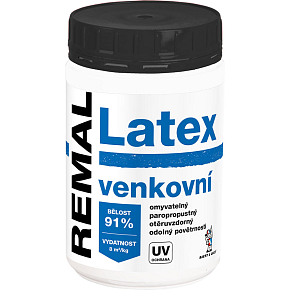
FavoriteCompareFor interior and exterior coatings of building materials such as brick, wood, particle boards, and fiberboards, as well as paper. It is washable, with high whiteness and good coverage.
Code:
2504605
14.75 EUR
3.69EUR/1kg
In stock
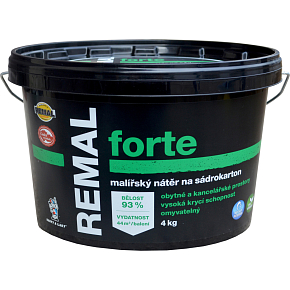
FavoriteCompareSpecial washable dispersion paint for coating drywall panels, which can also be used for coating plaster, concrete, cetris boards, particle board, etc., in interiors. Provides excellent coverage, is breathable, washable, and has a high whiteness of 93%.
AKCE
Code:
2504773
17.56 EUR
5.49EUR/1kg
In stock
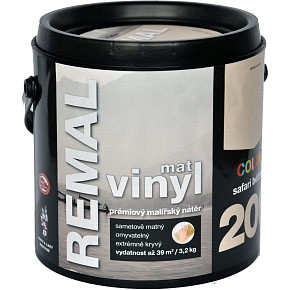
FavoriteCompareWashable wall paint with a velvet matte finish, excellent coverage, and abrasion resistance. Washable paint for painting walls and ceilings indoors on plaster, drywall, and other substrates.
Code:
2503269
13.20 EUR
2.64EUR/1kg
In stock
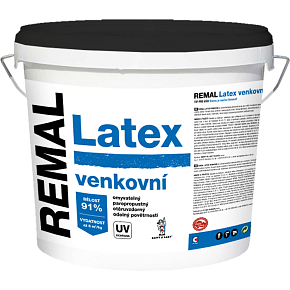
FavoriteCompareFor indoor and outdoor coatings of building materials such as masonry, wood, particleboard, and fiberboard, and paper. It is washable, with high whiteness and good coverage.
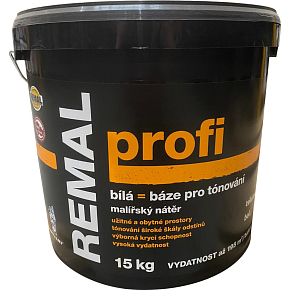
Code:
2505097
45.92 EUR
3.06EUR/1kg
In stock
FavoriteCompareIt excellently covers, is breathable, abrasion-resistant, and has a high whiteness of 91%. It is used for painting plasters, concrete, gypsum board, cetris boards, particle board, and renovation plasters indoors. Suitable paint for gypsum board.
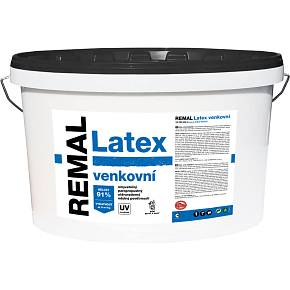
Code:
2503215
25.52 EUR
2.55EUR/1kg
In stock
FavoriteCompareFor indoor and outdoor painting of building materials such as masonry, wood, chipboard, and fiberboard, and paper. It is washable, has high whiteness, and provides good coverage.
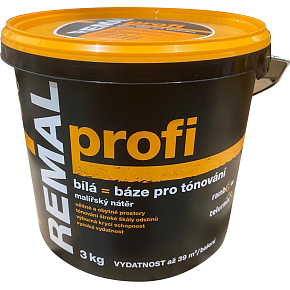
Code:
2504396
9.72 EUR
3.24EUR/1kg
In stock
FavoriteCompareIt covers excellently, is breathable, wash-resistant, and has a high whiteness of 91%. It is used for painting plasters, concrete, drywall, cement boards, particle board, and renovation plasters in interiors. A suitable color for drywall.
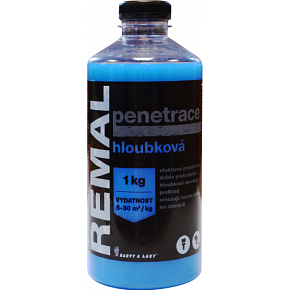
Code:
2504662
2.67 EUR
In stock
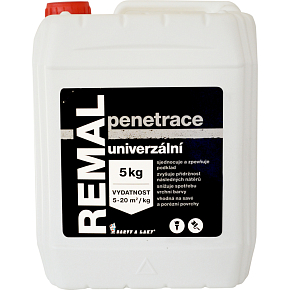
FavoriteCompareDeep penetration for unifying the substrate and its absorbency before coatings for interior plasters or facades, tiling and paving, leveling floors with self-leveling compounds, local repairs of underlying concretes, etc.
Code:
2503261
7.81 EUR
1.56EUR/1kg
In stock
FavoriteCompareAs a basic primer for absorbent substrates (plasters, wood, etc.) to reduce absorbency while improving adhesion of the top coat with Remal paint.
Variants of this product
Code:
2503296
6.41 EUR
7.12EUR/1kg
In stock
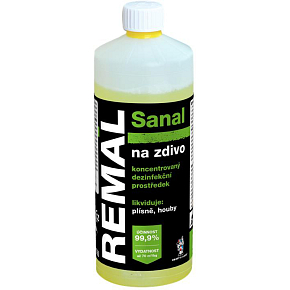
FavoriteCompareProduct against mold on walls - concentrate for disinfection and preventive protection of masonry, plasters, stone, concrete, and other building materials against mold and fungi.
Code:
2500849
100%
12.14 EUR
3.04EUR/1kg
In stock
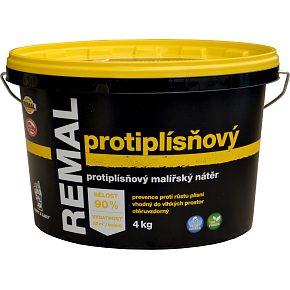
FavoriteCompareFungicidal breathable paint for interiors with an effect against the growth of molds such as Penicillium glaucum, Chaetomium globosum, Aspergillus niger, Alternaria tenuis, Aureobasidium pullulans, Scletophoma pityophila.
Code:
2508534
59.45 EUR
2.38EUR/1kg
In stock
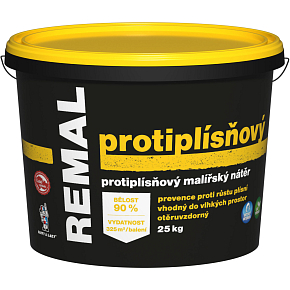
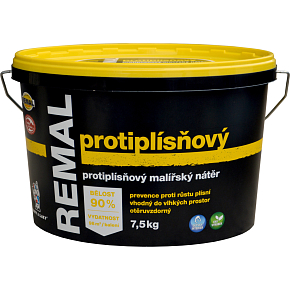
FavoriteCompareAntifungal breathable paint for interiors with an effect against the growth of molds such as Penicillium glaucum, Chaetomium globosum, Aspergillus niger, Alternaria tenuis, Aureobasidium pullulans, Sclerophoma pityophila.
Code:
2501210
19.67 EUR
2.62EUR/1kg
In stock
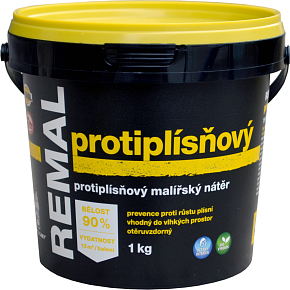
FavoriteCompareAnti-mold breathable interior paint with an effect against mold growth, e.g. Penicillium glaucum, Chaetomium globosum, Aspergilus niger, Alternaria tenuis, Aureobasidium pullutans, Scletophona pityophila.
Code:
2500848
3.80 EUR
3.8EUR/1kg
In stock
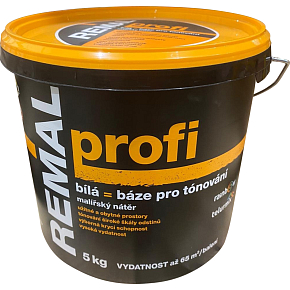
FavoriteCompareAnti-mold paint breathable for interiors with an effect against the growth of molds such as Penicillium glaucum, Chaetomium globosum, Aspergilus niger, Alternaria tenuis, Aureobasidium pullutans, Scletophona pityophila.
Code:
2503645
15.75 EUR
3.15EUR/1kg
In stock
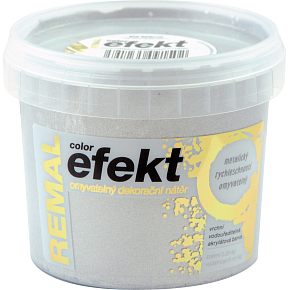
FavoriteCompareCovers excellently, is breathable, abrasion-resistant, and has a high whiteness of 91%. It is used for painting plasters, concrete, plasterboard, cement board, chipboard, and renovation plasters in interiors. Suitable paint for plasterboard.
Code:
2505259
4.40 EUR
17.6EUR/1kg
In stock
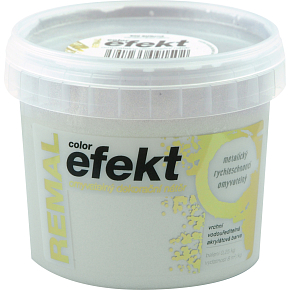
FavoriteCompareDecorative paint with a metallic and pearlescent appearance for decorating modern designs using various painting techniques, e.g., brush or roller painting, spraying, sponging with a sponge, and using painter’s stencils.
Code:
2506078
4.40 EUR
17.6EUR/1kg
In stock
FavoriteCompareDecorative paint with a metallic and pearlescent appearance for decorating modern designs using various painting techniques such as brush painting or rolling, spraying, stippling with a sponge, and using painting stencils.
Code:
2505131
11.40 EUR
2.28EUR/1kg
In stock
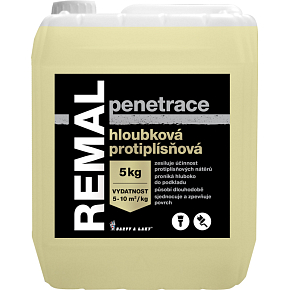
FavoriteCompareFungicidal penetration proactively limits mold formation thanks to active fungicidal components. For deep reinforcement of the substrate, unifying its absorbency, and increasing surface adhesion.
Code:
2503500
31.09 EUR
3.11EUR/1kg
In stock
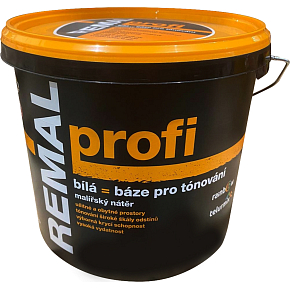
FavoriteCompareCovers excellently, is breathable, abrasion-resistant, and has a high whiteness of 91%. It is used for painting plasters, concrete, gypsum board, cetris boards, particle boards, and renovation plasters in interiors. Suitable paint for gypsum board.
Code:
2505263
4.40 EUR
17.6EUR/1kg
In stock
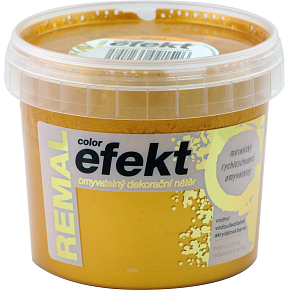
FavoriteCompareDecorative painting color with a metallic and pearlescent appearance for modern design decorations using various painting techniques such as brush or roller painting, spraying, stippling with a sponge, and using painting stencils.
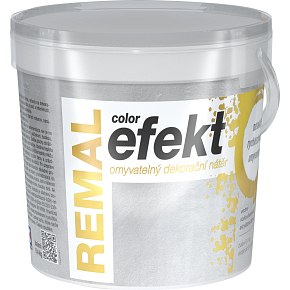
Code:
2506077
7.11 EUR
17.78EUR/1kg
In stock
FavoriteCompareDecorative painting color with a metallic and pearlescent appearance for modern design decoration using various painting techniques such as brush or roller painting, spraying, stippling with a sponge, and using painting stencils.
Recently visited products